Journalism of Courage
 5 min read



Last week I had the choice of attending the World Economic Forum8217;s India Summit in New Delhi or going off to look at the election in Rajasthan. Uncertain about what to do, I went to the Taj Palace Hotel, registered for the summit, picked up my black bag heavy with schedules and participant lists and resolved to come back the next day to hear the experts and economists who had gathered from far and near.
Then a sense of unreality came over me. I looked at the billionaires, ex-billionaires, economists, academics and journalists buzzing around importantly, recognised many from summits past and wondered if this year again they would tell us that India was on the verge of becoming an economic superpower. The Finance Minister pronounced a day later that the 8216;fundamentals8217; of the Indian economy were good but I was gone by then on my travels.
I travelled around rural Rajasthan by road and then a television interview took me to Hyderabad. Let me tell you about the things I saw and leave it to you to judge if the 8216;fundamentals8217; of our economy are strong enough to withstand the worst economic crisis the world has seen in a hundred years. Let us begin with that most fundamental requirement for economic growth: infrastructure. In this I include not just bijli, sadak and pani but social sector infrastructure like schools, hospitals and effective delivery of public services.
When I drove off the national highway in search of villagers to talk to, I found myself on roads so bad they brought back memories of those bad old days when we were socialist and when our political leaders did not build roads because they thought they were meant only for those who could afford cars. The poor needed trains and public transport, they said, and they did not build enough of these either because we were 8216;a poor country8217;. They did not build enough schools, hospitals or housing for the poor for the same reason.
Urban planning was considered among the luxuries we could not afford, so when you drive around India it is always a shock to see the horrendous state of our small towns. The first thing you notice is rotting garbage with cows, pigs, stray dogs and barefoot children scrabbling about in it. A sight I have not got used to no matter how often I see it. The second thing that strikes you about rural areas is that there is not a single public building with aesthetic appeal or architectural beauty. Even the temples and mosques are ugly. The old ones disappeared long ago along with lovely old Dak Bungalows and Circuit Houses.
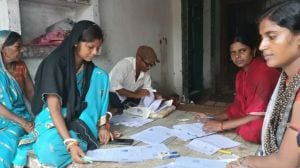
I stopped in village bazaars to talk to ordinary rural people. With the abandoned summit still on my mind I asked in the first village if they had heard about the international financial crisis. They said they had read about it in the newspapers and heard something of it on television. They had dish TV in the village and cell phones and more electricity than they ever had before but hospitals and schools were as bad as ever, as was official apathy. Corruption was a big issue and the biggest problem wherever I travelled was unemployment. There are no jobs in the villages and when they try and find jobs in the new industrial estates they find it hard. They did not know that by next year unemployment will increase.
To Hyderabad I returned after some years and was stunned to see the new airport. It is as good as any small airport I have seen anywhere in the world but it seems not to belong to the city. Hyderabad, with its beautiful mosques and elegant palaces, was once counted among India8217;s most beautiful cities. Today it is a chaotic, crowded slum of a city with crippling traffic and polluted air. New malls made of glass and steel sprout here and there as do shiny, new apartment buildings and office blocks but like the airport they seem not to belong in the decaying ruins of old Hyderabad. Like Bangalore, this is one of our boom cities so imagine what lesser towns look like.
When I returned to Delhi on a cold and foggy evening last week, I felt a deep sense of gloom, which heightened as I read the issues that our political leaders are raising to win the next elections. If they have noticed that the world is facing a severe economic downturn that will hit India badly in the coming months, they hide it well. They trade charges about price rise and communalism and secularism much as they have always done. It8217;s business as usual as far as our political leaders are concerned and that is seriously bad news.