Journalism of Courage
 2 min read


After over three months of economic blockade,Manipur is in a state of emergency: its running out of fuel,essentials are selling at exorbitant rates and medicines are going out of stock. The Manipur government spokesperson,N. Biren Singh,has said that all petrol pumps but one have gone dry,and the last one would be supplying fuel only to school buses and vans. This is the punishing extent of the Manipur impasse. On Sunday night,the 72-hour bandh called by the United Naga Council came to an end,but not the counter-blockade. Earlier last week,the Sadar Hills District Demand Committee had ended the blockade of two national highways.
For a state that has been wracked by blockades and bandhs,this is a brief reprieve,a simulation of normality,a tiny window of opportunity that should be exploited by the state and Union governments to initiate dialogue. The Kukis want the Sadar Hills Area,where they are a majority,to be made a district,and blockaded NH 39 and NH 53 to press their demand. The Nagas,objecting to a carving up of the Senapati district where they are the majority and seeing in this a ploy to divide and rule,began a counter-blockade.
Blockades have been a favourite means of protest in Manipur,dependent on the highways for its supplies. But this time,like last year when a months-long blockade ensued after T. Muivah of the NSCN I-M was denied entry,it also brought into sharp relief the governments abdication of responsibility. Chief Minister Ibobi Singh has said a diversionary route from Assam will be opened. That too little,too late is only part of the resolution. The government,at the Centre and in the state,have to demonstrate a will to govern,something they have failed to do all this while.

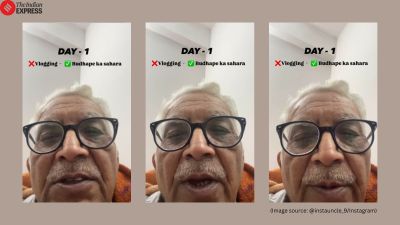
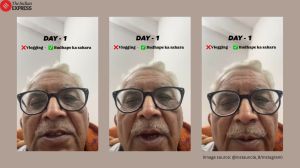
Age, as they say, should never stand in the way of new beginnings. A 70-year-old man from Uttar Pradesh has turned that belief into a living example, and his story has struck a chord online, with the internet cheering him on. At a stage of life when many choose to slow down, Vinod Kumar Sharma chose to pick up a smartphone and press record.