Journalism of Courage
 2 min read


If the episode over the elevation of Karnataka high court Chief Justice P.D. Dinakaran is an indictment of our opaque selection and lengthy impeachment processes,heres another one. Lalit Kumar Mishra,once additional judge of the Orissa high court,became the first judge in Orissas history to be demoted to district judge. The allegations against Mishra are that he rigged the selection of judicial candidates. The Orissa high court chief justice conducted an inquiry and found him guilty. Mishras appointment was subsequently not confirmed,and he is now district judge in Kalahandi.
The demotion raises two questions. If a judge is considered ineligible for a high court,what on earth is he doing as a district court judge? Is there a different standard of probity for different courts?
Alternatively,what confidence would litigants appearing before district judge Mishra have,knowing that he has been pronounced guilty by a superior court? The other question,one that Mishras supporters raise,is the nature of the probe against Mishra. The inquiry was closed-door,hardly the kind of trial our judiciary would be proud of. Since he has been so publicly judged,should not he be given a chance to publicly defend himself? After all,thats a right all those accused in the Indian judicial system are guaranteed.
Either way,the larger question is of judicial accountability. Since Mishra was only an additional judge,it was possible to transfer him. Had he been a confirmed high court judge,disciplining him would have involved a never-done-before impeachment. This is why many HC judges are sometimes transferred to high courts elsewhere begging the same question that residents of Kalahandi must ask: are they to receive lower quality justice? As the government mulls a new Judges Standards and Accountability Bill,these are some questions for the state and the courts to jointly consider.

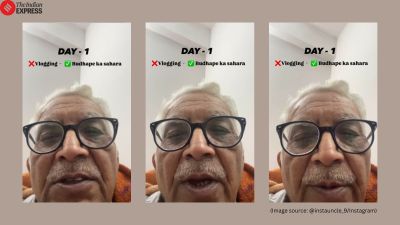
Age, as they say, should never stand in the way of new beginnings. A 70-year-old man from Uttar Pradesh has turned that belief into a living example, and his story has struck a chord online, with the internet cheering him on. At a stage of life when many choose to slow down, Vinod Kumar Sharma chose to pick up a smartphone and press record.