Journalism of Courage
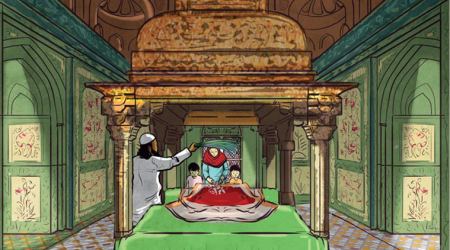
History and travel are two great teachers. History tells us about who we are and where we come from. It teaches us lessons and inspires us. And what could be a better way to learn about our heritage than travelling to these wonderful monuments? It’s so much more interesting for children to be able to see, smell and get a sense of a place by visiting it, rather than just reading about it. It’s fun and learning happens only when children are having fun.
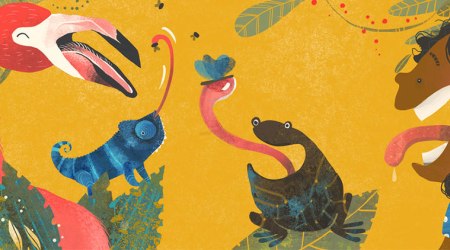
A chameleon’s tongue darts out with lightning speed to grab that grasshopper before it leaps away. Blue Whale, the largest animal on Earth, has the heaviest tongue that helps trap tiny krill that it loves to eat. A flamingo’s hairy tongue helps filter blue-green algae and shrimps that are its favourite food.
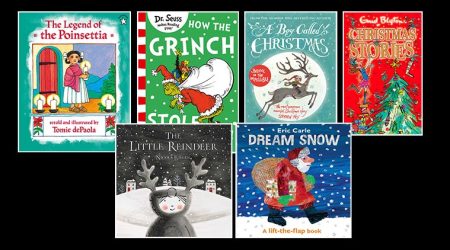
Christmas 2018: With illustrations to complement the lyrics to a classic carol, festive artwork and jolly characters, this book brilliantly captures all the merriment of the popular Yuletide tune. The book offers a fine blend of the classic and contemporary and is a perfect read for the modern reader.
Many parents believe that Maths abilities are transferred from parents to their children. They believe if a parent was good at the subject, then the child would definitely turn out good at it as well. We know from research that Math skills are not genetically transferred. It is a skill.
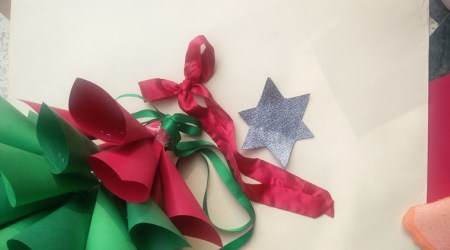
Christmas 2018: The festive season is the perfect time for some do-it-yourself fun with the kids, who love cutting paper and using glue to create magical shapes. Get creative making stars, ornaments to decorate the tree. Children will get a sense of pride and achievement seeing the handmade decorations on the festive tree. Here, we show how you can make a paper tree and decorations.
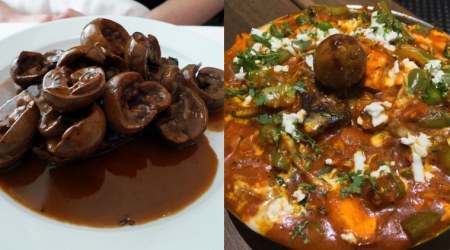
The famous British author Aldous Huxley was stunned by the sheer amount of food that the British were able to pack away. He said, "Five meals a day - two breakfasts, luncheon, afternoon tea and dinner - are standard throughout India. A sixth is often added in the big towns where there are theatres and dances to justify a late supper."
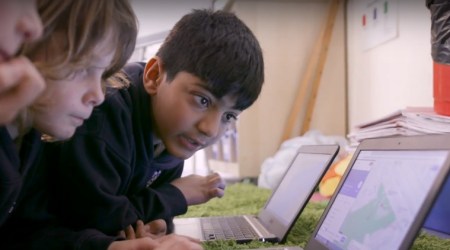
These tours enable cultural exchange between students across the world, who ask questions and identify one another through their respective traditions, music, dance, and art and craft, informed Kumar. Some of the collaborations have also addressed issues like the United Nations' sustainability goals, migration and racism.
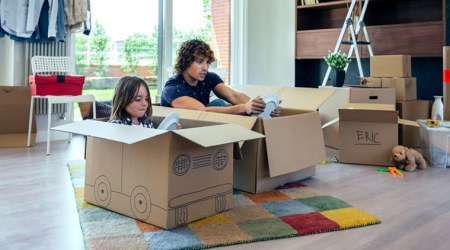
Through play, children can develop motor skills, social skills and express their desires. By observing a child play, therapists can make an assessment of their developmental difficulties.
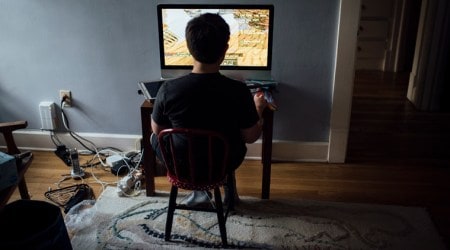
The adolescent brain continually changes, or “rewires” itself, in response to daily experience and that adaptation continues into the early to mid-20s. What scientists want to learn is whether screen time, at some threshold, causes any measurable differences in adolescent brain structure or function, and whether those differences are meaningful.
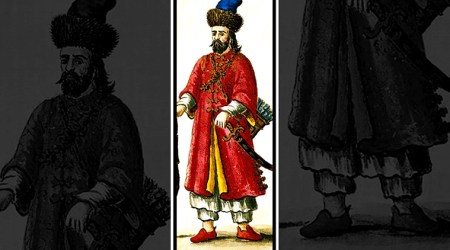
"The nobles and great folks have their beds made of very light canework, and when they have got in and are going to sleep, they are drawn up by cords nearly to the ceiling and fixed there for the night."

Letter-writing teaches children the importance of delayed gratification. The fact that the journey and not just the destination needs to be enjoyed, is brought to life as the child waits for that envelope in the letter box.
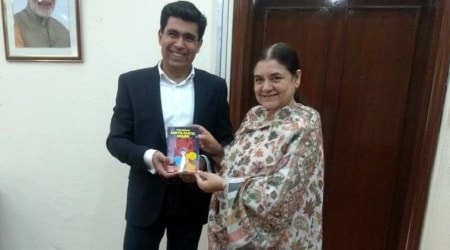
"This science fiction / humour series for children aged 8 - 12 unfolds the incredible adventures of Ziptux and Dibbly," Gandhi mentioned on social media.
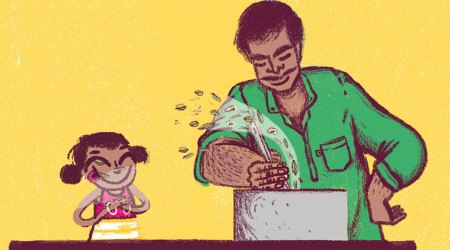
While Mira’s father goes to the market to buy raisins, the kheer he was cooking disappears. Who ate up the kheer while he was away?
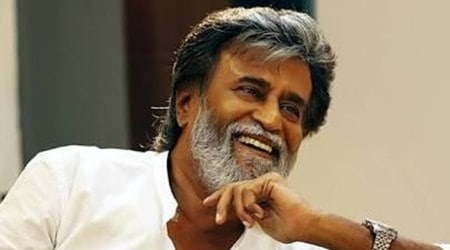
The actor began his career with a Tamil film Apoorva Raagangal (1975). The film went on to win three national awards.

One might wonder how one can get a child to become a great communicator. The answer is actually rather simple. Expose students to good writing and to people who speak well.
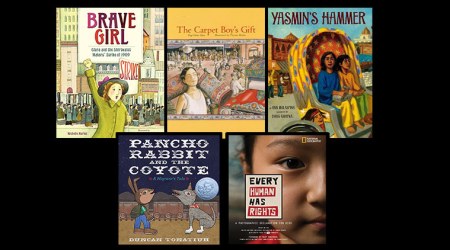
Teach your kids about basic human rights, from education to equality, and the stalwarts through these interesting and easy-to-read books.
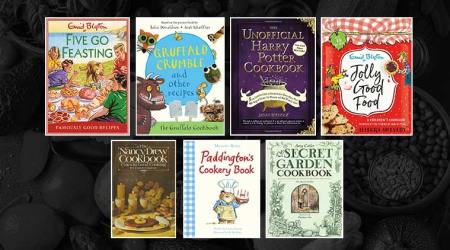
These cookbooks will encourage children and adults alike to try new dishes.
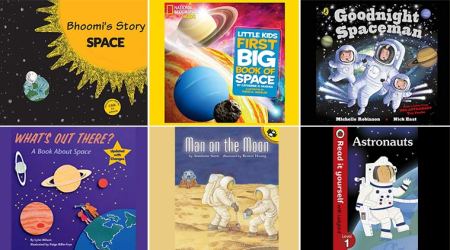
If your child has been asking questions about space, they are sure to enjoy these books.
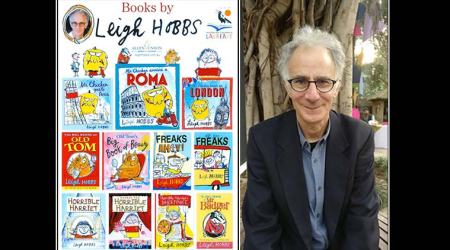
"I have a feeling that Mr Chicken may be visiting India. He wants to move into the Taj Mahal, I believe. Well, according to some drawings sent to me in Australia from an Indian boy".
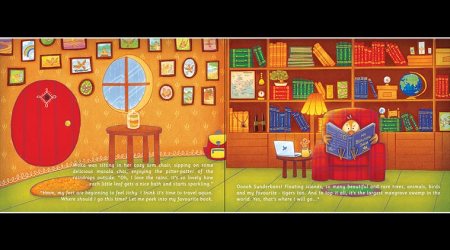
If we look at the entire population, an average child under eight in the UK has six books outside of his/her school books. In India, understandably because of poverty, illiteracy etc, the figure would be lower. But can you believe it is less than one book per 100 children? We have a long way to go.
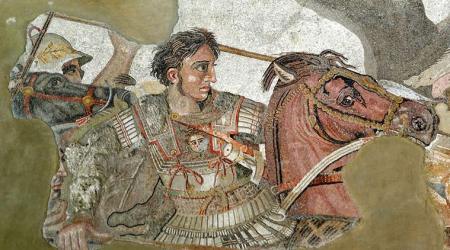
In yet another colourful encounter, 10 gymnosophists (the Greek word for Jains!) were captured and brought to Taxila. Since they had a reputation for cleverness and wit, Alexander thought to play a game with them. He declared that he would ask each of them a question, and put to death the one who had the worst answer.
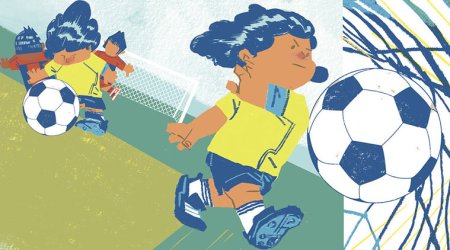
It’s the day of the Famous Football Cup and poor Divya has the sniffles! Will she be able to play? Read this story to find out what happens to Divya, and also learn about how best to avoid the sniffles.
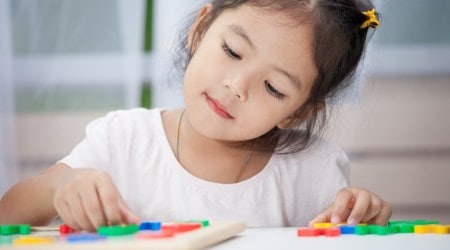
The pediatricians' group recommends no screen time for children up to age 2, and says total screen time including TV and computer use should be less than one hour daily for ages 2 and older.
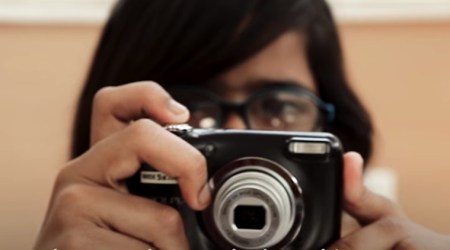
Learning photography has made these visually impaired children more confident at an early age. Express Parenting met fashion photographer Richa Maheshwari, who is helping these kids express their love for photography, fuelled by the desire to be seen on social media.
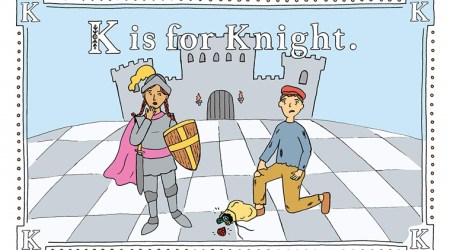
The book P for Pterodactyl contains several alliterative sentences, such as: “The noble knight’s knife nicked the knave’s knee” and “Shhh! The fascinating czar is secretly part Czech.”