Journalism of Courage
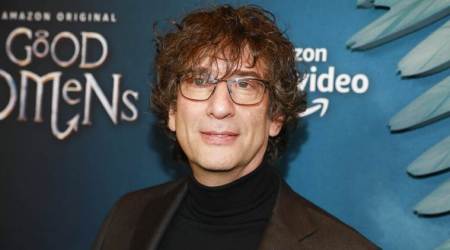
In The Sandman, Neil Gaiman presents a scenario where places and people have been affected by Morpheus, the Dream King, as he tries to make amends for the many human mistakes committed by him.
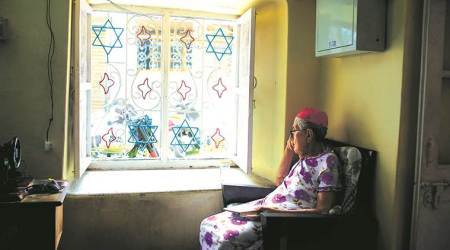
Chronicled by scholar and historian KS Mathew and creative director and writer Yamini Nair, the anecdotes come together through “handwritten song diaries, memoirs, kosher recipes, Hebrew plays and synagogue rituals”.

A firm believer that the only way forward is by addressing the past and to attempt to heal oneself, Saklani feels that otherwise the trauma subconsciously begins to affect the person, making it difficult to lead a “normal” life.
More than 150 years ago, Gijubhai Badheka wrote more than 200 books in his 15-year-long career as an educationist.

A fairly ordinary prose about a not-so-ordinary life, it feeds off an assortment of experiences, loiters off into poetic tangents and drops epiphanies as truth bombs.

Set in the Andaman Islands in the decade prior to India’s freedom in 1947, it is the story of bleak and blighted lives caught in the vortex of history. It is also the story of wanton and gratuitous wartime cruelties.
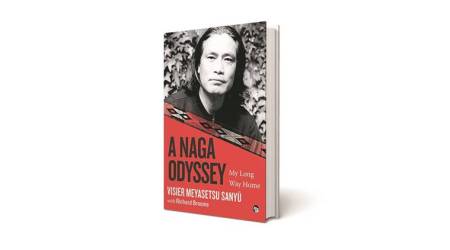
The journey of a Naga man, from violent displacement from his land to the stance of forgiveness, is a political fable for our times
Two ambitious, engaging anthologies that navigate the best that Indian science fiction has to offer

The book promises to be an engaging and riveting read where the author will shed light on his life, hid intriguing and compelling journey so far along with anecdotes and behind-the-scene details.
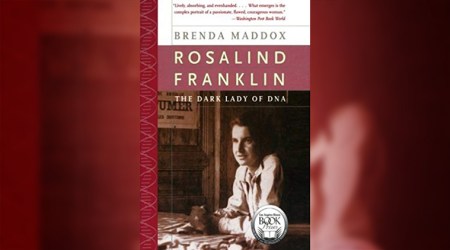
Brenda Maddox an overlooked DNA researcher, died June 16 at her home in London. She was 87.
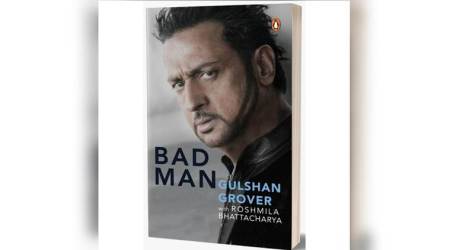
Gulshan Grover. Grover, who has completed 30 years in Bollywood, has been the face of the antagonist and is also widely known as the 'Bad man'. It is not incidental then that an upcoming biography on the actor shares this title.
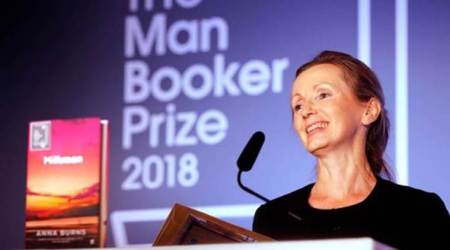
Anna Burns’ Milkman, winner of the Man Booker Prize in 2018, has won the prize for political fiction, while Patrick Radden Keefe has won the prize for political writing for Say Nothing.

Iris Murdoch was a staunch feminist, and a pioneer in putting complex and believable gay and lesbian characters into novels. But she also wrote six novels from the point of view of male characters (these are, in fact, some of her very best) and none from a woman’s first-person perspective.
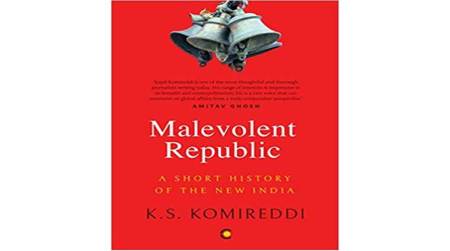
In its first part, Malevolent Republic asks a difficult question? Can dynastism and authoritarianism be traced to the times when the country was at its democratic best? Komireddi does not absolve India’s first prime minister, Jawaharlal Nehru in this respect.
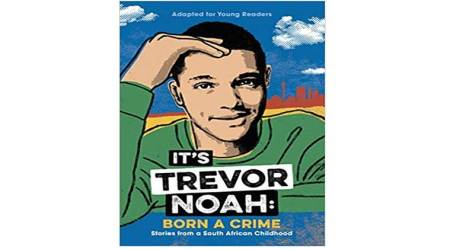
Books, though, have done their bit to fill that void and the memoir by the host of the American television show, The Daily Show, had been a good addition to the genre.
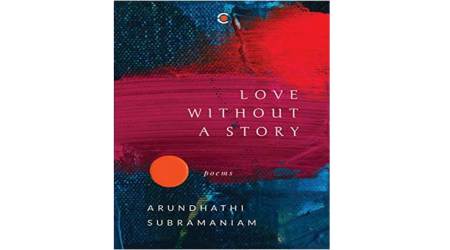
The language and imagery in Subramaniam’s volume fairly sizzles.
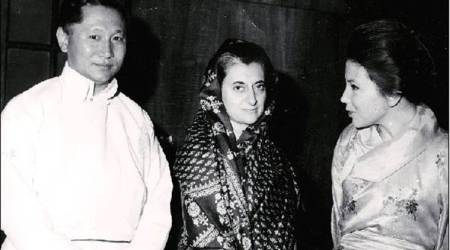
Jawaharlal Nehru granted special status to Sikkim in 1947, overriding Vallabhbhai Patel and BN Rau, who equated Sikkim with other members of the Chamber of Princes.
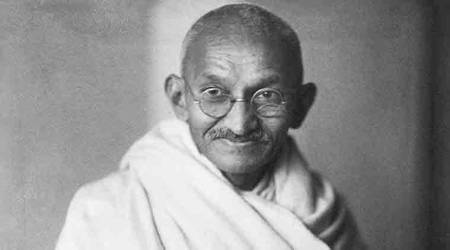
Printed in 1927, the two volumes of Gandhi's autobiography will come in their original binding of green cloth boards with black lettering on the spine and front panel.
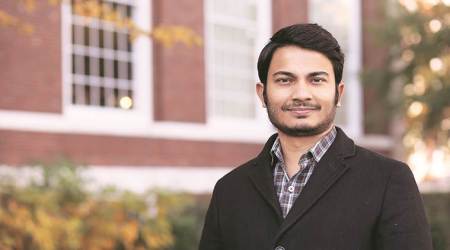
Chinmay Tumbe on migration trends in India and how marriage plays a role in it
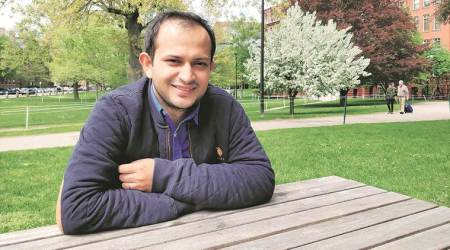
His short story collection Diwali in Muzaffarnagar that won the Sahitya Akedemi award explores what it means to leave a small town as a young adult, and to return home much later.
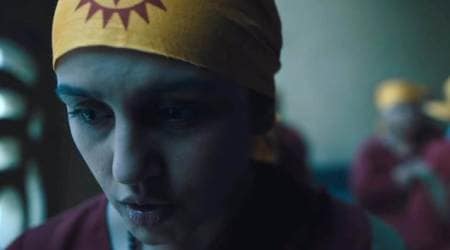
Prayaag Akbar's novel Leila has been recently adapted into a Netflix series, with Huma Qureshi at the helm. In case you are planning to binge watch it, here are some other Indian dystopian novels you can read.
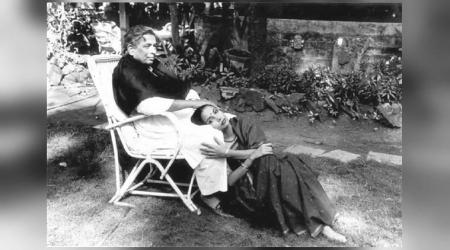
Kaifi Azmi’s writings on love and rebellion continue to bedazzle.
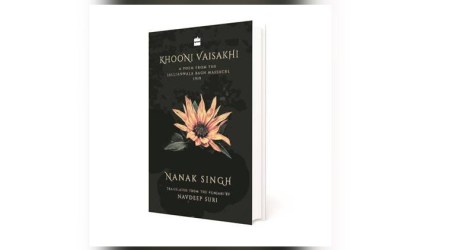
A direct account of the Jallianwala Bagh massacre in the poetry of Nanak Singh.
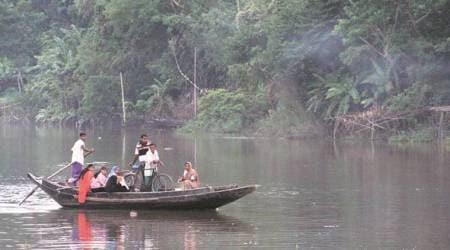
Amitav Ghosh’s novel sails into troubled waters. The voyage is action-packed but disappointing.
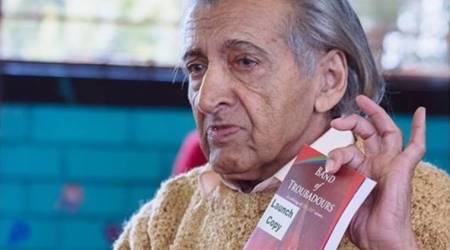
Ahmed Essop, renowned author and educationist of Indian-origin has died in South Africa, a close family friend said. He was 88.