3 min read
© IE Online Media Services Pvt Ltd



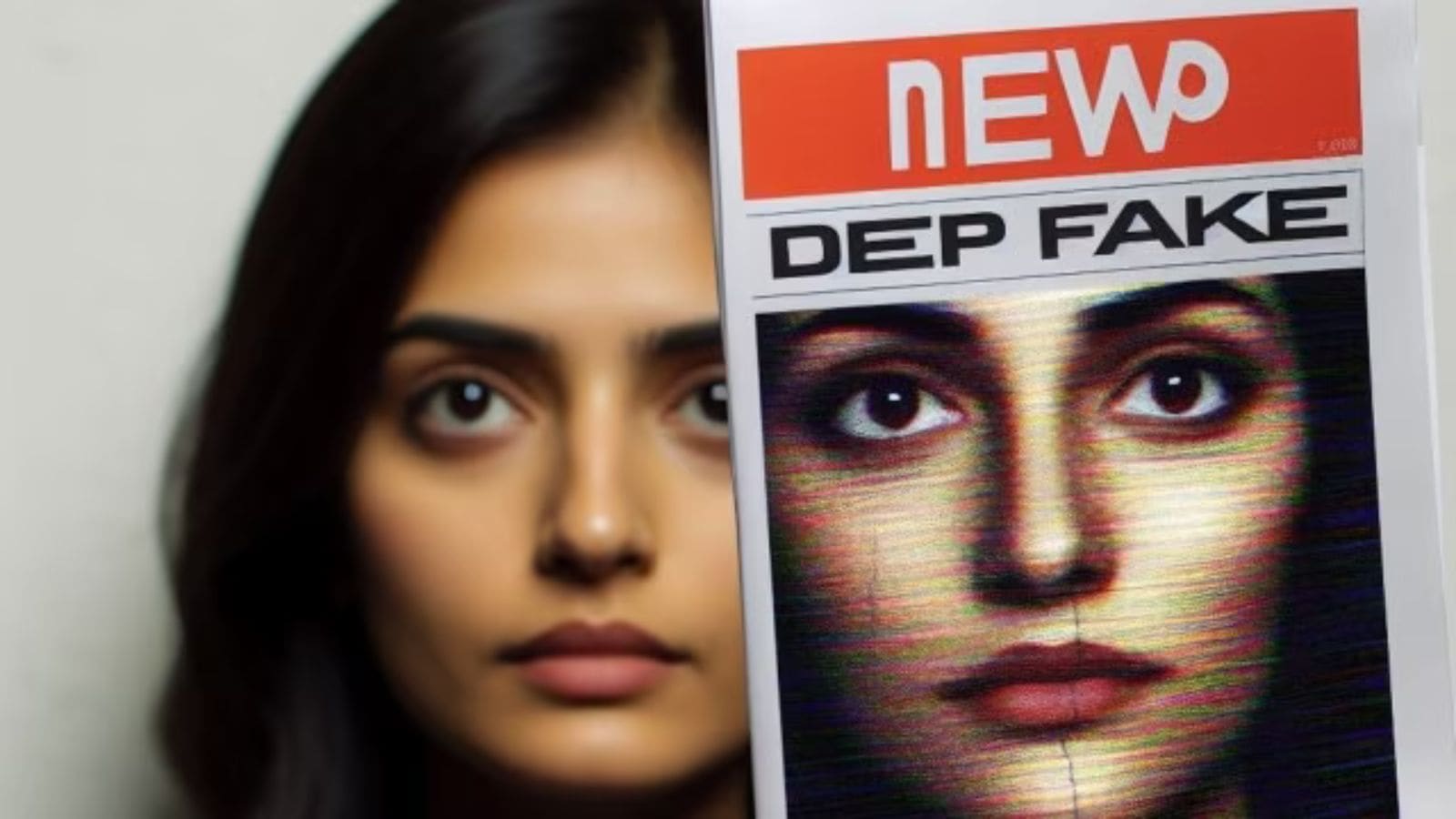 Non-consensual explicit deepfakes of several celebrities have made rounds on the internet in the last few months. (AI Generated)
Google, the world’s most popular search engine is rolling out some new online safety features that make it easy to remove non-consensual explicit deepfakes from search results and also prevent them from appearing high up in the search results. The problem of non-consensual explicit deepfakes come to light earlier this year when explicit images depicting Taylor Swift flooded social media platforms were reshared millions of times.
In a blog post, Google said that the new Search algorithm update was developed based on feedback from experts and victims and that the company has devised a new method to make the process easier and address the issue at scale.
Now, if someone requests Google to remove their non-consensual explicit deepfakes, the company’s system will also crackdown and try to filter all explicit results on similar searches about them in addition to removing any duplicates of the images they find.
The tech giant says these type of protections have proven to be effective in addressing other forms of non-consensual imagery and that these “efforts are designed to give people added peace of mind, especially if they’re concerned about similar content about them popping up in the future.”
For deepfakes that often rank higher, the search giant is also rolling out a ranking update that aims to crackdown on explicit fake content for search queries that are specifically seeking this type of content. The company claims that the last few updates to Search “have reduced exposure to explicit image results on these types of queries by over 70 per cent.”
When it comes to websites that have been flagged by users to display explicit fake content, the search giant says it is demoting sites that have received a high volume of removals for fake explicit imagery.
This is not the first time Google is cracking down on explicit deepfakes. Earlier this year in May, Google banned advertisers from promoting deepfake porn services. In August 2023, the company had started blurring sexually-explicit images from search results by default.
To combat explicit deepfakes, lawmakers in the United States recently introduced the COPIED act, a bill that would require online platforms to let users tag such synthetic content with information about its origin