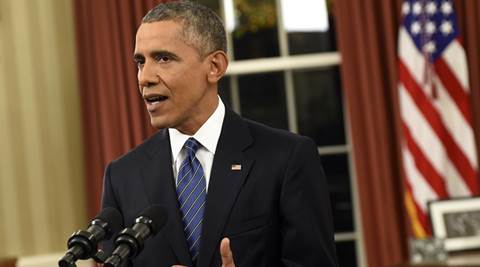


After an attack in San Bernardino, California, in which the two perpetrators, thought to have been inspired by the Islamic State (IS), shot and killed 14 people with legally purchased semi-automatic rifles, the responses of the current US president and a prominent Republican contender for his job could not have been more different. A weary Barack Obama counselled Americans to reject the corrosive rhetoric some of his political peers have employed, warning against “letting this fight be defined as a war between America and Islam”. Former reality television star and current presidential aspirant Donald Trump called for a “total and complete shutdown of Muslims entering the US”. “We,” Trump boasted, “are going to be so tough and so mean and so nasty.”
It may be a mistake to dismiss Trump’s incendiary statements as devoid of appeal. France has reminded the world that terrorist attacks can trigger a backlash against Muslims and stoke support for xenophobic policies among a fearful and anxious public. On Sunday, for example, Marine Le Pen’s ultranationalist party made big gains in regional elections, and could end up in control of many local governments. Research by Pew and the Council on American-Islamic Relations has shown that the rise in apprehension about Islam in the US has coincided with the emergence and success of the IS. And there have reportedly already been instances where American Muslims have been targeted because of their faith, which has left them feeling vulnerable and isolated. Obama spoke to this sense of alienation, pointing out that “defeating terrorism” requires enlisting “Muslim communities” as “our strongest allies, rather than push them away through suspicion and hate”.


