Journalism of Courage
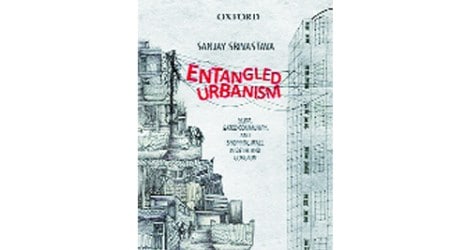
A well-researched sociology of Delhi, where people have learnt to live in the ruins with hope, knowing full well their own contribution to the ruin.
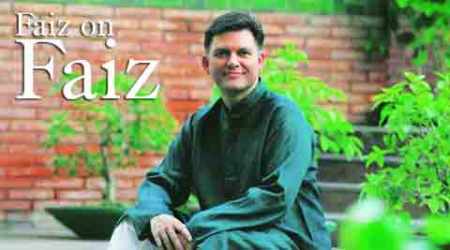
Faiz Ahmed Faiz’s grandson, Ali Madeeh Hashmi, talks about his grandfather’s legacy and the upcoming biography of the revolutionary poet.
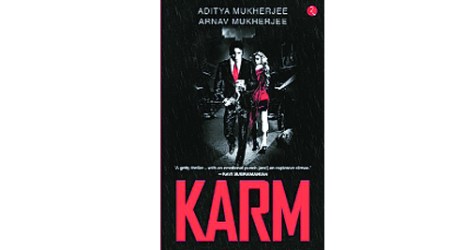
Set in Mumbai in 2020, the plot revolves around small-time reporter Sudhir Navkar.
Cricket’s glorious uncertainties are rendered somewhat predictable through some unorthodox data crunching.

A crucial book explores why India has successfully managed to keep the military out of democratic politics.

If you want to read a best-selling novel, but don't like the cuss words in it, this app is for you.
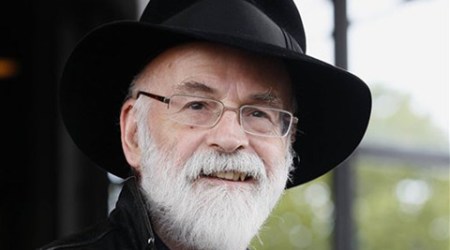
Pratchett died at home surrounded by his family with his cat sleeping on his bed, his publishers said.

The fervently-awaited sequel is now set to release on October 13, 2015.
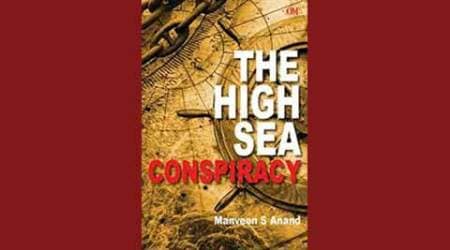
The book is engaging in parts; though the plot looks predictable in the beginning, you can never guess what happens towards the end.
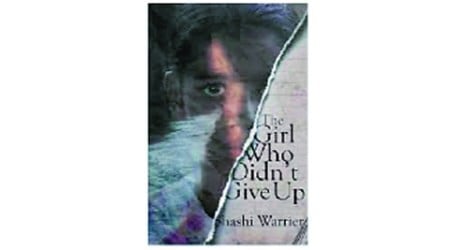
But somewhere between the crisis and its resolution, the book loses its plot.

The writing is as pedestrian as the streets of Delhi of which the author is so cynical about.
A debut attempt at a hard-boiled thriller is derailed by its slack pace and unimaginative denouement
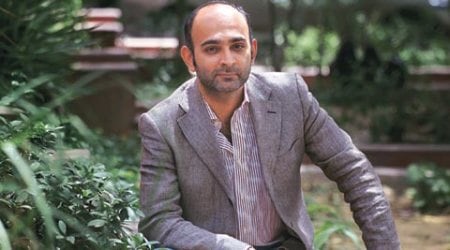
In Mohsin Hamid the essayist, we find a more inward-looking voice, as if he’s testing some thoughts out as he writes.
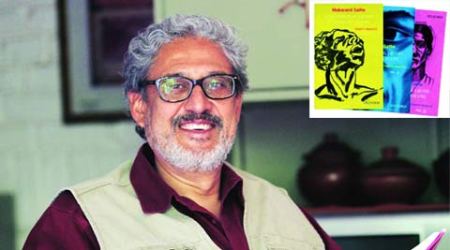
With release of English translation of his work that maps history of Marathi theatre, Makarand Sathe talks about state & censorship.
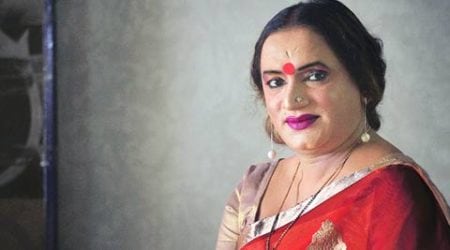
Me Hijra, Me Laxmi charts her journey from a young boy confused about his sexuality to his decision to become a hijra and the activism that has formed the basis of her work.
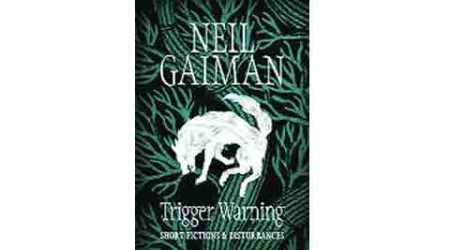
Neil Gaiman’s new collection leads you on a trail of possibilities, and there is darkness on the way.

In recovering the life of an Indian suffragette, this biography is not political enough.
Ilina Sen’s memoir of her days in Chhattisgarh does not quite bring to life the interesting times she has lived through.
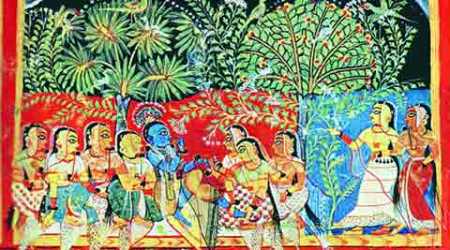
A survey of Sanskrit kavya explores its vitality and continuous change. If only it had been less pedantic in style.
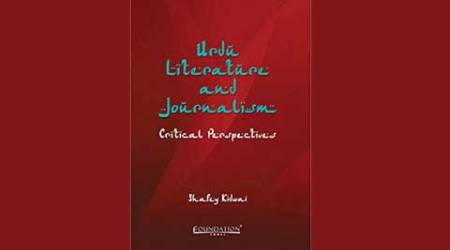
The book holds an ample coverage on Ghalib, Firaq, Faiz, Iqbal, Rabindranath Tagore, Munshi Premchand, Manto and Kalam, Sir Syed Ahmad Khan and Josh.
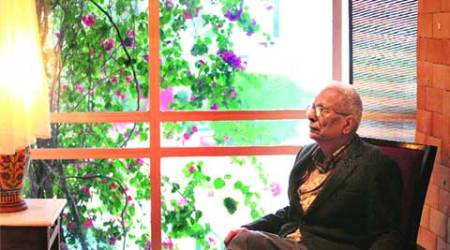
Hindi poet and writer Vinod Kumar Shukla on the thin line between imagination and reality and why an author’s body of work needs to be looked at in continuum.
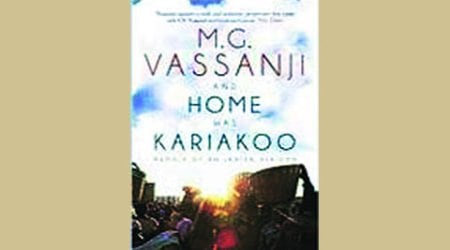
An Africa of warmth and many-splendoured exuberance comes alive in this yatra.
Mamang Dai exhumes the unwritten stories of the northeastern tribes in this historical novel.
The village in Pakistani writer Ali Akbar Natiq’s remarkable collection of stories is a violent, unforgiving and acutely real place.
The universe of ideas that once formed JNU is laid out in this new history.