Journalism of Courage

In most of my yoga teaching, and most so in cancer management cases, it is the subtle practices that work the best, says yoga guru Kamini Bobde
All your frequently asked questions answered by Dr Kushal Gupta, Dr Gaurav Prakash and Dr Pankaj Malhotra, Dept of Clinical Haematology and Medical Oncology, PGIMER, Chandigarh

Dutt’s oncologist, Dr Sewanti Limaye, Director, Medical and Precision Oncology, Sir H N Reliance Foundation Hospital and Research Centre, Mumbai, talks about his remission, targetted therapies, the need for grassroot cancer awareness in India and clinical trials

In India, where the population is relatively young compared to the Western world, concerns surrounding infertility after chemotherapy have created a need for effective methods of fertility preservation, says Dr Garvit Chitkara, Senior Consultant, Surgical Oncology (Breast), Nanavati Max Super Speciality Hospital

Before you follow social media trends and start making oat milk at home, consider the nutritional benefits of dairy milk, says Prachi Jain, HOD, Nutrition & Dietetics, CK Birla Hospital, Gurugram

Previously thought to be a ‘Western’ disease, red meat and alcohol consumption being triggers, colorectal cancer is currently the fourth most common cancer in men and fifth among women in India, say oncologist
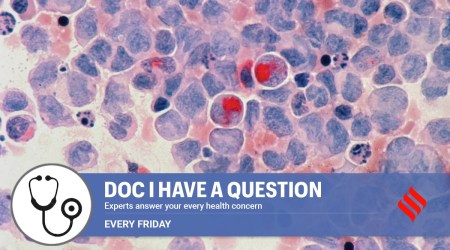
Despite developments in cancer prevention, diagnosis and treatment, half of the world’s population do not get the full range of essential health services. Availability, accessibility, affordability are important factors that cause this gap in care, says Dr Sushmita Ghoshal, Professor and Head, Department of Radiotherapy, PGIMER

Industry experts decode the cascading impact of Budget announcement on skill development, innovation and indigenous development of medical devices

A recent survey found that nearly 76 per cent or one in three Indians suffers from Vitamin D deficiency, mostly youngsters. That’s because we stay longer in a conditioned, indoor environment than the outdoors, says Dr Rommel Tickoo, Director, Internal Medicine, Max Super Speciality Hospital, Saket, New Delhi

Eating soy-based foods can reduce total cholesterol and slightly reduce LDL because they contain less saturated fat than meat and also provide other beneficial nutrients, such as good fats (monounsaturated fats), vitamins, minerals and fibre, says Dr Richa Chaturvedi, Senior Consultant, Endocrinology, Indraprastha Apollo Hospitals

Lack of health infrastructure, medicines and specialists have not only crippled tribal patients but also pushed up mortality rates. A ground report

The expanded mandate of comprehensive primary healthcare and the need to scale up the urban health component of the National Health Mission call for more funds, says epidemiologist Prof K Srinath Reddy

The allocation for the health sector has effectively been reduced by around six per cent, in comparison to last year. Increased government spending is the only assured way to make health services affordable, says public health policy expert Dr Chandrakant Lahariya

Govt infrastructure can be fully utilised, smaller centres and start-ups will benefit, public-private partnership will accelerate R&D and help in comprehensive public health management post-Covid, say experts
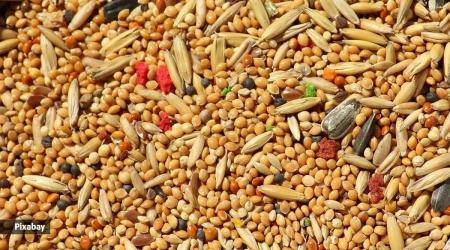
Millets can be stored for long periods and have short growth cycles, so there is no reason why they should be more expensive than widely used staples. Be careful about processing as it usually removes the fibre, which lowers the glycemic index (GI) of millets. Also limit your portions, says Dr Ambrish Mithal, Chairman and Head, Endocrinology and Diabetes, Max Healthcare

'The minimum wages decided by the Delhi High Court are not being paid at both private and public hospitals. So nurses are quitting, going abroad, leaving one person for 40 beds,' says Leeladhar Ramchandani, general secretary of the Delhi Nursing Federation.

‘Sadly, the government didn’t even implement the recommendations made by the parliamentary committee on health. It is very painful to see domestic industry players shutting shop as the local industry cannot compete with cheaper Chinese imports,’ says Rajiv Nath, forum coordinator at the Association of Indian Medical Device Industry (AIMED)

Prof S L Kate, 91, who has done pioneering research in Sickle Cell anaemia, says rarely do diseases of the poor get prioritised. He is also conducting clinical drug trials on tribal patients.

Big push for millets, public-private partnership in R&D and an ambitious target to eliminate sickle cell anaemia by 2047

Apart from being high in calories, salt and sugar, these foods contain harmful additives and newly-formed compounds. The packaging may contain chemicals, which are known as hormone disruptors, says Dr Anoop Misra, Chairman, Fortis CDOC Hospital for Diabetes and Allied Sciences

Researchers from Penn State College of Medicine, US, found that after being continuously fed a high fat/high calorie diet, the brain adapts to what is being ingested and forgets to balance calorie intake. The study proves junk foods are endocrine disruptors, say experts

Warm-ups gradually start a slow combustion, allow your muscles to peak, stretch and contract optimally. They increase your heart rate, blood flow and enable more oxygen to reach your muscles, says holistic health expert Dr Mickey Mehta
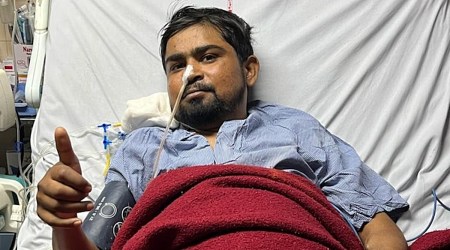
Pancreas transplant is the only modality known to treat severe cases. Currently, the patient is maintaining a good urine output with normal blood sugar, say doctors

Once corrective action has been taken regarding blockages and whatever was obstructing the pumping efficiency of the heart, the patient can get back to his routines. In fact, these strengthen the heart and speed up recovery. But work through a cardiac rehabilitation programme, take the stress tests and go by the advice of your cardiologist, says Dr Balbir Singh, Chairman, Cardiac Sciences, Cardiology, Cardiac, Electrophysiology-Pacemaker, Max Hospital

Put together by Dr Anoop Misra, Chairman, Fortis CDOC Hospital for Diabetes and Allied Sciences, and Dr Meenakshi Bajaj, dietician, Tamil Nadu Government Multi-Super Speciality Hospital, Chennai, a review of several studies shows how dates, had the right way, can impact blood glucose, glycosylated haemoglobin, lipid profile and body weight