11 min read

Journalism of Courage



With outdoor fitness training,art exhibitions and musical performances,urban Indias streets are discovering a communal purpose
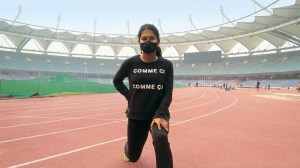
Its a breezy morning and Prashanth Prakash is warming up for a rigorous,hour-long workout. An athlete,he trains almost every day at Namma Crossfit,a gym in central Bangalore,but Sundays are special. On Sundays,all of Bangalore becomes his gym,and its trees,public benches,sidewalks and stairways his fitness equipment. It is the day of the week when Namma Crossfit and some of its 100-odd members head outdoors for a session under the sky. Today,they are on a skywalk facing the fairways of the Bangalore Golf Club,doing lunges with coach Pradyumna Mukundan. We constantly surprise the body with new routines based on where we train. In Cubbon Park,for instance,we climb trees,lift rocks and do jumps because the landscape lends itself to these routines, he says. Here,they sprint,crouch,crawl,squat and leap up,down and across the skywalk as people stream through the city below and the noise of traffic swirls all around. Its refreshing to train outdoors, says Prakash,a swimmer. You make your body do things you wouldnt normally do in a gym.
Fitness includes the ability to deal with any events life might possibly throw at you,says Abinav Shankar Narayan,a former cricketer and co-founder of Namma Crossfit,which started out as a street fitness programme aimed at using resources available at public places to get fitter. The gym now has an indoor facility on the fifth floor of a building on the busy Cunningham Road,but it is almost entirely devoid of exercise machines. Machines can make you fitter too,but training on the sidewalk,using zebra crossings and parks makes you aware of your surroundings. It prepares you for life youd be better equipped to ward off a mugging,for instance, Narayan says.
Namma Crossfit is only the latest example in a spate of art,culture and leisure activities that have spilled on to urban streets. At a time when rural-urban boundaries are in flux and rapidly growing cities are irreversibly changing the way we interact with one another,this bustle in public spaces is helping to bring back a sense of community and belonging. In Bangalore,the return of an old hangout in the heart of the city is heralding this movement. Five years ago,when the tree-lined MG Road boulevard was dug up to build a Metro station,Bangalore lost an important landmark. It was where we hung out and chatted as students,the coffee house of our time, says Krupa Rajangam,a conservation architect who documents local histories and conducts heritage walks around town. A new,half-kilometre-long boulevard,built in the shadow of the Metros viaducts and thrown open to the public earlier this year,now aims to match its lost glory,with art galleries,craft kiosks,a childrens play area and a raised walkway with benches. Its like we are back in old Bangalore again, says Gayathri Vishal,a 42-year-old bank employee,sitting under the walkway as her son,10-year-old Avinash,takes a free pottery lesson from Raghu,a clay sculptor who sits on a plastic chair,with a pottery wheel and a few stools strewn around.
The Rangoli Metro Art Centre is not just about old Bangalore. One evening,last month,it came alive with the sound of beating drums when about 300 people participated in collective musical sessions drum circles organised by singer and actor Vasundhara Das and her percussionist husband Roberto Narain. We had been looking to engage closely with people in a space like this. Sharing music or art with people in a public setting builds a sense of community and breaks barriers. Many have since approached us through social media for participating in the next event, she says. Drumjam,the company they run,has been organising drumming events for corporates; it will now invite the public to drum to their hearts content on a Sunday every month at the Metro Art Centre.
When Narain and Das were planning the drumroll in Bangalore,Yamini Chitale,a 19-year-old engineering student in Pune,was mustering the courage to break into song in public. She was part of a band that performed all over the city in buses,public parks and monuments on the occasion of World Music Day on June 21. It was a little strange at first. There we were,in a bus full of strangers. Everyone was busy,in their own worlds,just waiting to reach their destinations, she says. But we swallowed our awkwardness and started singing our hearts out. It was great fun,especially when everyone on the bus joined in. The conductor even requested us to perform a song from Rowdy Rathore. The event was organised by Alliance Française,Max Mueller Bhavan and the Pune Municipal Corporation in a bid to bring art and music to the masses.
Street theatre in Kolkata and New Delhi have tasted popularity,but other cities are coming up with fresh initiatives too. Unlike formal performances,street shows give the artiste immediate and honest feedback. If people are not excited about your show,they walk on,otherwise,they stay back and join in, says Ranjana Dave,co-founder of Dance Dialogues in Mumbai,who has organised flash mobs and public performances. Dave recalls the flash mob that she had helped organise on Mahim beach earlier this year. We went in not knowing what to expect,but the minute the music started,there was no audience and no performer,just dance, she says. A group of drummers appeared out of nowhere and spontaneously started playing the drums for us. The street is full of surprises.
Among the surprises on Mumbais streets is graffiti,from curated pop art along boundary walls to reactionary slogans by marginalised communities. Graffiti in Mumbai is more about individual expression than about vandalism,says graffiti artist Tyler pseudonym. In a city where nothing is free,the streets are the only place we can call home. For me,the walls are a space to say what I want to. And it is something that people cant turn away from. Its on the wall and they are forced to deal with it, he says. Tyler talks about an incident where he was walking past his work that read The lifestyle you ordered is currently out of stock and saw two friends click a photograph next to it. Millions of people walk past your work every day. It is very exciting, he says.
The streets of Mumbai have an unusual energy that can be channelled for art,says artist and performer Sahej Rahal,known for his sculptures and communal performances at the Bandra skywalk and at the Dhobi Talao subway. During rush hour,Rahal walked through the subway dressed in a cloak and headdress the guise of a mythical warrior and playing a didgeridoo. Titled Bhramana,the project was aimed at drawing a subjective map of the city as it shows how people live and travel as a communal ritual.
Earlier this year,Harshvardhan Kadam,a Pune-based illustrator and artist,launched the Pune Street Art Project as part of the first Pune Biennale that concluded in February. Art for the common people was the central idea behind the initiative. Instead of art shows that are aimed at the cream of society,we wanted to line up art on city streets, says Kadam. Four sites in the city the Katraj Snake Park,the Sanas Grounds,and the walls near Saras Baug and Nehru Stadium exhibited these works: a three-headed figure trying to destroy modern buildings,a monkey wearing sunglasses,a large purple eye and other graffiti-style murals that have now become a part of the cityscape. With shopping malls on every street,people now need more breathing space and a new reason to look out for social activities and escape claustrophobia, Kadam says.
Pune may have seen a profusion of art on the streets lately,but it hasnt been easy. When freelance photographer Abhijit Patil formed a Facebook group called Sadakchhap a few months ago,hoping to find artistes who were enthusiastic about a street exhibition,it was a rebellion of sorts. It was basically a bunch of us who were frustrated with the galleries in the city. We wanted our work to reach the public,but we didnt want to be confined by space or finances, he says. Only a certain class of people get to display their art in galleries because of the costs involved and only a small section of people visit galleries. This was our way of bringing democracy to art, says Patil.
They came together,procured the required permissions and transformed the busiest markets in the city into their own gallery. Tulsibaug,the market located in the heart of the old city,is shut on Mondays. That week,however,the streets were buzzing with activity,as over 60 painters and photographers taped their work on closed shop shutters. The one-day street exhibition,also titled Sadakchhap,was a roaring success. The response we got was phenomenal. You cant see such reactions in sophisticated galleries, says Patil. Its this mass appeal of the streets that has prompted theatre groups like Swatantra Theatre to make the city their stage,with regular plays about piracy,swine flu and public transport issues.
In Delhi,busking,a form of street performance,is gaining currency. Guitarist Sushant Thakur,who is a musician on a mission these days,is among its exponents. In the wake of the Uttarakhand floods,the 30-year-old will perform at busy marketplaces to raise money for the affected. Busking,popular in the West,is about showcasing ones music and creating a shock-and-awe situation for the man on the road. In this case,its also about spreading a social message, says Thakur.
Last summer,Suryakant Sawhney,the vocalist of Delhi-based band Peter Cat Recording Co.,did the same,along with Delhi band Menwhopauses guitarist Anoop Kutty. Sawhney roamed the streets of Defence Colony,Nehru Place and Khan Market,guitar in hand. I used to do this in San Francisco a few years ago. It was a very competitive market,spots were coveted and I genuinely needed money. In Delhi,I did it for fun a few times and realised that our curiosity levels are so high. In the West,people are desensitised to all this, says the 26-year-old.
For money or not,street art and music are spreading their wings over urban India,hoping to get crowds to participate. Its not easy. While people are increasingly interested in city and culture walks,I still attract stares when I stop by a house or a street corner to explain something to the group, Rajangam says. There arent many accessible spaces in Bangalore conducive to large gatherings and performances. But if the response to the Metro Art Centre is anything to go by,streets could one day be cultural synapses,building bridges of awareness and transmitting the creative impulses of a city
in transition.
With inputs by Somya Lakhani