5 min read
📣 For more lifestyle news, click here to join our WhatsApp Channel and also follow us on Instagram
© IE Online Media Services Pvt Ltd



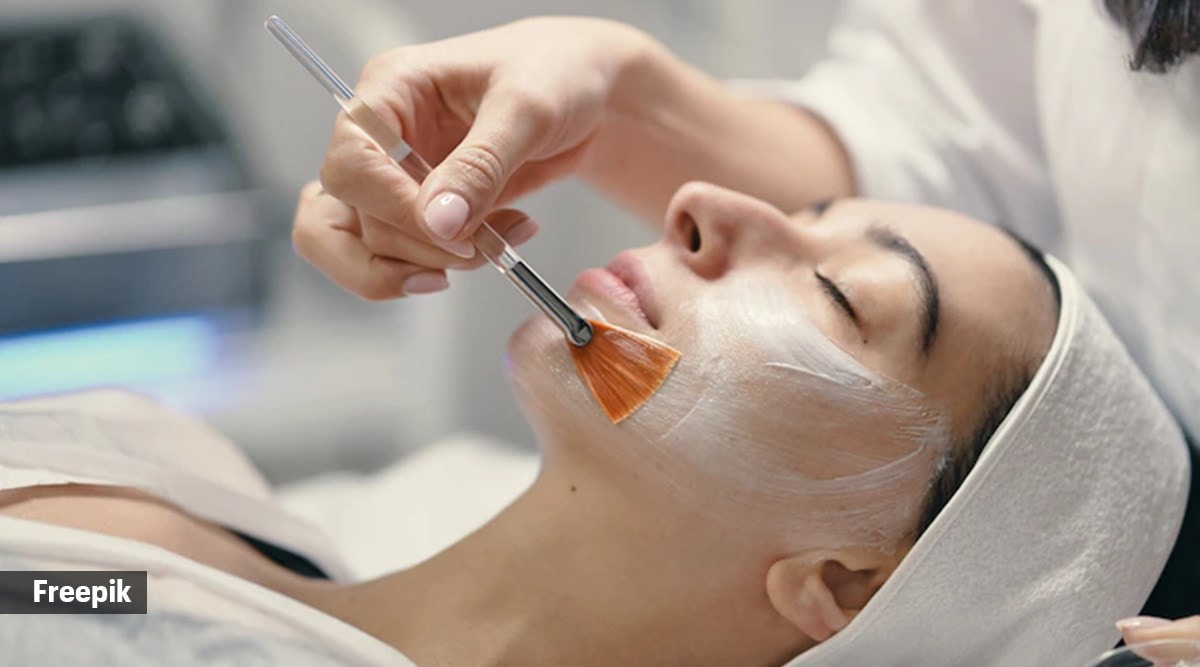 A report by the World Health Organisation estimates that, by 2024, the skin bleaching industry will be worth $31.2 billion. (Source: Freepik)
A cosmetic practice, many people bleach to lighten their skin tone. A 2018 meta-analysis found that 27.7% of respondents had tried to bleach their skin. Further, a report by the World Health Organization (WHO) estimates that by 2024, the skin bleaching industry will be worth $31.2 billion.
In simple words, bleaching works by reducing the concentration or production of melanin in the skin, a pigment produced by cells called melanocytes. When you apply a skin-bleaching product, it decreases the number of melanocytes in your skin.
Methods and ingredients
There are several active ingredients that can help in skin bleaching:
Vitamin C
Vitamin C may reduce spots of hyperpigmentation, including those from acne. It can bind to melanin, thereby reducing melanin production and addressing hyperpigmentation.
Niacinamide
A 2020 study found that niacinamide could reduce hyperpigmentation when used as a part of a blend. The study found that niacinamide used with antioxidants can address hyperpigmentation in skin of colour.
Retinol
Retinol can help accelerate the skin turnover process, which may help the skin heal from injury. They are known to reduce post-inflammatory marks from acne. Retinoids may make skin more sensitive to the sun, so using sunscreen is necessary.
Hydroquinone
It is a known depigmentation agent present in various skin bleaching products. Results usually appear within 3-6 months after applying it one to two times per day. However, WHO considers the ingredient to be a “hazardous chemical”, which can lead to side-effects such as skin irritation, redness, burning, dryness, damage to the skin and discolouration.
Mercury
It is a toxic metal which may harm humans; however, it is found in many skin bleaching products. It inhibits the formation of melanin, resulting in a lighter skin tone.
Is it safe?
 a number of counties have banned the use of skin bleaching products because of the dangers associated with them. (Source: Freepik)
Treating areas of hyperpigmentation can be safe if a person uses dermatologist-approved methods and avoids harmful substances. However, a number of counties have banned the use of skin bleaching products because of the dangers associated with them, such as:
Mercury poisoning
Some skin bleaching creams may be linked to mercury toxicity. Signs of mercury poisoning include numbness, high blood pressure, fatigue, sensitivity to light, kidney failure, and neurological symptoms like tremors, memory loss and irritability.
Dermatitis
It is an itchy rash caused by direct contact with a substance or an allergic reaction it. Dermatitis can appear as skin redness, blisters, ulcers, hives, dry, scaly skin, and swelling.
Exogenous ochronosis
It is a skin disorder that leads to blue-black pigmentation. Usually, occurring as a complication of long-term use of skin bleaching creams that contain hydroquinone, people who use it on large areas or the entire body are more likely to develop it.
Nephrotic syndrome
Skin bleaching creams containing mercury may be connected with nephrotic syndrome, a kidney disorder which causes the body to excrete too much protein in the urine.
Steroid acne
Creams with corticosteroids can cause steroid acne, which mostly affects the chest, back and arms. It can appear as whiteheads, blackheads, small red bumps, acne scars and painful lumps.
Dr Rashmi Shetty, Cosmetic Dermatologist, Ra Skin & Aesthetics advised those who have sensitive, dry or chapped skin or have pre-existing skin conditions like eczema or atopic dermatitis, to be cautious. “It should also be avoided by those who are prone to irritation or itching under the eyes,” she said.
Adding, she told indianexpress.com, “If you have finer hair on your face, bleaching may not be the best solution as it will leave a golden buff on both sides of your face which would not look very appealing.”
As for how frequently it can be done, Dr Shetty said, “Avoid bleaching too often. Ensure to prep your skin a week in advance by keeping it well hydrated. Moisturise your skin well before its application and remember to wash it off with warm water as the bleach will not be as effective over a thick layer of moisturizing cream,” adding that once the bleach is washed off, moisturise your skin again as it will soothe the skin cells.
The expert recommended that the best time to bleach your skin is at night for two reasons — your skin can recover well from the process at night, and you can leave on a generous layer of moisturiser to aid recovery. “Avoid bleaching during the day as the sun rays could irritate the bleached skin,” she concluded.
📣 For more lifestyle news, follow us on Instagram | Twitter | Facebook and don’t miss out on the latest updates!