5 min read


📣 For more lifestyle news, click here to join our WhatsApp Channel and also follow us on Instagram
© IE Online Media Services Pvt Ltd



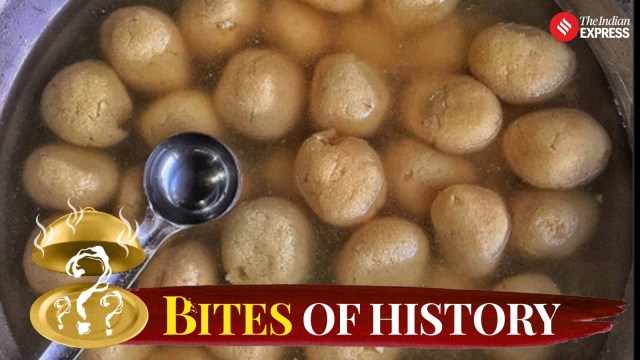 The Pahala rasagolas are named after the village of Pahala in Odisha (Instagram/Captures of Odisha)
Rasagolas, the beloved syrupy sweets, are a source of pride for both Odisha and West Bengal, each claiming their distinct version. While the Bengali roshogolla is widely celebrated across India and beyond, Odisha’s Pahala rasagola, which received a geographical indication (GI) tag last year, has its unique identity that sets it apart.
The Pahala rasagola, named after the village of Pahala in Odisha, differs in preparation, taste, and texture, offering a distinct experience for those who savour it. With the help of an expert, we explore the nuances that make Pahala rasagola special and how they stand out from the more commonly known Bengali roshogollas.
Head chef and restaurant consultant Tarveen Kaur tells indianexpress.com, “The Pahala rasagola, originating from the village of Pahala in Odisha, is distinguished by its light brown hue and mildly sweet flavour. The process of making it involves boiling the chhena (cottage cheese) balls in a sugar syrup that has been caramelised to achieve the desired colour and flavour. The texture of Pahala rasagolas is slightly denser and chewier compared to their Bengali counterparts. Additionally, semolina is sometimes added to the chhena mixture to enhance the texture.”
Kanikka Malhotra, consultant dietician and certified diabetes educator says, “Pahala rasagola has a soft, spongy texture and a milder, thinner syrup, whereas Bengali rasagola is harder, with a chewier bite and a thicker, sweeter syrup.”
The Bengali roshogolla, Chef Tarveen notes, attributed to confectioner Nobin Chandra Das in the 19th century, is renowned for its pristine white colour and spongy, soft texture. “The chhena balls are meticulously kneaded until smooth and then boiled in a clear, light sugar syrup. The absence of caramelisation ensures the signature white appearance of the Bengali roshogolla.”
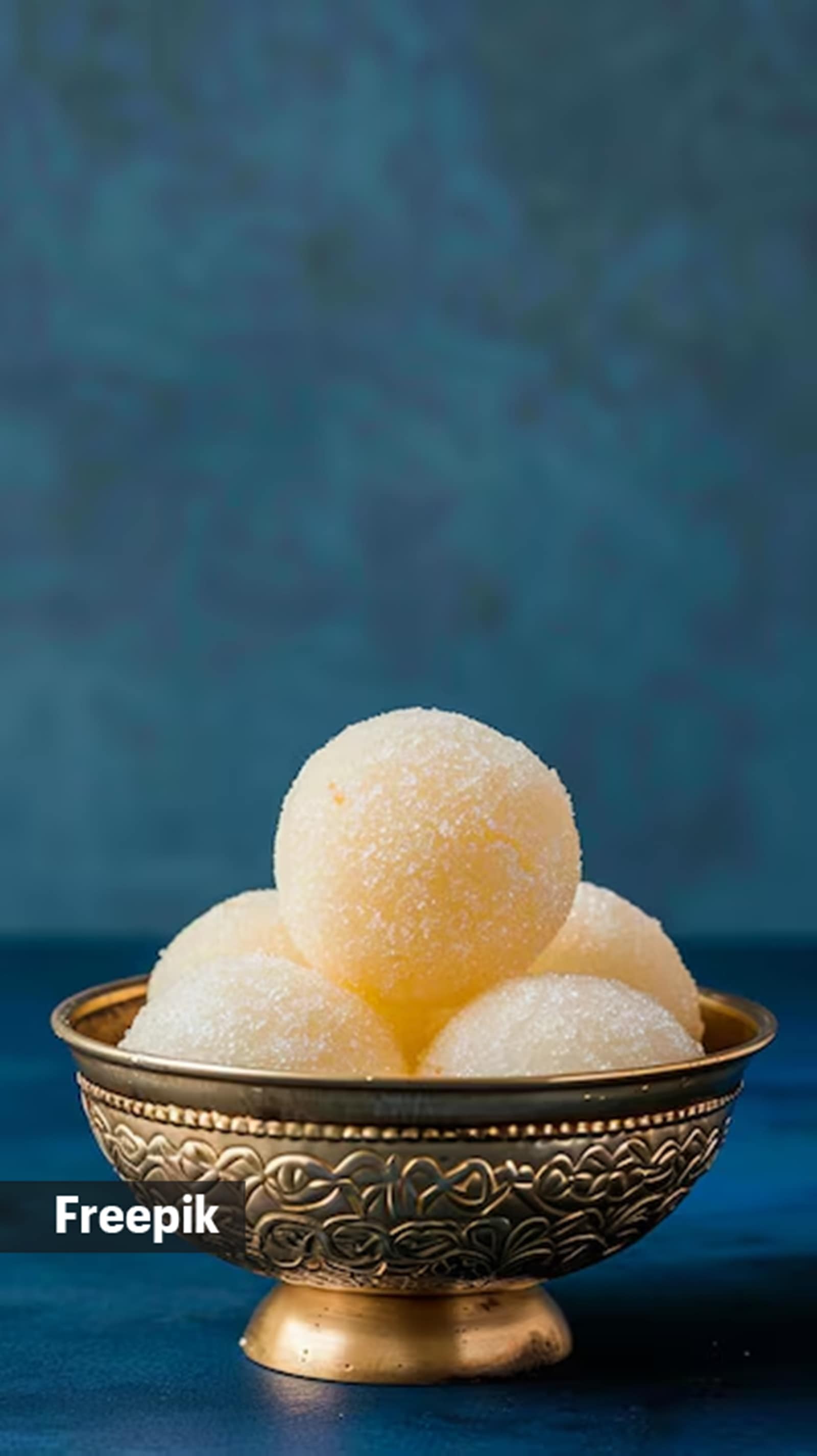 Pahala rasagolas provide a different sensory experience than their Bengali cousins (Source: Freepik)
Chef Tarveen informs that Pahala rasagola holds deep cultural and religious significance in Odisha. “It is traditionally associated with the centuries-old ritual of ‘Niladri Bije,’ marking the return of Lord Jagannath and his siblings to the Jagannath Temple in Puri after the annual Rath Yatra. According to local legend, to appease his consort Goddess Lakshmi, who is displeased for not being taken along during the procession, Lord Jagannath offers her rasagolas. This ritual underscores the dessert’s integral role in Odia religious practices.”
Malhotra notes, “This link with the temple and its rituals raises the Pahala rasagola above the level of a mere dessert, making it an essential element of Odisha’s cultural identity. The sweet’s history, which is strongly connected with the state’s religious customs, distinguishes it from the Bengali counterpart and gives it a distinct cultural identity.”
Pahala rasagola have grown in popularity, Malhotra says, particularly in recent years, yet they continue to compete with their Bengali cousins. The fierce rivalry between Odisha and West Bengal over the origin of the rasagola has also unintentionally brought Pahala rasagola to the forefront. While Bengali roshogolla have long been recognised on a national and worldwide scale, the Pahala rasagola is gaining popularity as a result of initiatives to showcase Odisha’s culinary heritage.
The annual celebration of ‘Rasagola Dibasa’ (Rasagola Day) on the day of Niladri Bije has further spotlighted the dessert, leading to increased recognition and appreciation both nationally and internationally. “The strategic location of Pahala on a major highway has also contributed to its fame, as travellers frequently stop to savour the authentic taste of these caramel-hued rasagolas,” states Chef Tarveen.