Head chef and restaurant consultant Tarveen Kaur tells indianexpress.com, “A staple in Kumaoni agrarian communities, black soybeans (bhatt) thrive in the high-altitude climate. Historically, this dish evolved to enhance the digestibility of bhatt through slow cooking. Unlike modern adaptations, the traditional recipe relies on minimal but robust flavors, emphasising the natural taste of local ingredients. This simple yet flavourful dish reflects Kumaon’s sustainable food culture, using locally available ingredients to create a protein-rich, warming meal.”
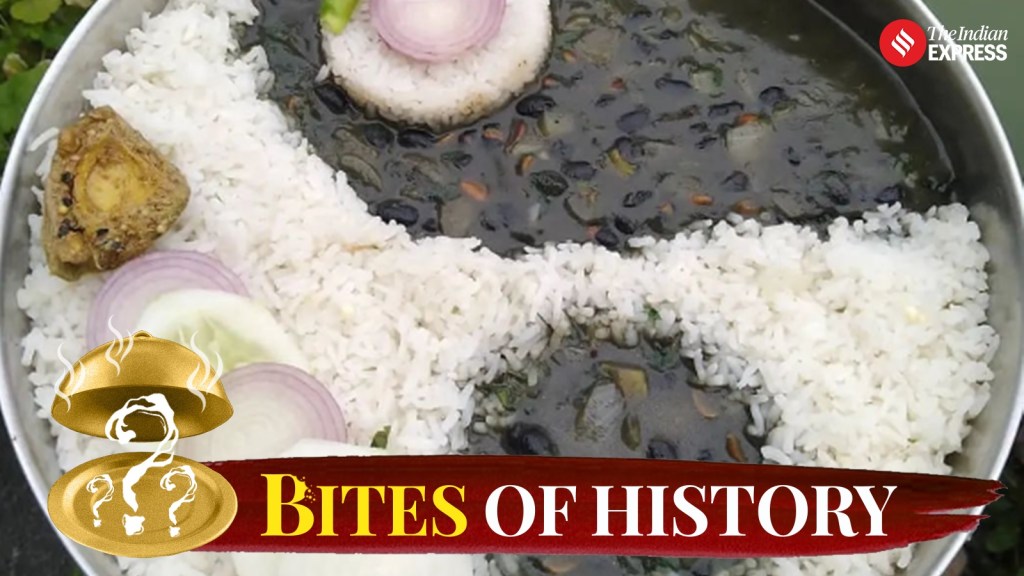
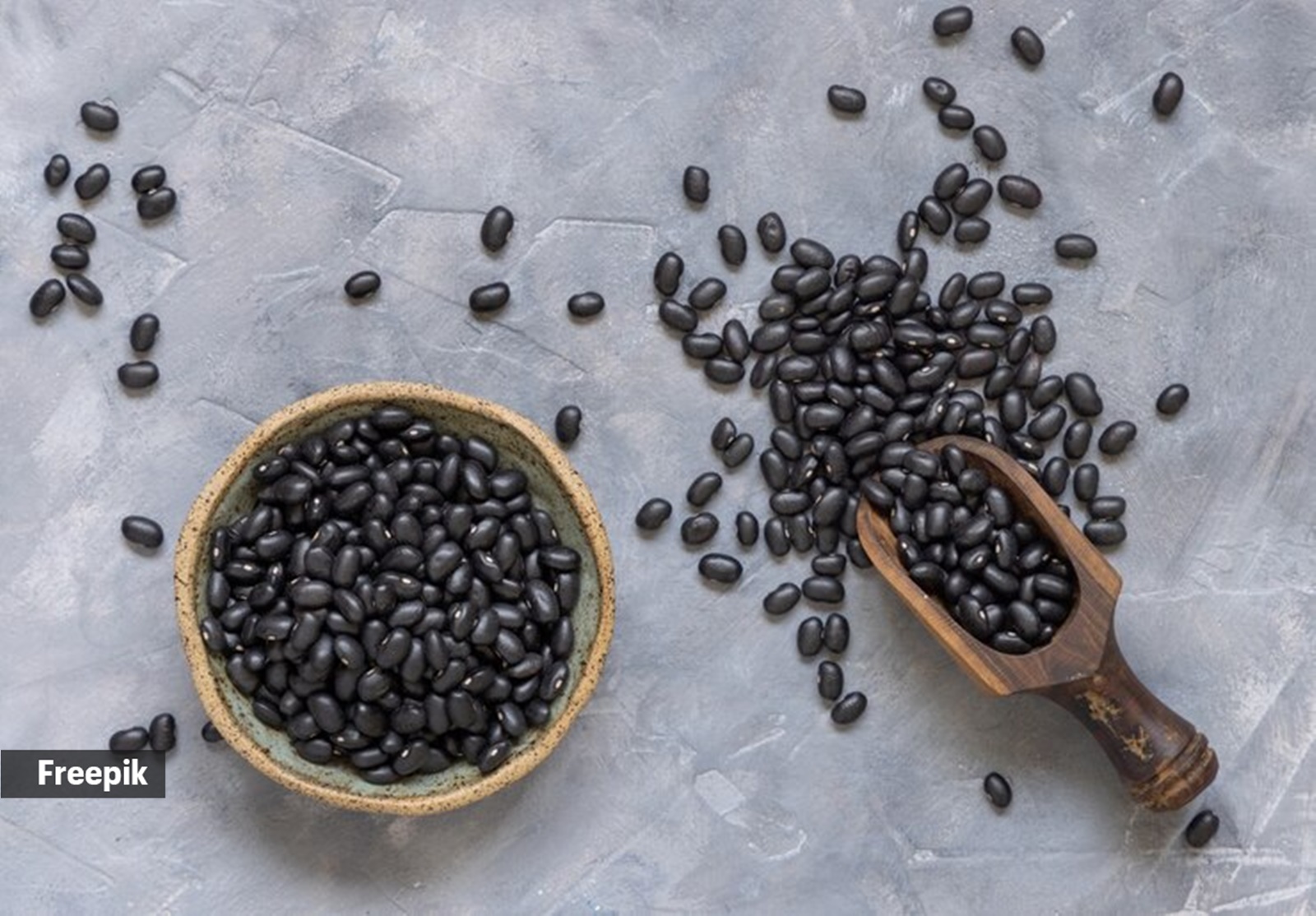
Kanikka Malhotra, consultant dietician and certified diabetes educator adds that bhatt ki churkani epitomises the spirit of pahari (hilly) cuisine. This type of cooking focuses on readily available, local goods that thrive in the harsh Himalayan climate. The dish’s headliner is the “bhatt,” or black soybeans.
Cultivated in the region for centuries, Malhotra says, black soybeans are a nutritional powerhouse, filled with:
Plant-Based Protein: Black soybeans are a complete protein source, including all nine essential amino acids that the body requires. This makes bhatt ki churkani an excellent supplement to vegetarian and vegan diets.
Fibre Powerhouse: Black soybeans are high in dietary fibre, which promotes gut health, aids digestion, and can contribute to feelings of fullness, perhaps helping with weight management.
Essential Minerals: Black soybeans contain iron, which is essential for oxygen transfer and red blood cell synthesis. They also contain phosphorus, which is beneficial to bone health, as well as calcium, which is required for strong bones and teeth.
 Bhatt ki churkani epitomises the spirit of pahari (hilly) cuisine. (Source: Freepik)
Here is where other vital elements lend their nutritious magic, according to Malhotra:
Wheat Flour: Wheat flour, which is commonly used as a thickening, has a little amount of carbs that provide sustained energy. Choosing whole wheat flour delivers more fibre and important minerals.
Ghee/Oil: Ghee or oil provides healthful fats, assisting in vitamin absorption and increasing satiety. Choosing heart-healthy oils such as mustard or olive oil can improve the nutritional profile.
Spices: A symphony of spices, such as cumin, ginger, and turmeric, not only improves the flavour but also has possible health advantages. Cumin improves digestion, ginger has anti-inflammatory properties, and turmeric contains antioxidants and anti-inflammatory compounds.
Preparation and cultural significance of bhatt ki churkani
Bhatt ki churkani has developed throughout time to accommodate changing lifestyles while preserving its essential essence, says Malhotra.
Preparation
Chef Tarveen explains, “Bhatt ki churkani begins with dry-roasting black soybeans in an iron pan to intensify their flavour and aid digestion. The roasted beans are then coarsely ground and cooked in mustard oil with garlic, turmeric, and cumin. Rice flour thickens the curry, giving it a rich, velvety texture. The dish is typically served with steamed rice or mandua (finger millet) roti, creating a wholesome and satisfying meal.”
Cultural Significance
Malhotra notes, “Bhatt ki churkani continues to be a symbol of Kumaoni hospitality and friendliness, bringing families and communities together for festivities and events.” Because of the scarcity of meat, “it was once a major protein source”. Today, she adds, with additional food options available, its relevance may be based on its cultural background and flavour.
Bhatt ki churkani is integral to Kumaoni identity, states Chef Tarveen. She informs, “It is commonly prepared in winter for its warming properties and plays a role in traditional gatherings and festivities. Families often pass down unique variations of the recipe, preserving its legacy through generations.”
With growing interest in regional Indian cuisines, she states that bhatt ki churkani is gaining wider recognition. Restaurants and home chefs are reviving this dish, celebrating its authenticity and sustainability.


 Bhatt ki churkani epitomises the spirit of pahari (hilly) cuisine. (Source: Freepik)


 Share


