5 min read
Latest Comment
Post Comment
Read Comments



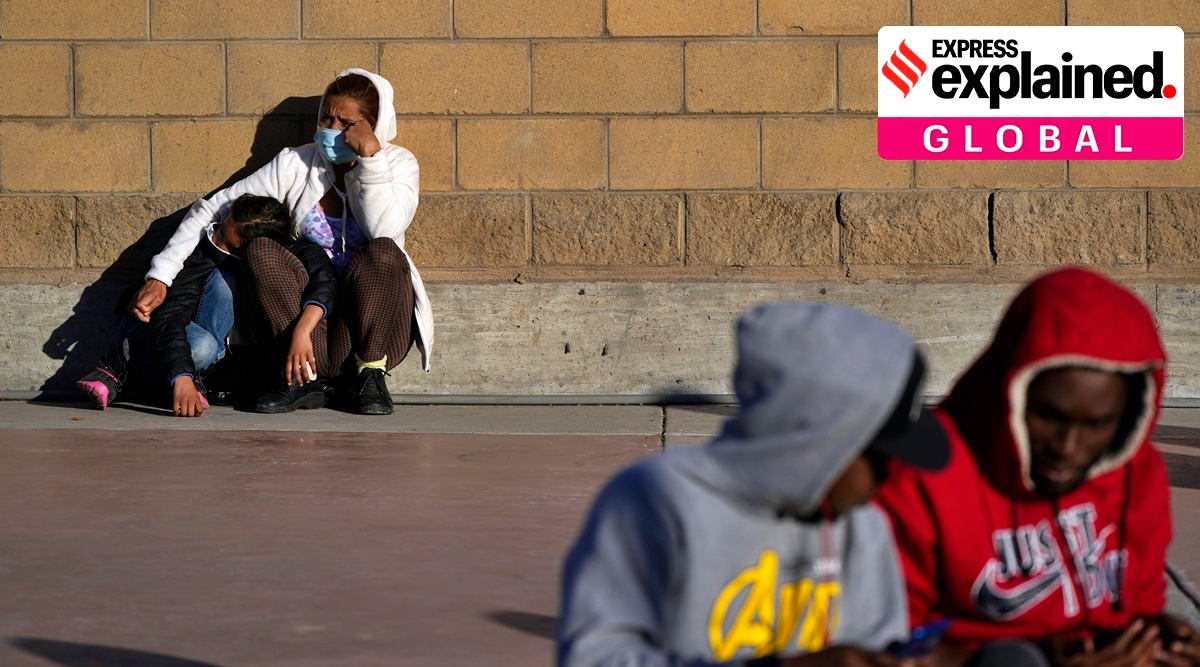 Asylum seekers have been transferred to offshore detention centres in Papua New Guinea's Manus Island and the South Pacific island nation of Nauru for their claims to be processed. (File/AP)
The Biden administration on Monday reinstated a Trump-era policy to make asylum-seekers wait in Mexico for hearings in US immigration court, seeking to comply with a court order and agreeing to changes and additions demanded by Mexico.
It began in El Paso, Texas, with up to 50 migrants to be returned daily to Ciudad Juarez, according to a US official who spoke on condition of anonymity because details were not made public.
The Homeland Security Department confirmed that returns began at one location and will be expanded to six others. It declined to identify the launch city or how many migrants will be processed, citing “operational security reasons.”
Revival of the “Remain in Mexico” policy comes even as the Biden administration manoeuvres to end it in a way that survives legal scrutiny. President Joe Biden scrapped the policy, but a lawsuit by Texas and Missouri has forced him to put it back into effect, subject to Mexico’s acceptance.
About 70,000 asylum-seekers have been forced to wait in Mexico for US hearings under the policy that President Donald Trump introduced in January 2019 and which Biden suspended on his first day in office.
Illegal border crossings fell sharply after Mexico, facing Trump’s threat of higher tariffs, acquiesced in 2019 to the policy’s rapid expansion. Asylum-seekers were victims of major violence while waiting in Mexico and faced a slew of legal obstacles, such as access to attorneys and case information.
 Only 1% of asylum-seekers subject to the policy were granted relief, according to Syracuse University’s Transactional Records Access Clearinghouse. About six of 10 claims were denied or dismissed, and the rest are pending.
Only about one of every 10 had legal representation, well below the average in US immigration court.
Trump administration officials insist the policy was critical to deter illegal crossings. Alejandro Mayorkas, Biden’s homeland security secretary, said the policy, likely contributed to a drop in crossings in 2019 but with “substantial and unjustifiable human costs” to asylum-seekers who were exposed to violence while waiting in Mexico. Critics say the policy, officially called “Migrant Protection Protocols,” ignores US law and international obligations for asylum, which Trump called “a sham.”
Biden’s version expands the policy to migrants from Western Hemisphere countries, while Trump largely limited it to the hemisphere’s Spanish-speaking countries. Mexicans continue to be exempt.
The expansion is especially significant for Haitians, who formed a massive camp in the Texas border town of Del Rio in September. Brazilians, who were largely spared under Trump, may also be heavily affected.
The US will try to complete cases within 180 days, a response to Mexico’s concerns that they will languish in a court system that is backlogged with 1.5 million cases.
US authorities will ask migrants if they fear being returned to Mexico instead of relying on them to raise concerns unprompted. If migrants express fear, they will be screened and have 24 hours to find an attorney or representative.
Migrants will also have an opportunity to meet with attorneys before each hearing, US officials say. The State Department is working with Mexico on locations for video and phone access to attorneys in the US
Many US-based legal aid groups that have represented asylum-seekers waiting in Mexico say they will no longer take such cases. Advocates are highly skeptical of claims by US and Mexican officials that other lawyers will likely come forward.
US District Judge Matthew Kacsmaryk, a Trump appointee in Amarillo, Texas, wrote in his Aug. 13 ruling that reinstating the policy was subject to Mexico’s acceptance. Mexico’s foreign relations secretary said Thursday that it would allow returns “for humanitarian reasons” after changes and additions that the Biden administration promised.
All migrants subject to the policy will be vaccinated against COVID-19. Adults will get the Johnson & Johnson vaccine, which requires only one shot. Children who are eligible under US guidelines will get the Pfizer shot, with second shots when they come to the US for their first hearings.
During negotiations, Mexican officials expressed concern about returning migrants to Tamaulipas state, an especially dangerous area across the border from South Texas, the busiest corridor for illegal crossings. They sought US financial support for more shelter space but got only vague commitments.
The policy will eventually be expanded to six other locations besides El Paso: San Diego and Calexico in California; Nogales, Arizona; and the Texas border cities of Brownsville, Eagle Pass and Laredo.
Arrangements to provide transportation to and from the border within Mexico are being worked on. Migrants returned to Tamaulipas from Brownsville, Eagle Pass and Laredo may be moved deeper into Mexico for personal safety.
Newsletter | Click to get the day’s best explainers in your inbox