3 min read
Latest Comment
Post Comment
Read Comments



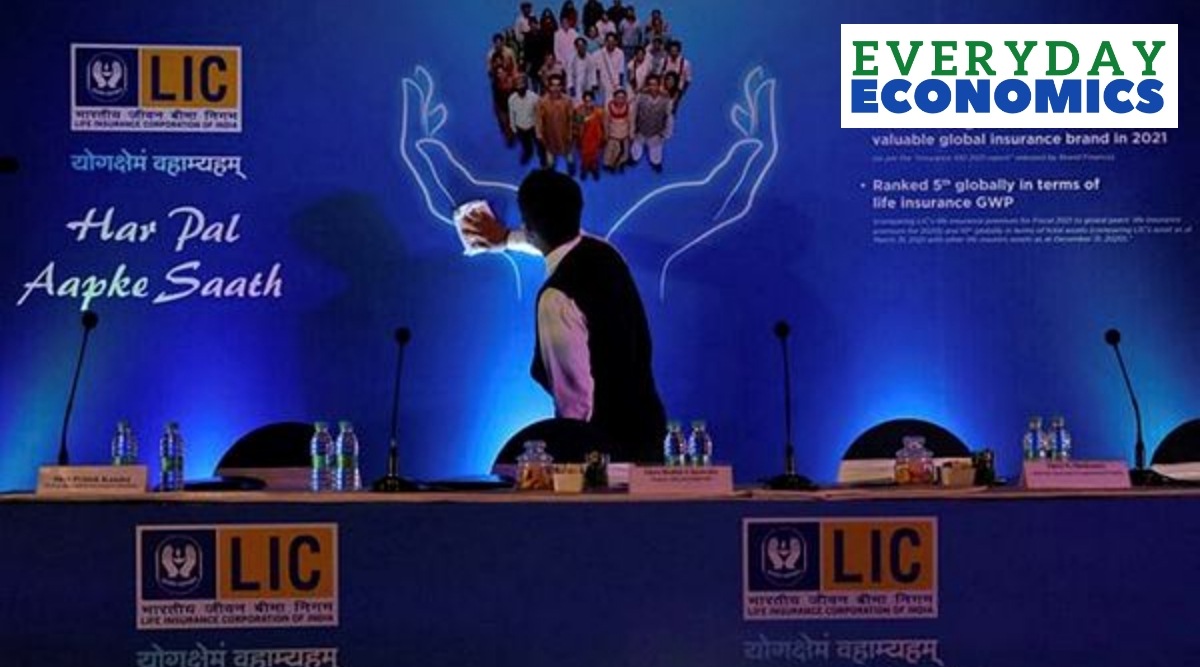 A man cleans a hoarding of Life Insurance Corporation of India (LIC) before the start of a news conference about the LIC initial public offering (IPO) launch, in Kolkata, India, April 29, 2022. (Reuters)
Domestic mutual funds invested Rs 4,002.27 crore, accounting for 71.12 per cent of the total anchor book portion of the initial public offering (IPO) of Life Insurance Corporation (LIC). SBI Mutual Fund invested Rs 1,006.89 crore, becoming the largest investor in the anchor book quota.
Anchor investors
An anchor investor in an IPO is a qualified institutional buyer (QIB) like a foreign portfolio investor or mutual fund or insurance company which invests before the IPO is made available to the public as per Sebi regulations.
As initial investors, they make the IPO process more attractive for investors, and instil confidence in them. Anchor investors also aid in price discovery of the IPO.
Anchor investors who get guaranteed allotment a day before the IPO opens to the public are normally allocated 60 per cent of the QIB quota. Companies with a profitable track record can allocate 50 per cent of the IPO to QIBs. The demand in the anchor category is an indication of the success of the IPO, according to analysts.
 LIC’s investors
LIC mobilised a total of Rs 5,627 crore from anchor investors on Monday (May 2). Four equity schemes of SBI mutual fund invested the amount, with SBI Equity Hybrid Fund alone putting in Rs 518.99 crore, according to data available from the exchanges.
Seven schemes of ICICI Prudential Mutual Fund invested Rs 725 crore. HDFC Mutual Fund was allocated shares worth Rs 525 crore. Aditya Birla Sun Life MF, Axis Mutual Fund, Kotak MF, L&T MF and Nippon India MF also invested in the anchor portion.
IPO pricing
LIC has priced its IPO in the range of Rs 902-949 per share. It has offered a discount of Rs 60 for policyholders and Rs 45 for retail investors and employees. The issue will open for retail investors on May 4 after the Eid holiday on May 3. Investors can bid for a minimum of 15 shares and thereafter in multiples of 15 shares.
The size of the IPO was cut from Rs 65,000 crore to Rs 21,000 crore as the Russian invasion of Ukraine and sustained selling by foreign investors sent the stock markets into a tailspin.
Sebi recently said the existing lock-in of 30 days would continue for 50% of the portion allocated to anchor investors and for the remaining portion, a lock-in of 90 days from the date of allotment will be applicable for all issues opening on or after April 1.
The change in the anchor lock-in rules was to avoid sell-off by anchor investors. For instance, shares of One97 Communications, the parent firm of Paytm, dipped sharply by 13 per cent on the day the mandatory lock-in period for anchor investors ended.
Newsletter | Click to get the day’s best explainers in your inbox