Journalism of Courage

A psychological thriller in the league of Gone Girl and The Girl on the Train.

This novel about a young Gujarati Muslim woman is a contemporary portrait of prejudice as well as hope.

The publicity about Watchman has ensured that the reader comes to the book fully aware that her hero has been morally shrunk into a bigot.

About an intellectual’s alienation in an oppressive culture, the novel was a critique of the country under Reza Shah’s rule.

EL James, a working model illustrating how social media can help hitherto unknown writers make a killing, came a cropper last week in the course of a Twitter stunt.

Author Anis Shivani on why his vision of Pakistan is one of optimism and energy.
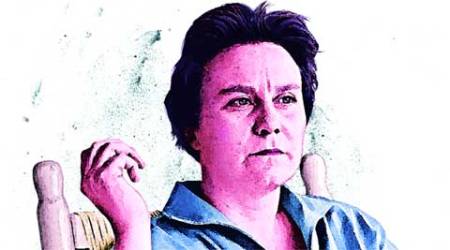
Whether or not the new Harper Lee novel disappoints, it is impossible to forget what her first novel meant to millions of readers. Author Parvati Sharma turns its pages again to find old friends, new meanings and questions for a more troubled time.
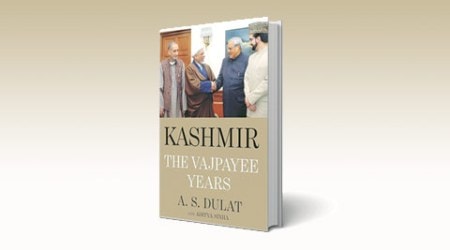
A former RAW chief’s account of his mission in Kashmir reveals that New Delhi has never been serious about substantial change.

Greece is the south of Europe, the Third World within the First World, forever playing catch-up with its more powerful neighbours.

At 420 pages, is it any wonder that the reader reaches the end of the road long before the story does?
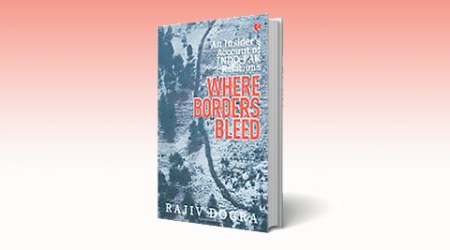
A former IFS officer’s account of Indo-Pak relations has no new revelation to make.
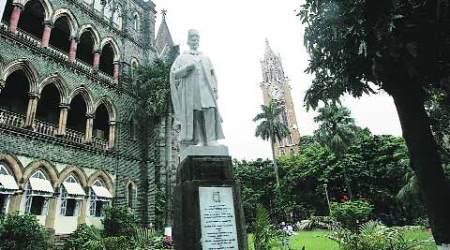
A competent history of the judiciary in Bombay under British rule.
A fictional account of the life, love and lyrics of Sanskrit poet Bhartrihari.
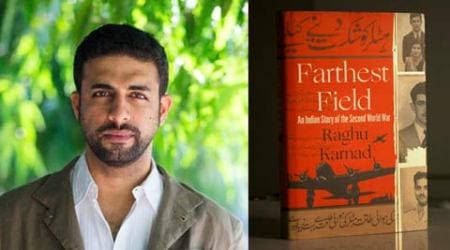
Farthest Field, which features Karnad’s grand-uncle from his earlier essay Everybody’s Friend, is about a marginalised community in Indian military discourse — the Parsis.

Grover, in Manhattan, offers readable bites of advice, case studies from his 20 years working with families and personal stories of his own trials as the father of two girls, now 12 and 15.
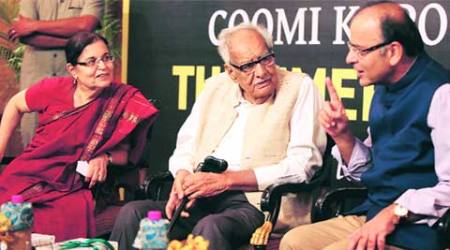
The launch of Coomi Kapoor’s book, The Emergency, made veterans of the dark hour look back.

The stack of ages had been cleft, so to speak, exposing a long-forgotten book titled Black Rage. The inscription on the fly-leaf read, “San Francisco, Jan 8, 1969”.

Nalin Mehta’s well-researched book bemoans a lack of vision and blames economic compulsions, but is much too kind to those running the industry .
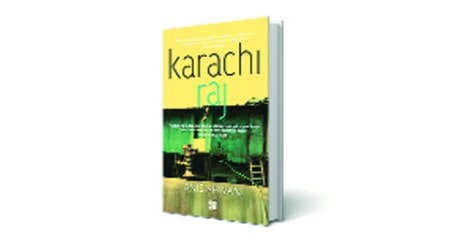
A novel gives voice to the inhabitants of a slum in Karachi.
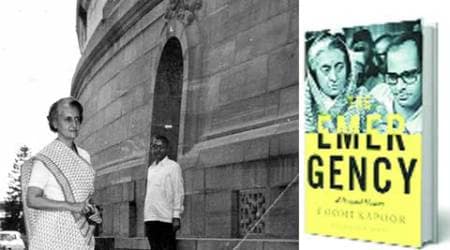
A chilling account of how they ganged up to take democracy away from India.

Amish Tripathi says it is sad that the wonderful and rich mythologies of Greece, Rome and the Vikings have been reduced to mere stories.

There are only 31 copies of the book, which was released by Australian publisher Millennium House in 2012. The state library copy is the only one in Australia.
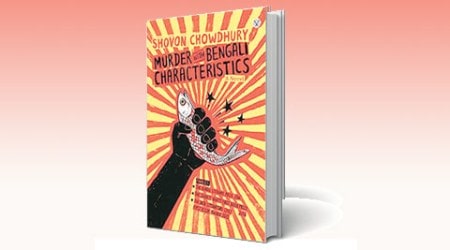
A speculative murder mystery, more a satire about a brave new futuristic world than a crime fiction.
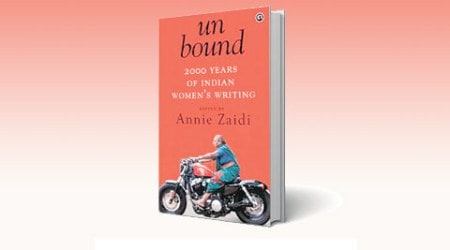
To represent the immense variety of texts produced by Indian women over the last 2,000 years — in 350-odd pages — is no mean feat.
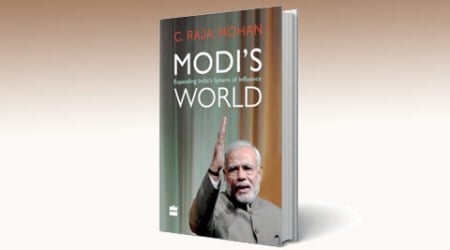
A sharp analysis of India’s challenges in navigating a rapidly transforming regional and international landscape under Narendra Modi.