Journalism of Courage
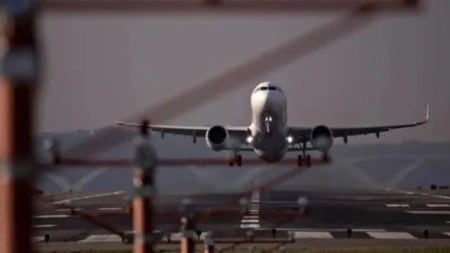
While China’s size as an aviation market is notably bigger than India, the pace of the latter’s growth is expected to gather pace amid rapidly growing air travel demand from a massive population base whose per capita air travel is low, which in turn points to a significant growth potential.
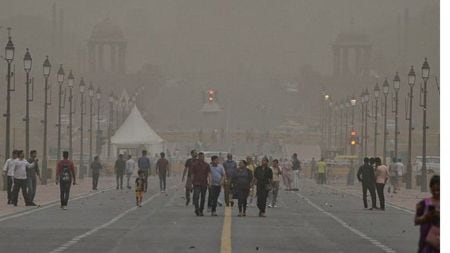
As IGIA is the country’s largest airport and a major hub for India’s main airline groups, any significant disruption in flight operations usually leads to a network-wide cascading impact on flight operations.
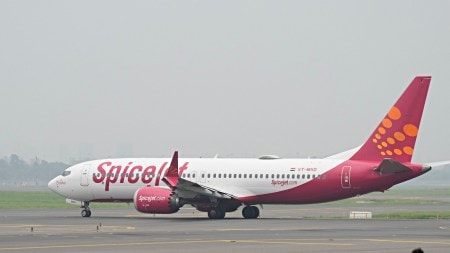
Apart from Pune, the airline’s expansion includes new flights linking Ahmedabad to Srinagar and Bengaluru to Goa, as well as introducing three new destinations:
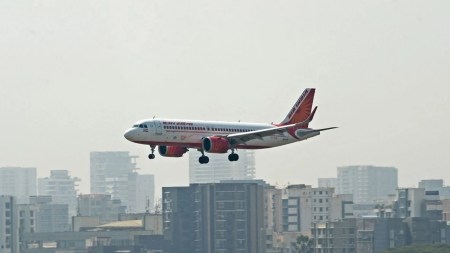
Currently there is no direct flight service between the two countries and flyers have to transit via airports in Southeast Asia and Australia with an overall travel duration of around 17 hours or more.
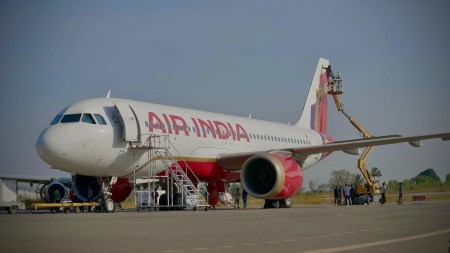
The retrofit of the 27 legacy narrow-body planes began in September last year and is expected to be completed by the July-September quarter.

Sakthi group, Austria’s Diamond Aircraft join hands for made-in-India single-engine planes for flying schools.
In addition to the damp-leased aircraft that has already been inducted by IndiGo, the airline will be taking three more Boeing 787-9 jets from Norse Atlantic on damp lease in the second half of this year.

The partnership with Sula Vineyards reflects IndiGo’s focus on providing a premium, yet accessible experience for passengers, ensuring that travellers enjoy both comfort and luxury during their flights.

The Airports Economic Regulatory Authority of India (AERA) is currently in the process of determining the aeronautical tariff for IGIA for the five-year period ending March 31, 2029.
IndiGo has been making concerted efforts as part of its strategy of internationalisation, which entails a rapid expansion of its international network—including foraying into the long-haul segment—given the robust overseas travel demand from India.
The airline currently has no direct flight to any destination in the European Union, but has been looking to deploy flights to the continent for a while.
Delays were caused between 6-7 am and incoming international services from destinations, including Muscat and Dubai were diverted to nearby Tirupati and Hyderabad airports, officials said.

According to the Ministry of Civil Aviation (MoCA), SpiceJet is set to launch flights between Prayagraj and Delhi, Chennai, Guwahati, Bangalore, Ahmedabad, Mumbai, Jaipur, and Hyderabad, adding around 43,000 seats in February.
Resumption of direct flights and normalisation of visa issuances — demands China has been making over the past couple of years — are expected to come up in Foreign Secretary Vikram Misri’s discussions with Beijing during his visit, which begins today.
The industry witnessed improved pricing power during FY24, reflected in the higher yields (over pre-Covid levels) and the revenue per available seat kilometre–cost per available seat kilometre (RASK–CASK) spread of the airlines.
According to airline’s chief commercial officer Nipun Aggarwal, the efforts, which include network expansion and realignment at the Air India group level and tweaking flight schedules to facilitate better flight connections, have started bearing fruit.
More than 50 Singapore Airlines flights over the two days (January 10-11) were delayed or re-timed due to the inclement weather, said a spokesman for the national carrier.
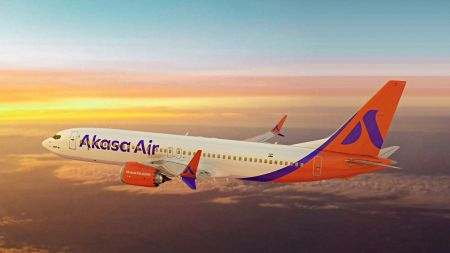
With over two decades of experience in the aviation industry, Belson has delivered multiple industry-first initiatives in Indian aviation, underpinned by his strong operational, strategic and leadership skills, Akasa said.
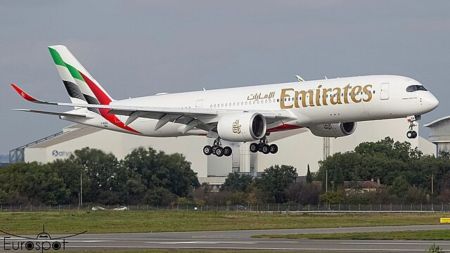
The inaugural flight, EK23, departed Dubai at 14:50 and landed in Edinburgh at 19:05 local time.
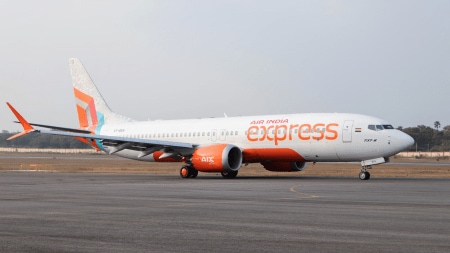
An Air India Express flight from Dubai made a precautionary landing at Karipur Airport near here on Friday after its pilot suspected a failure in the hydraulic system.
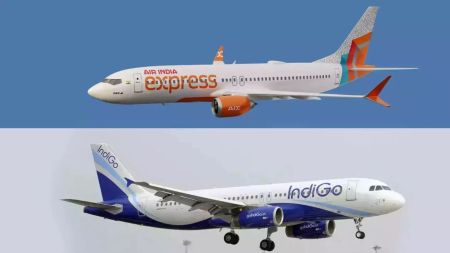
In the December quarter of 2024, the number of flights in both directions between India and the two countries rose 29.2 per cent year-on-year to 14,409

Friday’s action by the DGCA follows a series of fines imposed by the regulator on the fledgling airline in recent months, including those pertaining to lapses in pilot training.

Domestic air passenger traffic was at 142.52 lakh in November compared to 127.36 lakh in the same period a year ago.
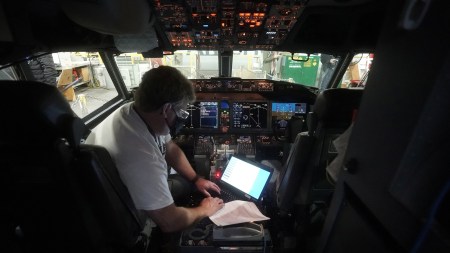
Airlines had been voicing concerns that quick implementation of the new rules—aimed at better fatigue management—would result in a requirement of many more pilots, whom they would not be able to hire and train in such a short period.
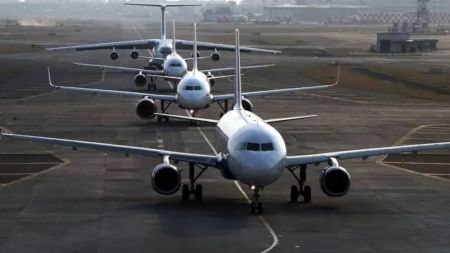
India is the world’s third-largest domestic aviation market, and also among the fastest-growing major aviation markets globally.


The grand audio launch of Thalapathy Vijay’ swan song, H Vinoth’s action thriller Jana Nayagan, took place in Malaysia on Saturday. As around 90,000 fans of the actor showed up, the actor acknowledged that after Sri Lanka, Malaysia has one of the largest Tamil populations in the world.