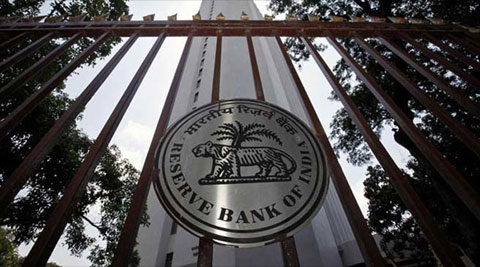

The contrast in monetary policy dilemmas faced by two central banks couldn’t be sharper. For the US Federal Reserve, sustained growth and the unemployment rate falling to a seven-year low of 5.1 per cent last month would logically point to the need to start raising interest rates. It is quite the opposite for the RBI. A protracted investment slowdown and warnings by Chief Economic Advisor Arvind Subramanian last week about the Indian economy being closer to “deflation territory” would ordinarily call for a sharp cut in interest rates. But the dilemmas inherent in taking what should be common-sense decisions only underline that these aren’t ordinary times.
Raising interest rates isn’t easy for the Fed when global median inflation is running below 2 per cent, while remaining below that targeted level even for the US. Can the US afford higher interest rates when much of the rest of the world is in deflation mode, and the central banks in Europe, China and Japan are looking at further monetary easing? The RBI can similarly point to the dangers of slashing interest rates now, when the monsoon has turned out to be deficient and its effects are already being felt in rising onion and pulses prices. Moreover, foreign institutional investors have, since July-end, pulled out some $3.25 billion from Indian equity and debt markets. Wouldn’t lowering interest rates trigger further outflows, more so in the event of the Fed opting to hike its funds rate for the first time since December 2008


