3 min read
📣 For more lifestyle news, click here to join our WhatsApp Channel and also follow us on Instagram
© IE Online Media Services Pvt Ltd



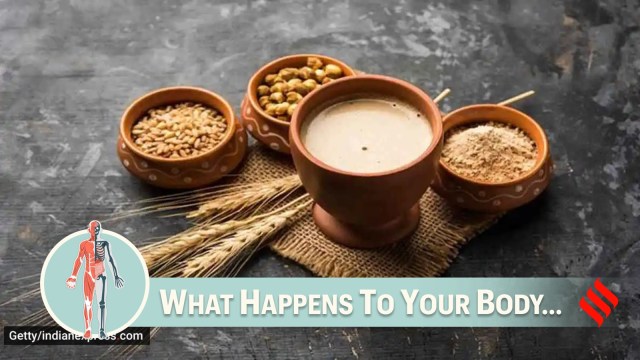 How much is too much? (Source: Getty Images/Thinkstock)
Most of us know about the benefits of sattu, a flour made of dry and roasted pulses and cereals. But is it suitable for consumption throughout the year? If you have also wondered about this, we may have an answer.
According to Ayurveda practitioner Dr Manisha Mishra, sattu, the “OG food for energy in Ayurveda and Ayurveda classics has rules” regarding its consumption to optimise nourishment.
“Sattu is a nutritious, complete meal. So if it is taken after a meal, it’s adhyashan (or overeating), leading to impaired digestive health,” noted Dr Mishra.
Notably, sattu, a popular traditional food in certain parts of India, is mainly made from roasted gram flour and is an excellent source of protein, fibre, and essential nutrients like iron and magnesium. Its cooling properties make it a favoured summer drink, often mixed with water, lemon, and spices.
Dr Mishra added that having it twice a day or in large quantities is not advised as one-time consumption is enough for sufficient nourishment, and excess use may cause dryness. “I have observed that sattu consumption at night leads to bloating. Ayurveda classics mention the excessive use of sattu as a cause of intestinal worms. Hence, 2- 3 tbsp should be enough to begin with,” said Dr Mishra.
Taking a cue, we decided to ask another expert about things to consider regarding sattu consumption.
 Too much consumption can cause bloating (Source: Getty Images/Thinkstock)
Dr Mahesh Gupta, senior consultant, medical gastroenterology, Dharamshila Narayana Hospital said moderation is key. “Consuming sattu in large quantities may lead to digestive issues, especially if you’re not used to high-fibre diets,” said Dr Gupta.
Dr Gupta says one should gradually incorporate sattu into their diet to avoid potential bloating or gas.
“Drinking plenty of water helps as sattu absorbs moisture and can cause constipation if you’re dehydrated,” said Dr Gupta.
View this post on Instagram
People with legume allergies should be cautious, as sattu is made from chickpeas. “Additionally, for those monitoring their carb intake, it’s worth noting that sattu, while nutritious, is still a significant source of carbohydrates,” said Dr Gupta.
Enjoying sattu in balanced portions as part of a varied diet ensures you get its benefits without any downsides, noted Dr Gupta.
DISCLAIMER: This article is based on information from the public domain and/or the experts we spoke to. Always consult your health practitioner before starting any routine.