Journalism of Courage
 5 min read


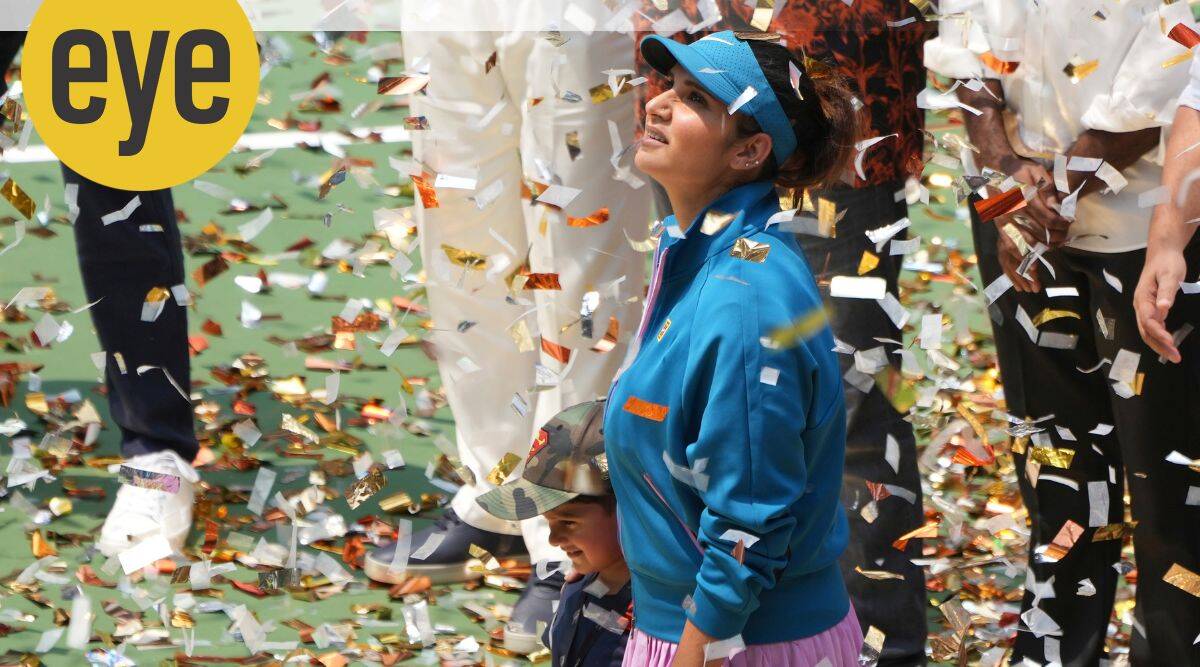 Indian tennis player Sania Mirza stands with her son during her farewell in Hyderabad, India. (AP)
 Sania Mirza: The girl who wouldn’t give up
Of the many adjectives and epithets that got assigned to her in news headlines, Sania Mirza frowned at “overnight sensation” the most. This was when she won Junior Wimbledon doubles in 2003 at the age of 17. Her peeve, she would tell the media a few years ago, was that she had been training for nine years starting from the time she was six years old. That headline plastered over the photograph of her holding the trophy aloft made invisible her hard work and her struggles.
What Abhishek Poddar’s museum in Bengaluru means for the Indian art scene
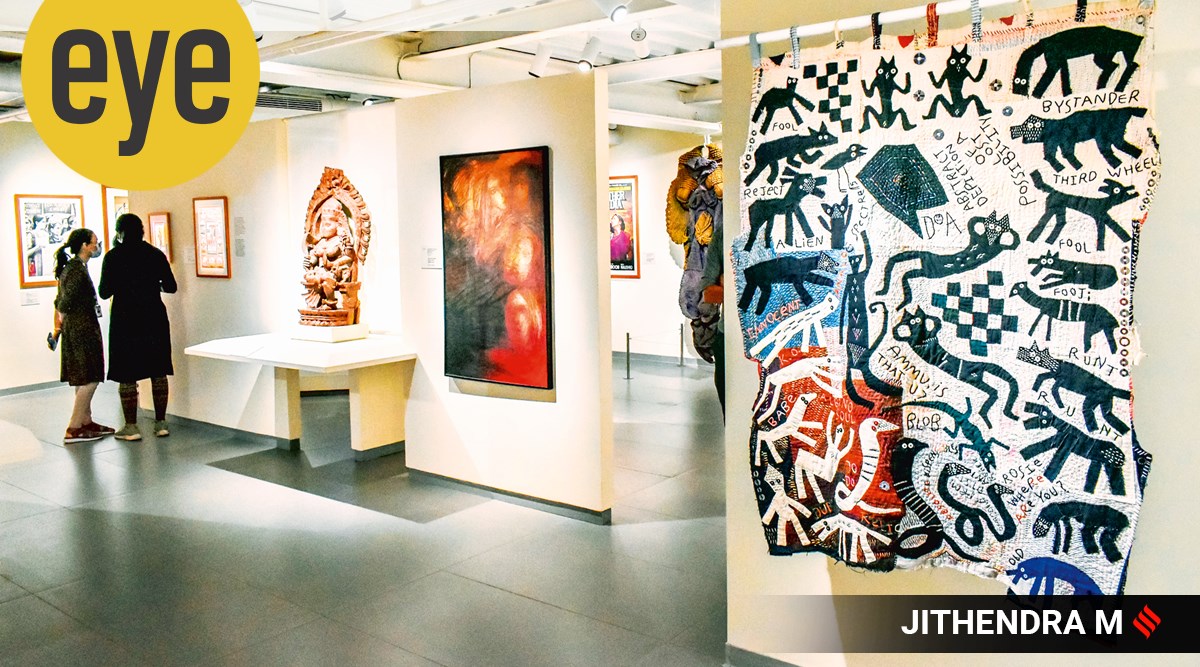 While the Museum of Art and Photography is equipped with spaces for artists and conservationists, it is also home to over 5,000 books (Credit: Jithendra M)
This was back in the 1980s. Abhishek Poddar wanted to gift his parents flowers on their silver jubilee anniversary. But this was no ordinary bouquet. The art collector had commissioned MF Husain, NS Bendre, Manjit Bawa, Arpita Singh, Bhupen Khakhar, Laxma Goud and KG Subramanyan, among others, to work their paintbrushes. “I thought of giving them flowers that would never wilt. I requested 25 leading artists to paint a flower each, of the same size, signifying each year of their marriage and framed them together to make a bouquet. Each artist produced a flower in their signature style, some even painted 25 petals and had 25 shades of colours,” says Poddar.
‘Indian cinema helped me understand myself and my roots’: Smriti Mundhra
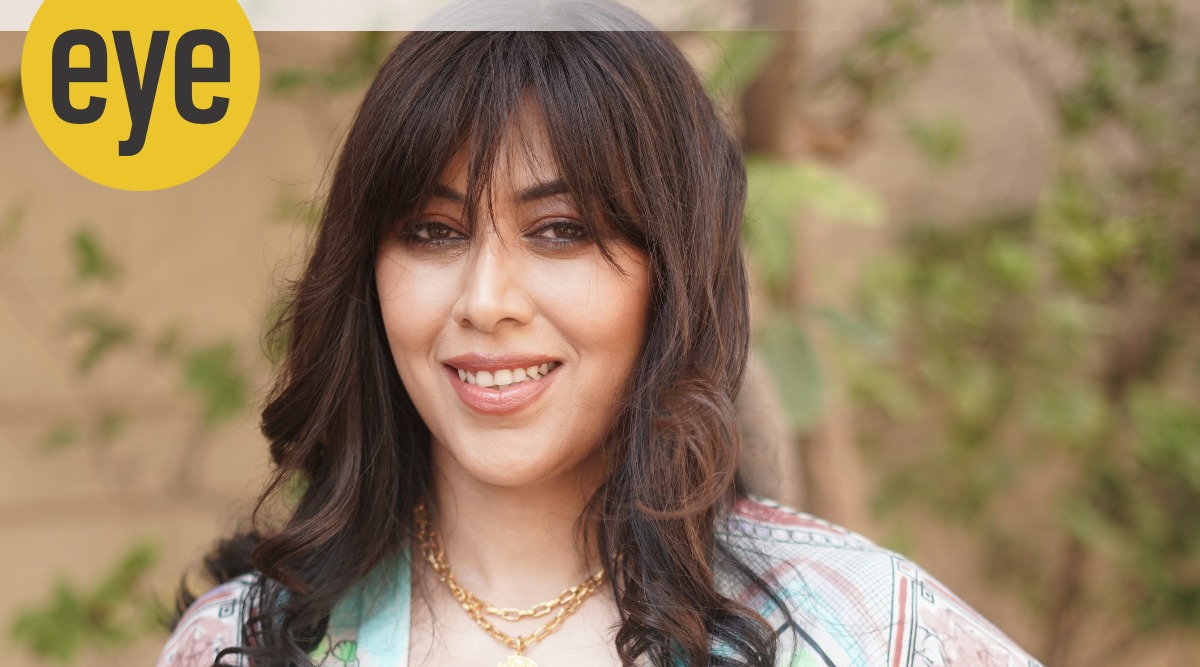 Through The Romantics Smriti Mundhra pays a star-studded tribute to Hindi cinema.
How does someone remain an Indian at heart and close to its culture even after spending most of one’s life outside the country? It was Smriti Mundhra’s deep love for Hindi cinema that did the trick for this Los Angeles-based filmmaker. “Indian movies were my connection to my home country though I was raised abroad. They not only helped me understand myself and my roots, but also shaped my worldview,” says Mundhra, director of Netflix series The Romantics.
READ MORE
Writer and cultural historian Tarana Hussain Khan captures the lost culinary traditions of Rampur in her food memoir
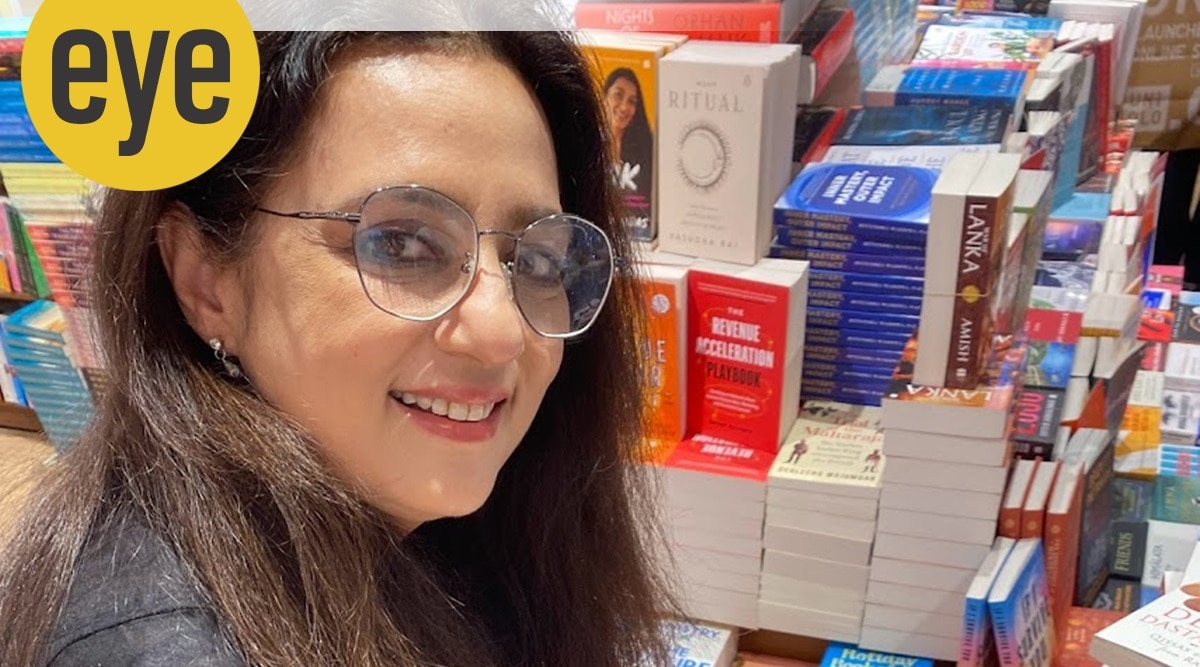 Tarana Hussain Khan (Courtesy: Damini Ralleigh)
“Do you even know Persian for the art of cooking,” the librarian asked the writer and cultural historian Tarana Hussain Khan, his disdain apparent in his tone, when she enquired about one of the best-kept secrets of the Raza Library in Rampur, Uttar Pradesh. Named after the nawab of the erstwhile princely state, Raza Ali Khan Bahadur, the library houses a rare selection of manuscripts, including a treasure trove of handwritten cookbooks in Persian that date back to the 19th century. It took a bit of cajoling, roping in the director of the library, and an assertion of her lineage — her grandfather, Abdul Khan Jaffar, belonged to the family of the first Rohilla settlers of Rampur and worked as the state’s engineer until it merged with the Indian Union in 1949 — for Khan to access them.
‘We take our cuisine for granted’: James Beard 2022 winner chef Chintan Pandya
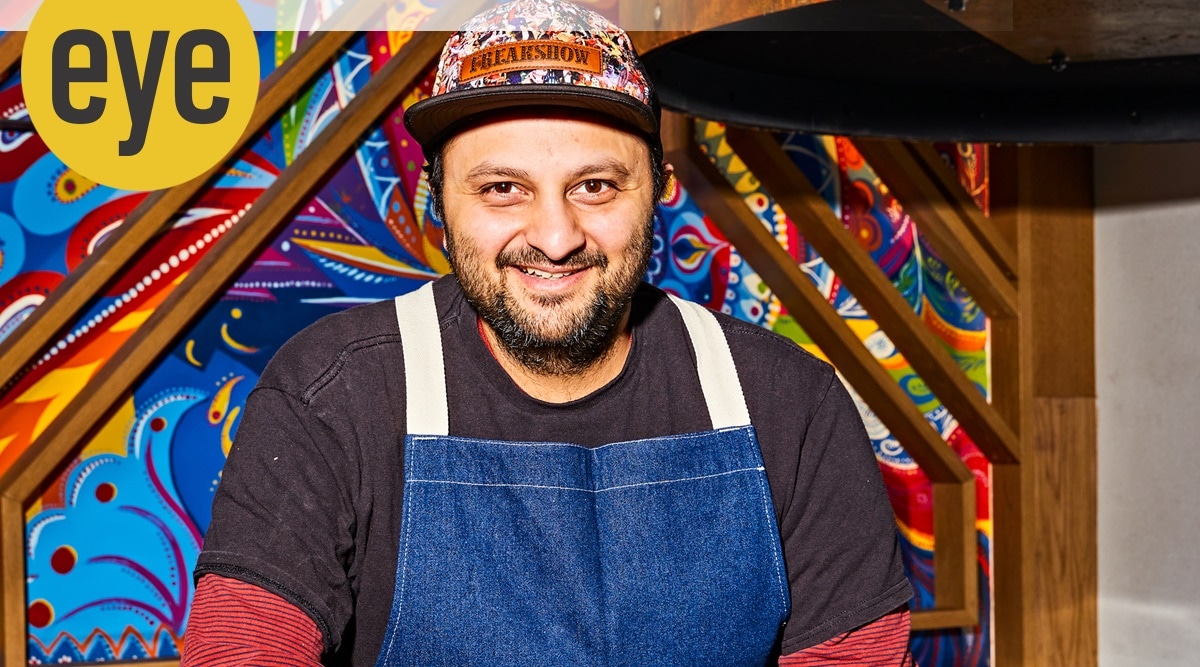 Chef Chintan Pandya (Courtesy of Unapologetic Foods)
Walk me through your growing up years and culinary philosophy.
I grew up in Mumbai in a regular middle-class Gujarati family. The food cooked at home was very simple. We didn’t own a dining table and would eat together on the floor. I loved street food like sevpuri and bhelpuri. Sundays were special as the whole family would go out to eat prasadam at the Iskcon temple in Juhu.
Where love was without boundaries
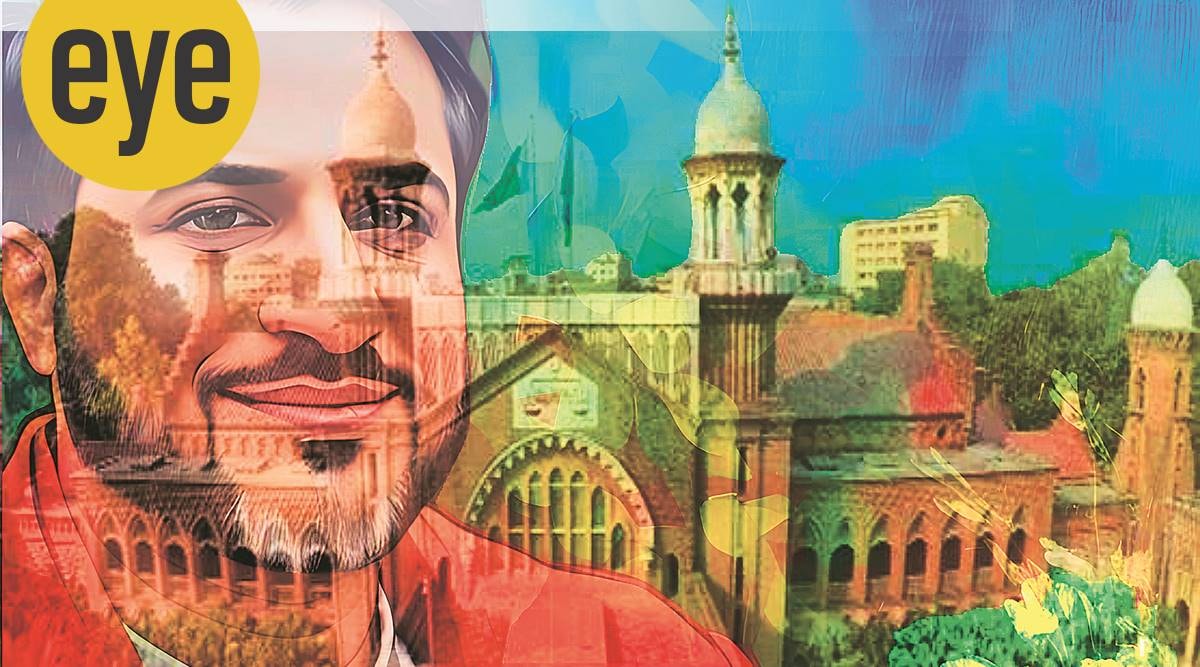 What I gained in my travel to the city of my grandfather’s heart, was a connection to my past, a fulfillment in my present. (Pic source: Suvir Saran)
Somewhere in Manhattan, New York City (NYC), lie pages from my diary when I was nine years old. They are full of ant-lines of connecting dots showing my thoughts; they hold my first poems and odes to some of my favourite teachers and classmates. I last remember reading them in my early thirties. And then in a move from one apartment to another, I either lost my diary or had it safely in a box. There are poems I wrote whose lines I remember, and some whose words evade me entirely, but the one I remember most is the epitaph I wrote, instructing my mother to use it on the stone placed atop my cremated ashes in Lahore, Pakistan, if I were to predecease her.
If there’s anyone truly atmanirbhar, it’s got to be a tree
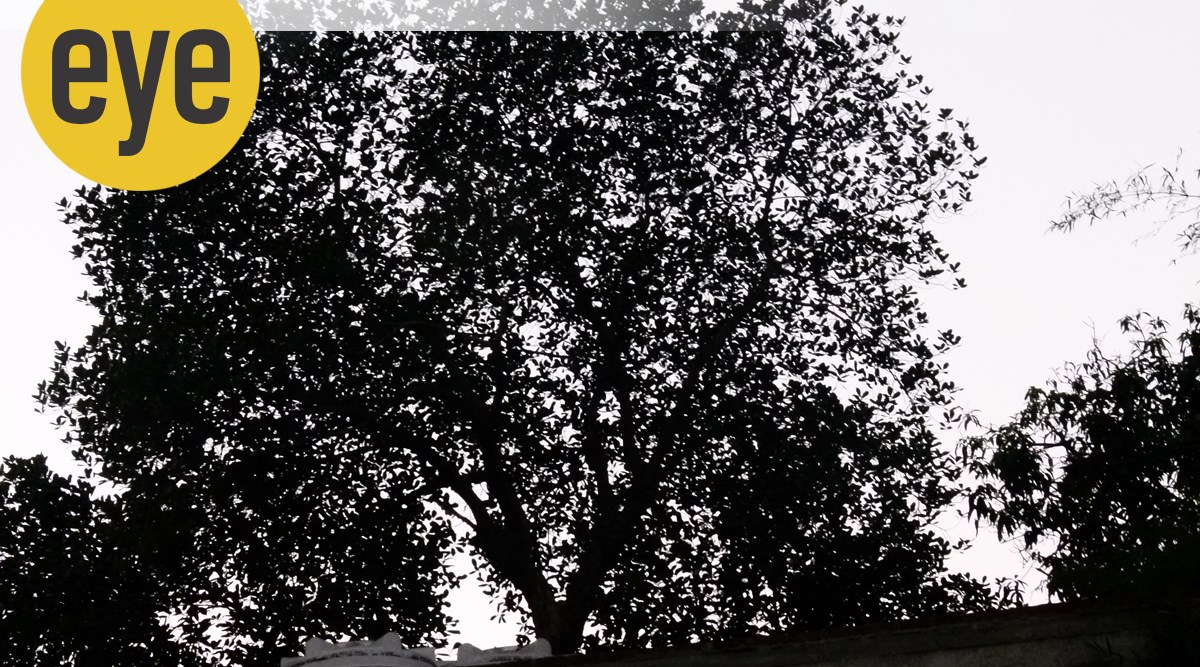 Tree of life (Credit: Ranjit Lal)
Recently, there was a news item about two or three trees that were seemingly coming in the way of fast-moving traffic on one of New Delhi’s arterial roads and posing a hazard. For this crime, they might either be chopped down, or transplanted elsewhere. More than anything, this symbolises our attitude to one of Mother Nature’s most astonishing wonders.