Premium
This is an archive article published on August 5, 2018

By The Book: Fact and Fiction

A curated list of recommendations for the young ’uns: This week, on biographies of Indian rulers and political icons. Here are a few historical biographies for children which tell the story as things were.

Here are a few historical biographies for children which tell the story as things were.
The first plastic surgery ever in India, even the first aeroplane aka pushpak rath; Humayun calling upon his father Babur on his deathbed to advise him on the cardinal rules of governing India — Indian history seems to be in the middle of a struggle for life against a barrage of alternative facts emerging out of contemporary political discourse. Here, though, are a few historical biographies for children which tell the story as things were:

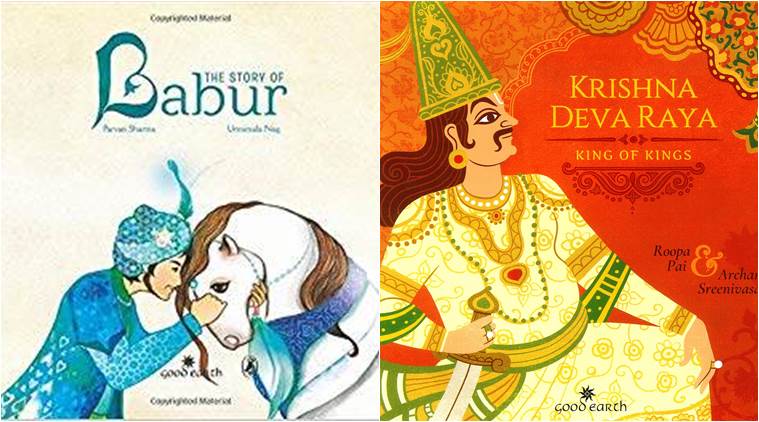
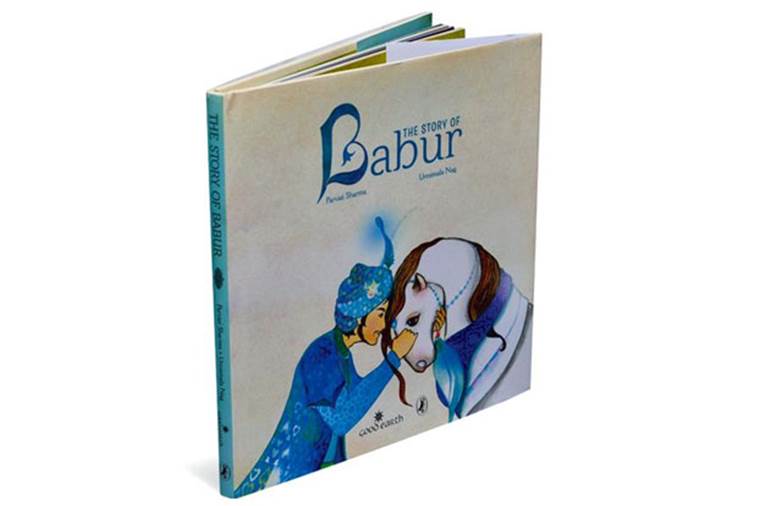
The Story of Babur (2015, GoodEarth, appropriate for 8+) by Parvati Sharma is based on Baburnama, the autobiography of Babur, the first of the Mughal dynasts to have ruled India. Thrust into the limelight by the untimely death of his father, Babur found himself to be the ruler of the Uzbek principality of Ferghana at 12. By the time he turned 15, in 1496, he had conquered Samarkhand. But the descendant of Chenghis Khan and Amir Timur did not have it easy. Before he would become the lord of Hindustan, he would lose battles and live a fugitive’s life in the forests of central Asia. Urmimala Nag’s miniature-style illustrations bring to life Sharma’s deeply engaging and well-researched narrative of the boy who would be one of the greatest rulers of the subcontinent.

Away from Delhi, the Deccan was also the playing field of mighty rulers and dynasties. One such was Krishna Deva Raya, the third ruler of the Tuluva dynasty, who reigned over the coveted Vijayanagar empire between 1509-1529. Under his able generalship, threats from the Bahamani Sultans and the Gajapatis of Odisha were neutralised and Hampi, his capital, became a centre of culture and eminence. In Roopa Pai’s Krishna Deva Raya: King of Kings (2018, Good Earth, appropriate for 8+), the narrative unfolds through the voice of the monarch’s imagined daughter and great-granddaughter. Part of the story is also told through Krishna Deva Raya’s voice himself. But this imaginative liberty does not tamper with historical details. Pai provides a map and timeline to situate the king firmly in his historical milieu. Archana Sreenivasan’s illustrations are vibrant and are based on the temple art of Lepakshi.

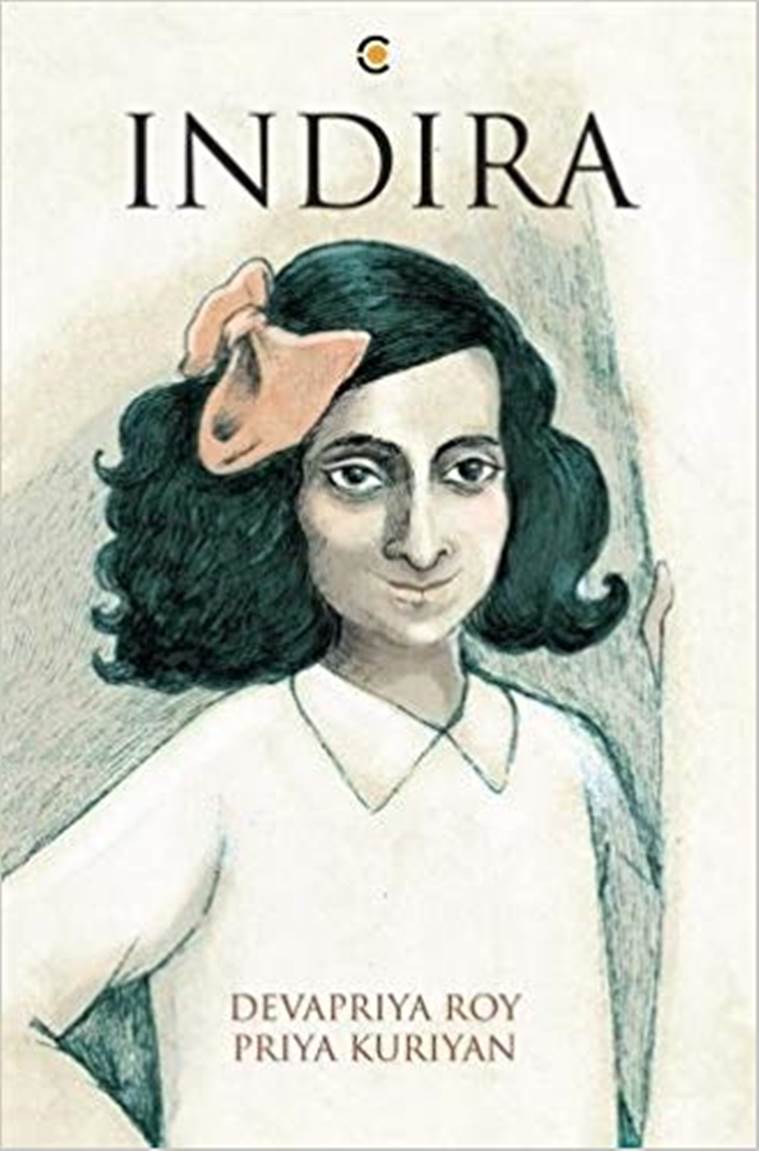
How can the story of a well-documented life be told anew? A labour of intensive research, Indira (2018, Context, appropriate for 10+), by Devapriya Roy and Priya Kuriyan, looks at the life of India’s first woman prime minister, Indira Gandhi. Told in a graphic novel format and through a framing novella, the book segues into the biography when Indira Thapa, a young schoolgirl, is assigned an oral history project to examine the origin of her name. Kuriyan’s meticulous artwork captures facets of Mrs Gandhi’s life often ignored in mainstream biographies — her attention to her wardrobe, her love for wildlife and how doting she was as a grandparent. The writers also dwell on the controversies that mired her life — Operation Blue Star and the Emergency — and even the violence that ensued after her assassination.

Feisty and irreverent — she nicknamed Mahatma Gandhi Mickey Mouse — Sarojini Naidu nee Chattopadhyay was a woman much ahead of her time. A poet, an advocate of women’s rights and a gifted singer, Naidu joined the freedom movement at the behest of Gopal Krishna Gokhale, going on to become the first woman President of the Indian National Congress, and, later, the governor of Uttar Pradesh in independent India. In Anu Kumar’s Sarojini Naidu: The Nightingale and the Freedom Fighter — What Sarojini Naidu Did, What Sarojini Naidu Said (2014, Hachette India; appropriate for: 6+), a picture of Naidu as a spirited young girl, and later, as a skilled orator emerges, a person who never let her frequent ill-health impede her zeal for her many socialistic activities.

Puffin Books’s Junior Lives series by Sonia Mehta covers a range of Indian personalities from Mother Teresa to Rani Lakshmibai to Gautam Buddha. Junior Lives: Mahatma Gandhi (2017, appropriate for: 6+) is the second book in the series that explores the many facets of Gandhi — from a lawyer to a social reformer to a freedom fighter to one of the most enduring of global icons. Mehta breaks down Gandhi’s life and teachings to its basic tenets — his emphasis on non-violence, his insistence on treating fellow humans with dignity and his unique brand of pacifist nationalism. The text is interspersed with reproductions of letters and illustrations and is an interesting glimpse into the life of the Mahatma.

Paromita Chakrabarti is Senior Associate Editor at the  The Indian Express. She is a key member of the National Editorial and Opinion desk and  writes on books and literature, gender discourse, workplace policies and contemporary socio-cultural trends. Professional Profile With a career spanning over 20 years, her work is characterized by a "deep culture" approach—examining how literature, gender, and social policy intersect with contemporary life. Specialization: Books and publishing, gender discourse (specifically workplace dynamics), and modern socio-cultural trends. Editorial Role: She curates the literary coverage for the paper, overseeing reviews, author profiles, and long-form features on global literary awards. Recent Notable Articles (Late 2025) Her recent writing highlights a blend of literary expertise and sharp social commentary: 1. Literary Coverage & Nobel/Booker Awards "2025 Nobel Prize in Literature | Hungarian master of apocalypse" (Oct 10, 2025): An in-depth analysis of László Krasznahorkai’s win, exploring his themes of despair and grace. "Everything you need to know about the Booker Prize 2025" (Nov 10, 2025): A comprehensive guide to the history and top contenders of the year. "Katie Kitamura's Audition turns life into a stage" (Nov 8, 2025): A review of the novel’s exploration of self-recognition and performance. 2. Gender & Workplace Policy "Karnataka’s menstrual leave policy: The problem isn’t periods. It’s that workplaces are built for men" (Oct 13, 2025): A viral opinion piece arguing that modern workplace patterns are calibrated to male biology, making women's rights feel like "concessions." "Best of Both Sides: For women’s cricket, it’s 1978, not 1983" (Nov 7, 2025): A piece on how the yardstick of men's cricket cannot accurately measure the revolution in the women's game. 3. Social Trends & Childhood Crisis "The kids are not alright: An unprecedented crisis is brewing in schools and homes" (Nov 23, 2025): Writing as the Opinions Editor, she analyzed how rising competition and digital overload are overwhelming children. 4. Author Interviews & Profiles "Fame is another kind of loneliness: Kiran Desai on her Booker-shortlisted novel" (Sept 23, 2025): An interview regarding The Loneliness of Sonia and Sunny. "Once you’ve had a rocky and unsafe childhood, you can’t trust safety: Arundhati Roy" (Aug 30, 2025): A profile on Roy’s recent reflections on personal and political violence. Signature Beats Gender Lens: She frequently critiques the "borrowed terms" on which women navigate pregnancy, menstruation, and caregiving in the corporate world. Book Reviews: Her reviews often draw parallels between literature and other media, such as comparing Richard Osman’s The Impossible Fortune to the series Only Murders in the Building (Oct 25, 2025). ... Read More

 

Latest Comment
Post Comment
Read Comments
Advertisement
Advertisement
Advertisement
Advertisement