3 min read

Journalism of Courage



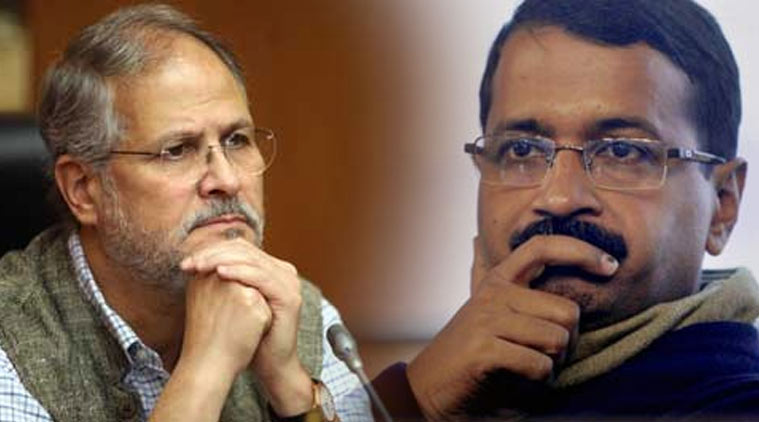 Lt Governor Najeeb Jung and Chief Minister Arvind Kejriwal. (Source: Express Archive)
Why has the Delhi Commission for Women (DCW) been in the news?
Most recently, over the appointment of Swati Maliwal as chairperson in the midst of the turf war between Lieutenant Governor Najeeb Jung and Chief Minister Arvind Kejriwal. Jung put a question mark on the appointment, telling the Delhi government that his office had not been consulted. Maliwal claimed she had been told to stay away from the DCW, which the LG’s office denied. Kejriwal took strong exception to an alleged reference by the LG to himself as “the government” in Delhi, but ultimately sent the file on Maliwal’s appointment to Jung. The LG cleared it, but wrote that it was “not based on your (Kejriwal’s) assertions”. Maliwal assumed office on July 28.’
[related-post]
So, how is the DCW chief appointed?
It is a political appointment, and the state government picks its nominee for the post. Maliwal, a social worker, has been a close aide of the CM for nearly a decade, and was Advisor (Grievance) in the Delhi government. The previous chairperson, Barkha Singh, was a Congress leader, whose tenure was littered with allegations of the DCW being used as a political tool. In May, DCW member Juhi Khan quit in the middle of a press conference in protest against the Commission’s “politically motivated” decision to summon AAP leader Kumar Vishwas. Some days later, Singh summoned AAP leader Somnath Bharti after his wife accused him of domestic violence, a move AAP decried. Whatever decisions Maliwal takes during her tenure are likely to be seen through the prism of her long association with Kejriwal.
What are the powers of the Commission?
The Commission came into being with the DCW Act of 1994. It is supposed to investigate and examine matters related to the safeguarding of women’s rights. The Commission has the powers of a civil court to the extent that it may summon and enforce the attendance of a person before it, receive evidence on affidavits, and issue orders to examine witnesses and documents. It is, however, largely a recommendatory body, all of whose reports must be laid before the Legislative Assembly. The jurisdiction of the DCW is the National Capital Territory of Delhi.
What is the structure of the DCW?
Besides the chairperson, five other members are nominated by the government, apart from a member secretary who is “an expert in the field of management, organisational structure or sociological movement, or an officer who is a senior officer of an All India Service”. The DCW gets grants from the Delhi government.