


© The Indian Express Pvt Ltd
Tags:


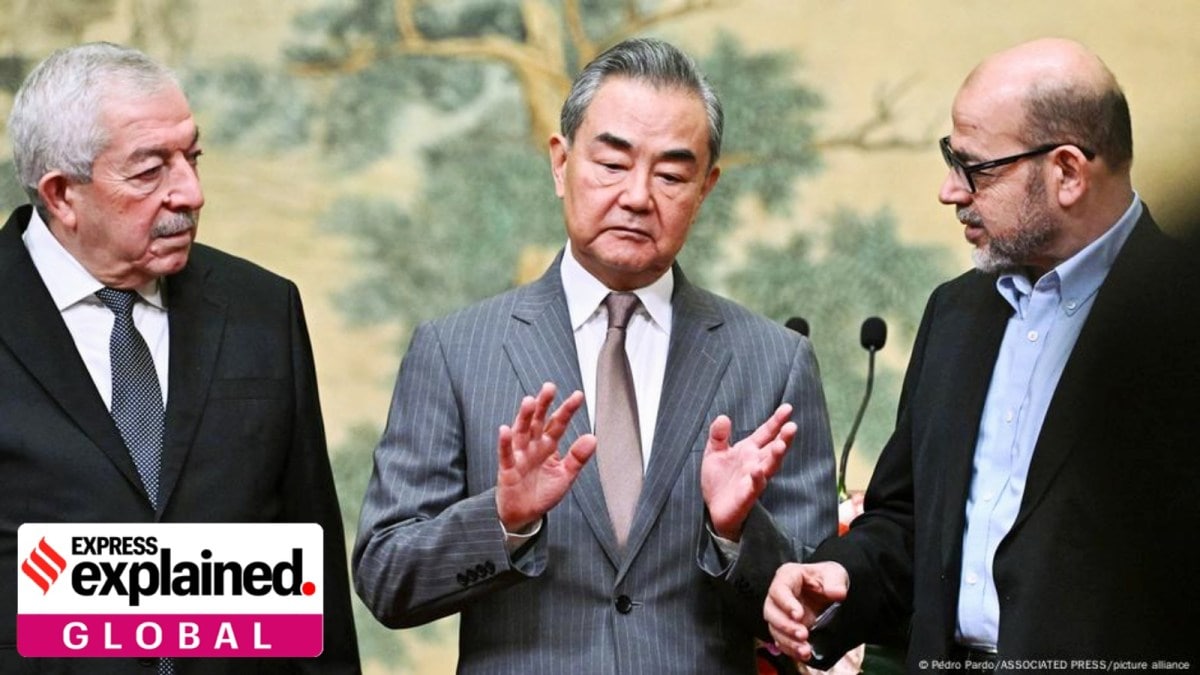
Leaders of Palestinian groups Hamas and Fatah signed a China-brokered declaration in Beijing on Tuesday (July 22), “pledging to end division and strengthen unity”. The two groups have competed in the past over the political leadership of Palestinian territories.
Representatives of 12 other Palestinian groups also participated in three days of talks. Foreign Minister Wang Yi said on closing day that “The most important consensus reached in the talks was for the reconciliation and unity of the 14 factions, with the core outcome being that the Palestine Liberation Organization is the sole legitimate representative of all Palestinian people.”
State media website China Daily said, “The declaration proposes hosting an international conference with broad participation and full authority. It also calls for achieving comprehensive national unity, which would include all Palestinian factions within the framework of the Palestine Liberation Organization, and establishing an independent Palestinian state with Jerusalem as its capital.”

Who are these groups and what is the significance of the declaration being signed in China? We explain.
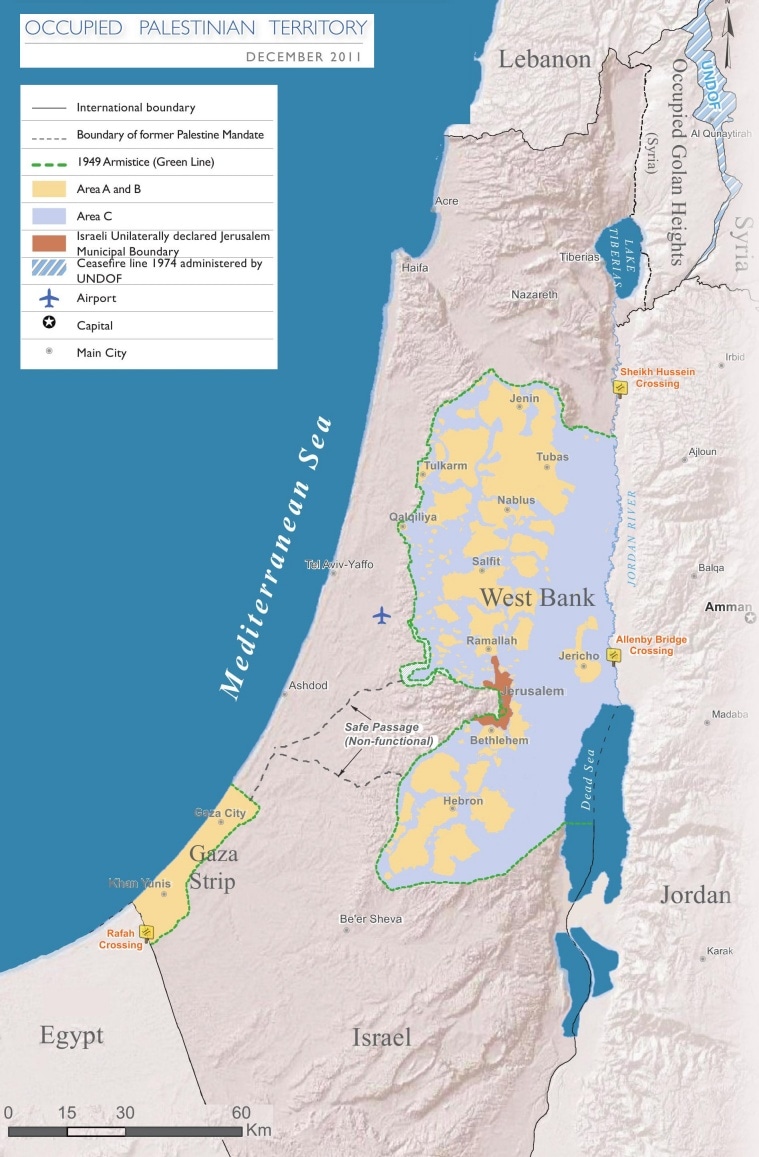
Hamas and Fatah are major political groups in Palestinian territories, that is the Gaza Strip and the West Bank. Hamas is in power in Gaza, while Fatah heads the Palestinian Authority which governs some parts of the West Bank. Most of the West Bank is under Israeli control.
Hamas emerged as a resistance group against Israeli occupation after the First Intifada or uprising in 1987. There was dwindling faith among many about the prospects of Palestinian goals for independence being met at the time, and Hamas advocated the use of violence.
Prior to it, Fatah was established in the 1950s by Palestinian leader Yasser Arafat. It became the most powerful organisation in the Palestinian Liberation Organisation (PLO), created in 1964 to unite Palestinian groups. PLO is also the representative of Palestine at various international organisations and Hamas is not a part of it. While they initially lodged strong opposition to Israel and employed tactics such as attacks on Israelis, that stance softened over time, around the 1990s.

How have their positions shifted over time?
Hamas and Fatah are often differentiated based on their approaches to the Palestinian movement. For Hamas, the recognition of Israel means conceding the right to Palestinian statehood. Its Islamist positions also contrasted against the secular Fatah.
In 2007, Hamas came to control Gaza after winning the elections with around 44% of the votes. Fatah came second, at 41%. Mustafa Barghouti, a Palestinian politician, told CNN after the results came out, “Mostly, they were voting for opposition and voting against Fatah — against corruption, against nepotism, against the failure of the peace process, and against the lack of leadership.”
For a long time, Hamas championed a hardline stance on Jews. But by 2017, its new charter said it was against the “racist, aggressive, colonial and expansionist” aims of the Zionist project, but not against Judaism or Jews.
This shift has been observed in recent years as the Palestinian issue began to lose prominence in Middle East politics. More and more Arab states have signed trade agreements and normalisation agreements with Israel, giving it increased legitimacy.
What is the significance of this declaration?
The Hamas attacks against Israel on October 7 followed Israel’s military campaign in the Gaza Strip, and since then there has been no resolution to the brutal conflict. More than 39,000 people have been reportedly killed in Gaza according to the region’s health ministry.
The lack of a Palestinian representative, who enjoys support among all parties, has been cited as a reason behind the slow progress on establishing peace. Israel, for instance, views Hamas as a terrorist group which needs to be completely destroyed. The US has also repeatedly condemned Hamas.
In this scenario, China has attempted to present itself as a mediator with “no selfish interests in the issue” and “a staunch advocate of justice and fairness”, as FM Wang Yi stated. But its engagement with Palestinian leadership also comes from its long-standing support for Palestine. China was one of the first countries to recognise the PLO and the State of Palestine.
After the October 7 attacks, China’s Foreign Ministry spokesperson Mao Ning said, “As a friend to both Israel and Palestine, what we hope to see is the two countries living together in peace… The key to achieving that lies in the realisation of the two-state solution and establishment of an independent State of Palestine.”
It also comes after another deal China negotiated in 2023 between regional rivals Saudi Arabia and Iran. China has attempted to position itself as a reliable partner for the Middle East and as an alternative to the United States’ role so far. Its significant economic heft also allows it to form trade ties that supplement diplomatic relationships.
However, whether the declaration can result in a lasting impact on stability in the region remains to be seen. Hamas and Fatah have earlier said they will work together but such deals have fallen apart over internal disagreements.


