Journalism of Courage
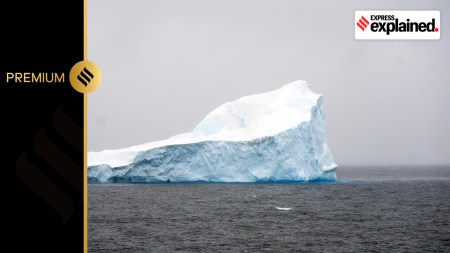
As a large economy and the third-largest emitter of greenhouse gases, India is an influential voice for developing countries at the annual COP events. Over the years, New Delhi has become more assertive and proposed some key measures. Here's a look.
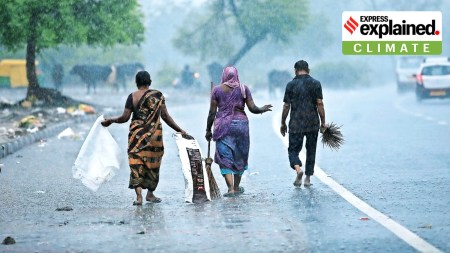
At least 27 people have died due to recent lightning strikes in the state. The IMD has attributed the flashes to three weather systems. We explain how this has contributed to heavy rains in parts of northwestern India.
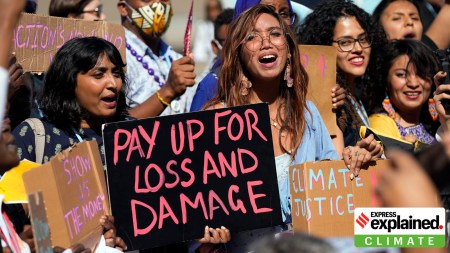
The 28th edition of the Conference of the Parties (COP) will begin in Dubai on November 30. Here is a look at the key terms that you might come across.
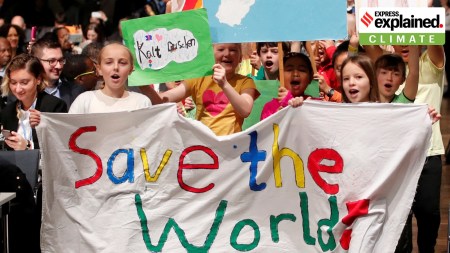
COP 28: The annual conference takes place to discuss a global agreement to cut emissions of greenhouse gases in the atmosphere, the main reason why average global temperatures have been rising.

The Gulf countries are marching ahead with an ambitious domestic transition to renewable energy. But there is little chance they will stop exporting fossil fuels any time soon.

Emissions are rising, there's not enough money to deal with a worsening climate, and its harmful effects become more apparent every day. What's the way ahead?

The World Meteorological Organisation says one of the next four years — perhaps 2023 itself — will almost certainly breach the 1.5 degree Celsius threshold.
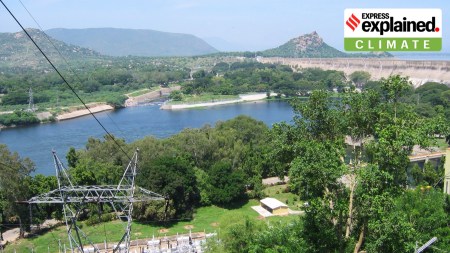
October over southern peninsular India remained the sixth driest in 123 years. The collective reservoir stocks have already fallen below 50 per cent in November. Why has this happened and what could the impact be?

The deal comes at a pivotal moment for the United States, the biggest climate polluter in history, and China, currently the largest polluter. Together, they account for 38% of the world’s greenhouse gases.

Climate change-linked extreme weather events have become more common as well as more severe. A study sheds light on their profound impact on ecosystems, especially on native species.
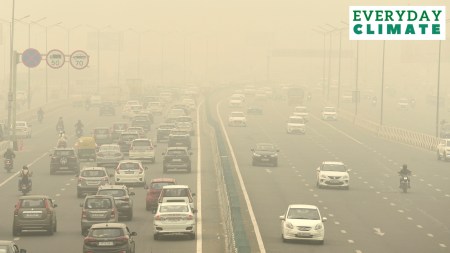
The air quality in Delhi has plummeted to hit the ‘severe’ category for the first time this season, with the AQI breaching the 400 mark.
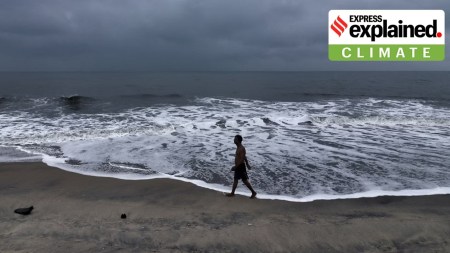
This is the eighth year in a row that monsoon rainfall in India has been broadly in the normal range. But behind this figure lie sharp regional as well as daily variations. Climate change is one reason behind this
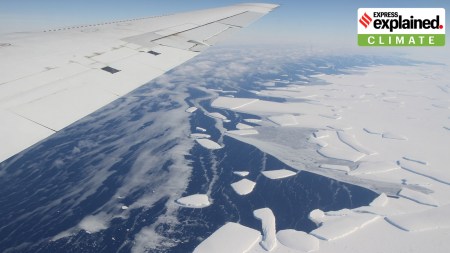
The rapid melting of ice sheet in West Antarctica is now unavoidable, according to a new study. What is an ice sheet? Why does its melting matter? Is all hope lost?

Sea breezes in coastal Mumbai long protected its air quality. But since last year, this geographical advantage is weakening. In part, this is because of local weather conditions. The bigger issue, however, is the rising pollution.
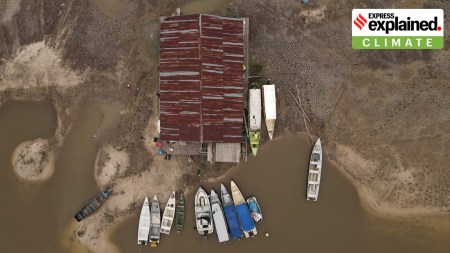
Hundreds of fish dead, no drinking water, food or other supplies — the latest spell of drought in the Amazon rainforest has disrupted the lives of tens of thousands of Indigenous people. What's the cause behind it?
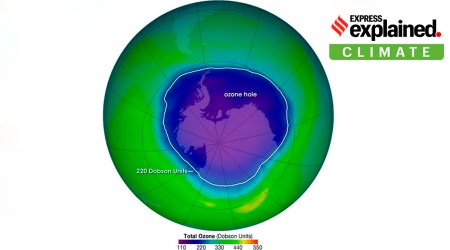
The ozone hole over Antarctica is one of the biggest on record, roughly three times the size of Brazil. It's a natural phenomenon, but scientists are concerned climate change could begin reopening ozone holes.

September joins several other months of 2023 in breaking temperature records. Why has this year been so warm, and what is expected in the months ahead?
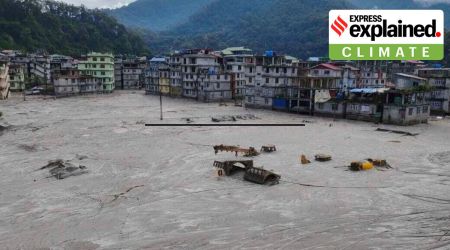
Spearheaded by the IMD, the National Framework for Climate Services will allow India to meet the ever rising challenges posed by climate change.
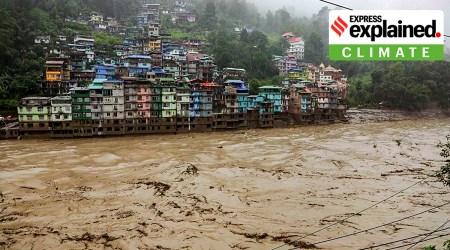
Flash floods occurred in north Sikkim after the South Lhonak Lake burst due to incessant rains. For years, numerous studies highlighted the lake’s rapidly growing size and marked it as susceptible to glacial lake outburst flood.

Suresh Babu, Professor at the School of Human Ecology and Director of the Centre for Urban Ecology and Sustainability at Dr B R Ambedkar University, Delhi, provides insights on the selection of plant species employed in greening projects in India.
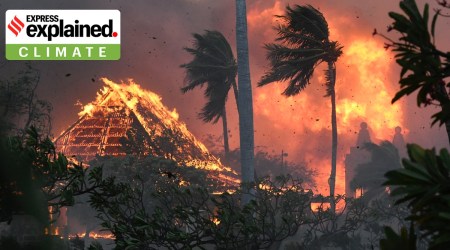
A new study has found that most of the planetary boundaries have been breached because of human activities. Katherine Richardson, professor of biological oceanography at the University of Copenhagen and lead author of the study, answers five questions about planetary boundaries and their significance.
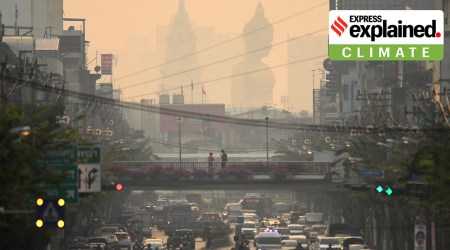
Out of the nine planetary boundaries, humans have breached six. It means Earth’s life-support systems have been driven far away from the safe operating space for humanity that existed during the Holocene period.
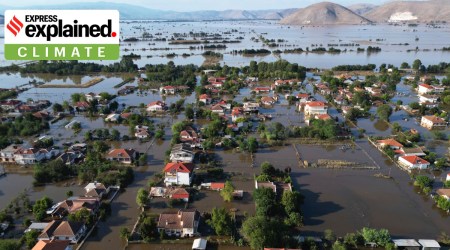
A Mediterranean storm called Daniel led to floods in Libya, Greece and Turkey, and other similar events were witnessed in Brazil and China. While it can be tempting to see the deluge in different regions as a direct consequence of climate change, confirming its role in such phenomena is a tricky endeavour.

G20 countries have committed to work towards tripling global renewable energy capacity by 2030. Several challenges make achieving the target difficult.
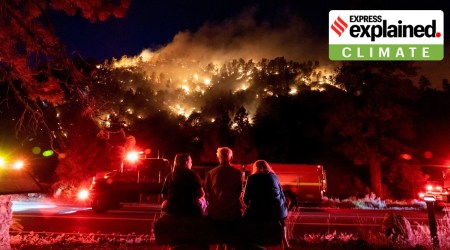
So far in 2023, the world has witnessed the hottest summer, highest ocean surface temperature and lowest Antarctic sea ice extent ever. Here is a look at these new climate records and why they matter.