3 min read
© IE Online Media Services Pvt Ltd



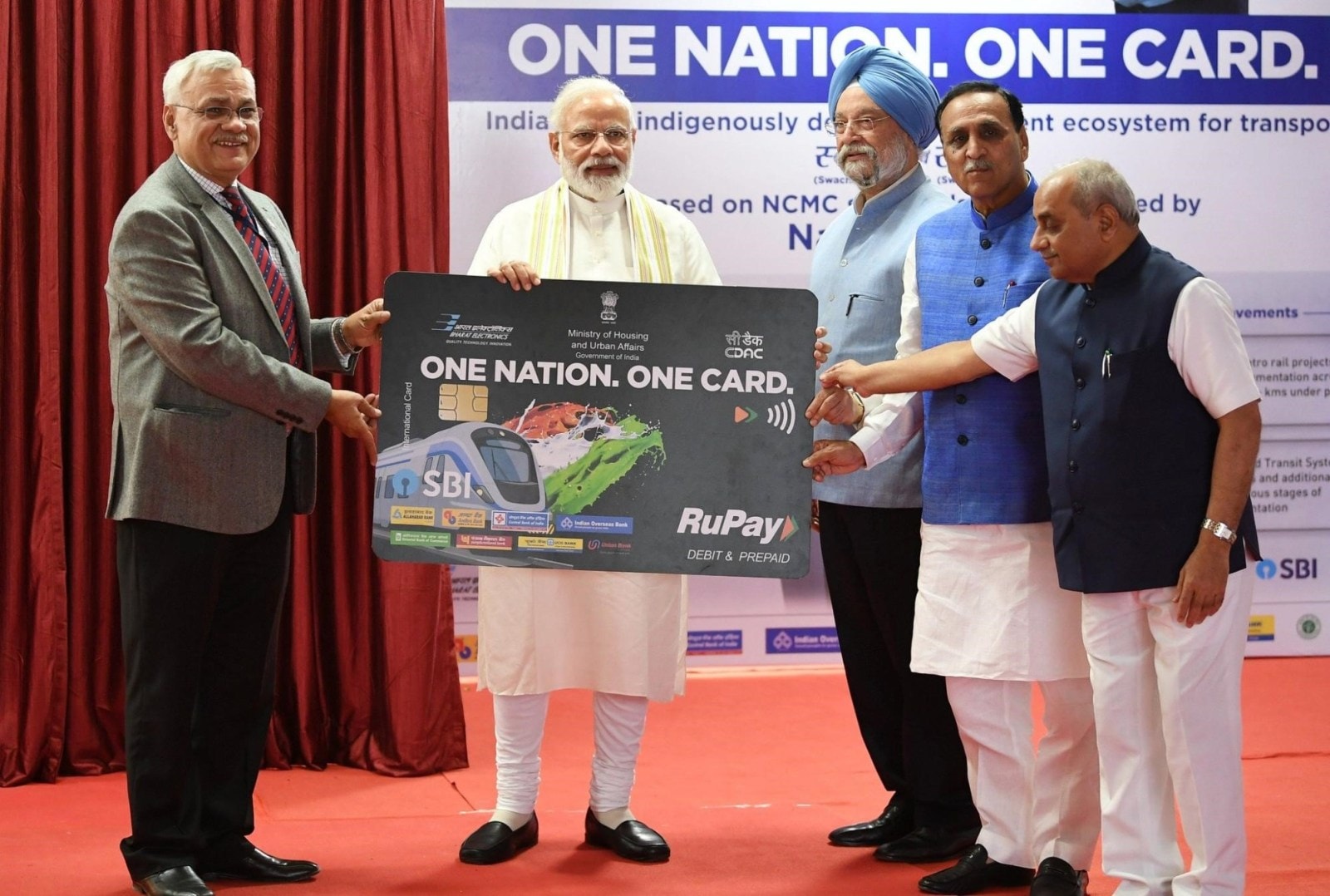 National Common Mobility Card (NCMC): Launched by the by the Ministry of Housing and Urban Affairs of the Government of India, with an aim to streamline travel across the country. | Source: Metro Rail News
National Common Mobility Card (NCMC): In the era of smart technology, India takes a significant leap towards enhancing the travel experience with the introduction of the National Common Mobility Card (NCMC), introduced as the ‘One Nation, One Card’, enabling users to pay travel charges, toll tax, and parking fees via one card.
Launched by the Ministry of Housing and Urban Affairs of the Government of India on March 4, 2019, this initiative aims to streamline public transport payments across the country and make travel seamless and interoperable across different public transportation, such as metro rails, buses, trains, and other forms of transit.
Here’s everything you need to know about the NCMC, from its features to the application process and more.
Devised to encourage cashless transactions and present a unified payment platform for commuters across the country, launched under the Prime Minister’s ‘One Nation, One Card’ initiative, the National Common Mobility Card (NCMC) is an interoperable transport card.
It allows holders to pay for multiple types of public transport, as well as withdraw money and do other retail payment applications, using a single card. Also available as debit/credit/prepaid RuPay cards from 25+ partner banks, including Bank of India, State Bank of India, Punjab National Bank, and others.
Hence, this initiative not only aims to simplify access to transport but also promotes the use of digital payments across the country.
The National Common Mobility Card is a step towards transforming and digitising India’s public transport system, making it more efficient and user-friendly. By reducing the need for multiple cards and cash transactions, the NCMC aims to not only streamline the travel experience but also promote a digital-first approach to daily transactions.