© IE Online Media Services Pvt Ltd
 5 min read


 Summer’s tough on babies!
Summer is a challenging season for newborn babies. With soaring temperatures, little ones need proper care to adapt to the harsh climate.
By Dr. Kakoli Acharyya
All new mothers often encounter issues with their babies, such as heat rash, sunburn, high fever, rapid breathing and sleeping disorders, which are caused by factors that include over-dressing or overheating of the body. It’s important to consult your paediatrician for a thorough check-up along with maintaining of a doctor prescribed appropriate baby-care routine. A few basic things pointers can be beneficial, such as keeping the environment around a baby clean and hygienic, sustaining a mild room temperature, using a fan to circulate air around the baby, increase in fluid intake, staying away direct sunlight, keeping necessary food and medication handy.
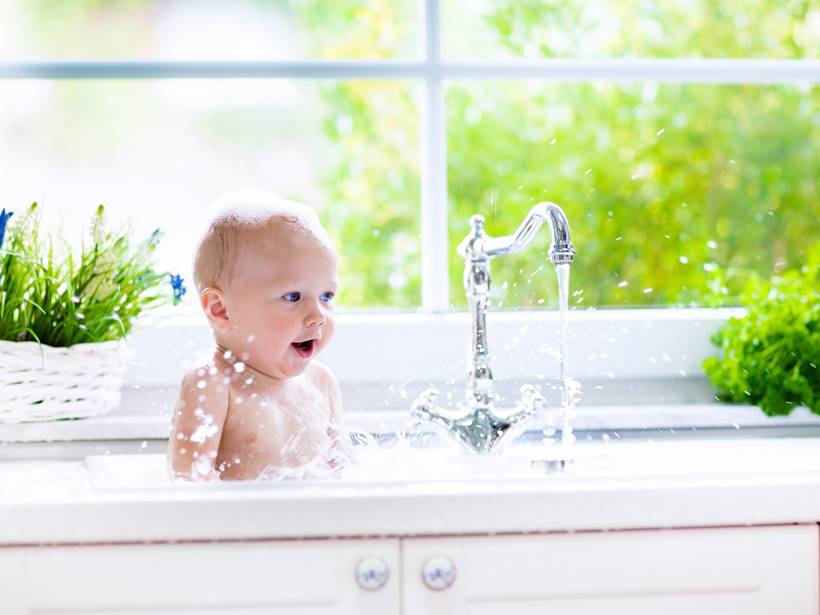
Bathing or Sponging: Depending on your baby’s need, bathe him or her in just a little warm water or at least maintain room temperature. Check the water temperature by dipping your elbow into the water, before using. Never use extremely cold or hot water. Give your little one a nice pre-bath massage with baby oil that has been prescribed by the doctor. Don’t let the oil soak into the skin for a long time as it tends to clog pores. Wash off the oil with enough water and keep a drytowel handy to wrap him/her up immediately after the bath. In case of sponging, very gently rub a soft washcloth or sponge to clean your baby completely.
Clothing: Always opt for light and loose clothing, and avoid over wrapping your baby, particularly in summer months as it leads to overheating. Dry your baby’s head with a damp towel if it feels hot due to overheating. While going outdoors, put on a little cap to avoid direct sunrays. It’s best to keep the baby indoors when the sun is at its peak. While indoors, wrap your newborn in light muslin or cotton wraps only and keep away the heavy blanket.
Feeding: Regular feeding is important along with adequate fluid intake to keep your baby hydrated. Breastfeeding is rich in nutrients, with antibacterial properties and components that boost the immune system. If your baby has already started on solids then use boiled and heated milk. Stock up powder milk in airtight jars so they don’t get spoiled. Hydrate and reenergise your baby with fresh pulpy juices of watermelon, peach, mango, grapes and banana. Track your baby’s urine to spot signs of dehydration. Make sure your baby is given plenty of filtered or boiled water.
Diapers: Don’t keep a wet diaper on for more than six hours. Put diapers on your child only when you’re going out. Prolonged usage of diapers leads to rashes during the summer. Treat nappy rashes by washing off the bottom with lukewarm water frequently and apply diaper rash cream or petroleum jelly. You can also put a thin layer of coconut oil to prevent rashes. Keep the rashes open and let them heal naturally by allowing the skin to breathe.
Skincare: Use talcum powder sparingly on babies as they clog skin pores. You can put a medically prescribed natural sunscreen on babies to protect from harmful sunrays when outdoors. Cover up your baby with a hat that shields the face, neck and ears. Appropriate outdoor clothing is a must to protect the skin. Moisturise your baby with a mild hypoallergic natural moisturiser as prescribed by the doctor. In case of insect and mosquito bites, clean the area with mild baby soap; apply a cold, wet washcloth to reduce any swelling and pain, before putting on calamine lotion, or consult a doctor. Wash your hands properly before touching the baby’s skin as they are much delicate and prone to allergy easily.
Diseases: In order to avoid heat stroke, babies should be kept in a cool, shady area when taken outside. Inside the house, always maintain comfortable ambient temperature with fans or the air- conditioner. Regularly wash your hands with anti-bacterial handwash while preparing the baby’s food. Prickly heat, rising body temperature, exhaustion from heat, diarrhea, vomiting and heat- stroke may often lead to complications. Immediately bring their temperature down, hydrate with fluids, remove all extra clothing and sponge with a damp washcloth. Visit your pediatrician as soon as possible for a precise line of treatment.
(The writer is a pediatrician at CK Birla Hospitals–CMRI, Kolkata.)