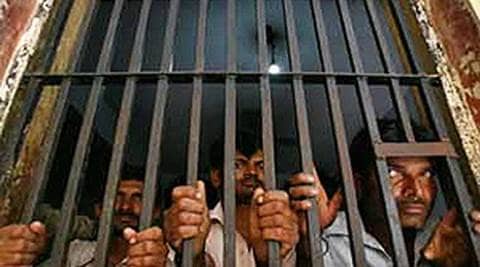

The National Crime Records Bureau figures for 2014 point to a problem that is still with us: almost 68 per cent of the inmates of India’s overflowing prisons are undertrials, and 70 per cent of those convicted are illiterate.
Affluent states like Goa, Punjab, Gujarat and Haryana top the list of states with the highest percentage of undertrials who have been in prison for more than three months. Notably, 21.1 per cent of undertrials in jails are Muslim, even as their percentage among convicts is only 16.4 per cent, closer to the community’s composition in the country’s population. These statistics are yet more confirmation that India’s criminal justice system remains grossly inefficient and blatantly prejudiced against the minorities and the poor. The cost of justice is kept prohibitively high by infrastructural flaws and deficiencies, while unreformed mindsets operating in a setting of poorly institutionalised norms contribute to the entrenched prejudices.


Delays in investigation slow down the trial process. The police force in most states is understaffed, short on equipment, ill-trained in modern investigation methods and all too vulnerable to political interference and control. Notably, Muslim representation is at an abysmal 6.5 per cent, contributing to an institutional prejudice against minorities that is often on display. The bottomline is this: An overworked and underequipped force with a lopsided recruitment strategy and weakly institutionalised norms of independence and impartiality is unlikely to be an unprejudiced and effective instrument of law enforcement, and of the criminal justice system.


