Journalism of Courage
 3 min read



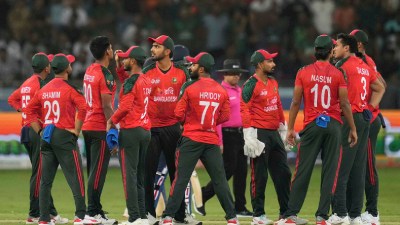
For those who read signs in scorecards, Euro 2004 is a constellation of omens. The Germans and Italians never made it past the league stage, the French have perished in a Greek tragedy, and England just could not bend it past Portugal. Goalposts have moved, and a new Europe is being mapped. In this supposedly borderless world, it would appear that football is clinching antidote to globalisation8217;s spreading sameness. In a prelude to their Athenian summer Greeks will now claim greater space under the sun 8212; and after beating Spain, Portuguese have already shed all complexes viv-a-vis their more flamboyant neighbours. Another blow for the case against LPG!
Well, not quite. In the actual ebb and flow of the matches so far, in the personalities who have brought in increased TV audiences, in the economic dynamics driving tournaments like Euro 2004, globalisation8217;s ascent is unmistakable. There was a time when leading national teams had distinct styles, and a key match was pretty much a clash of cultures. Italian defensiveness and Dutch total football. German doggedness and Brazilian samba. Argentine individualism and French midfieldism. Now, it8217;s a melting pot. With footballers crisscrossing borders in their clubhunts, dilution of inherited styles is inevitable. Do scan the scorecards in Euro 2004. Teams like Portugal that have internationalised their game have pulled off surprise wins. Those like Italy that instinctively revert to standard formations have struggled.
In any case, in these branded times, players identify more with clubs than countries 8212; in other words, the brands that pay. Wonder how many Arsenal fans around the world cheered for France just because they had four club players in the national team. It is, of course, a two-way street. Real Madrid famously acquired David Beckham to boost their image and sale of merchandise in Asia. Beckham, remember, has a temple to his name in Thailand and dictates fashion trends in Japan. Manufacture of merchandise, of course, is outsourced to sundry countries, thanks in part to WTO regulations. And remember how Italian PM Berlusconi once bragged about his AC Milan8217;s exploits? Well, now premiers needn8217;t limit their sport acquisitions to their national borders. Thailand8217;s Thaksin Shinawatra is currently bidding for Liverpool. One day his fate at the hustings may just depend upon the performance of his English club.