3 min read
📣 For more lifestyle news, click here to join our WhatsApp Channel and also follow us on Instagram
© IE Online Media Services Pvt Ltd



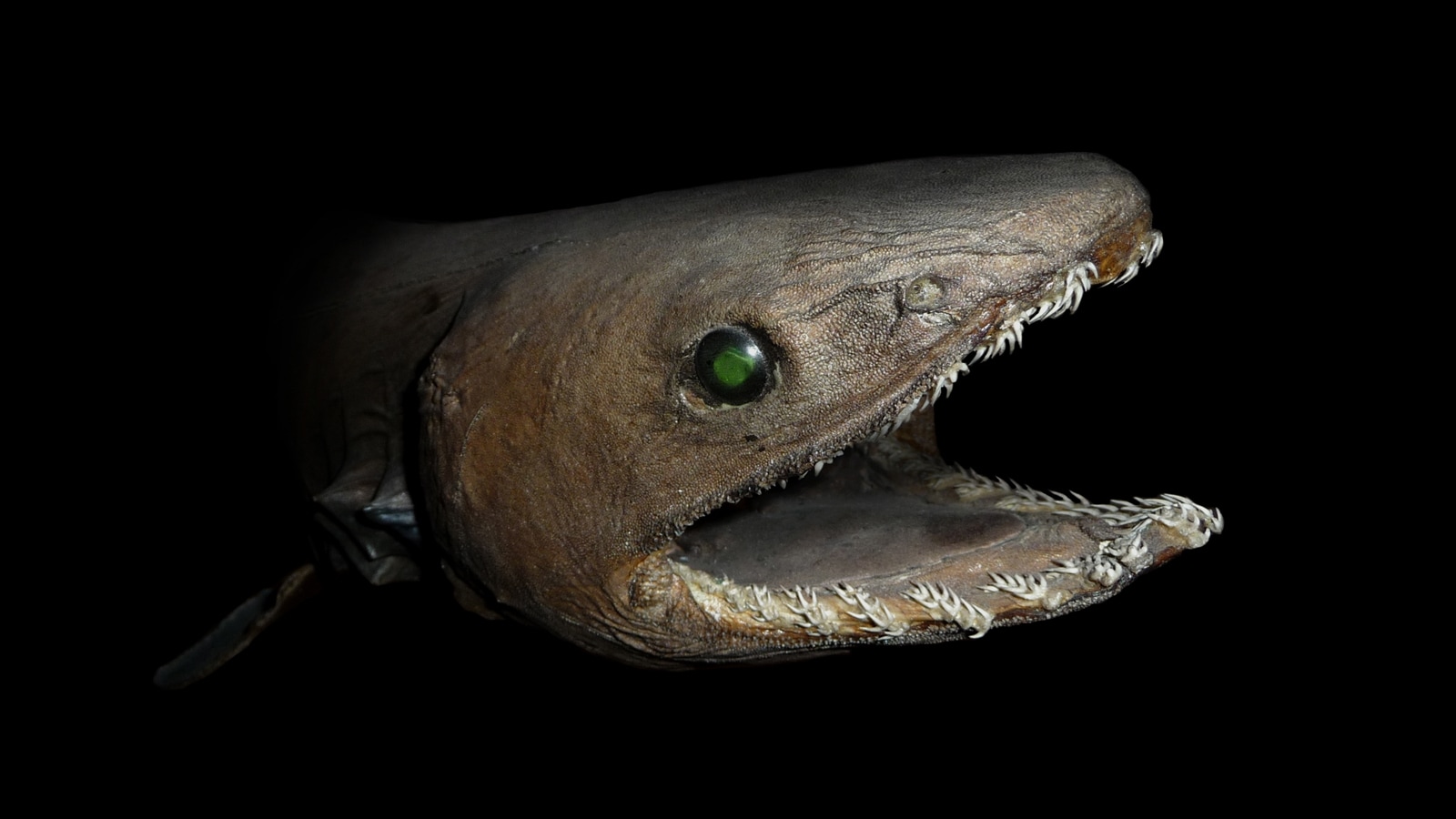 The frilled shark is a deep-sea predator that hasn’t changed in 80 million years (Source: Wikimedia Commons)
In the deepest parts of the ocean lives a creature that looks like something out of a prehistoric nightmare. Appearing to be a cross between an eel and a shark, it’s called the frilled shark, and often dubbed a “living fossil” because the species hasn’t changed much in over 80 million years, according to National Geographic.
This shark isn’t like the ones we’re used to seeing on nature shows. In fact, it looks more like a sea serpent than a shark. With a long, slender body and a face full of over 300 needle-sharp teeth, it glides slowly through the dark waters like an ancient ghost.
The frilled shark is one of the oldest species still around today. It belongs to a group of sharks that existed when dinosaurs still roamed the Earth. And while most sharks have a more streamlined, modern look, this one has kept many of its ancient features, like six pairs of frilly gills that give it its name.
Scientists say this shark has hardly changed since it first appeared millions of years ago. That’s why they’re so fascinated by it.
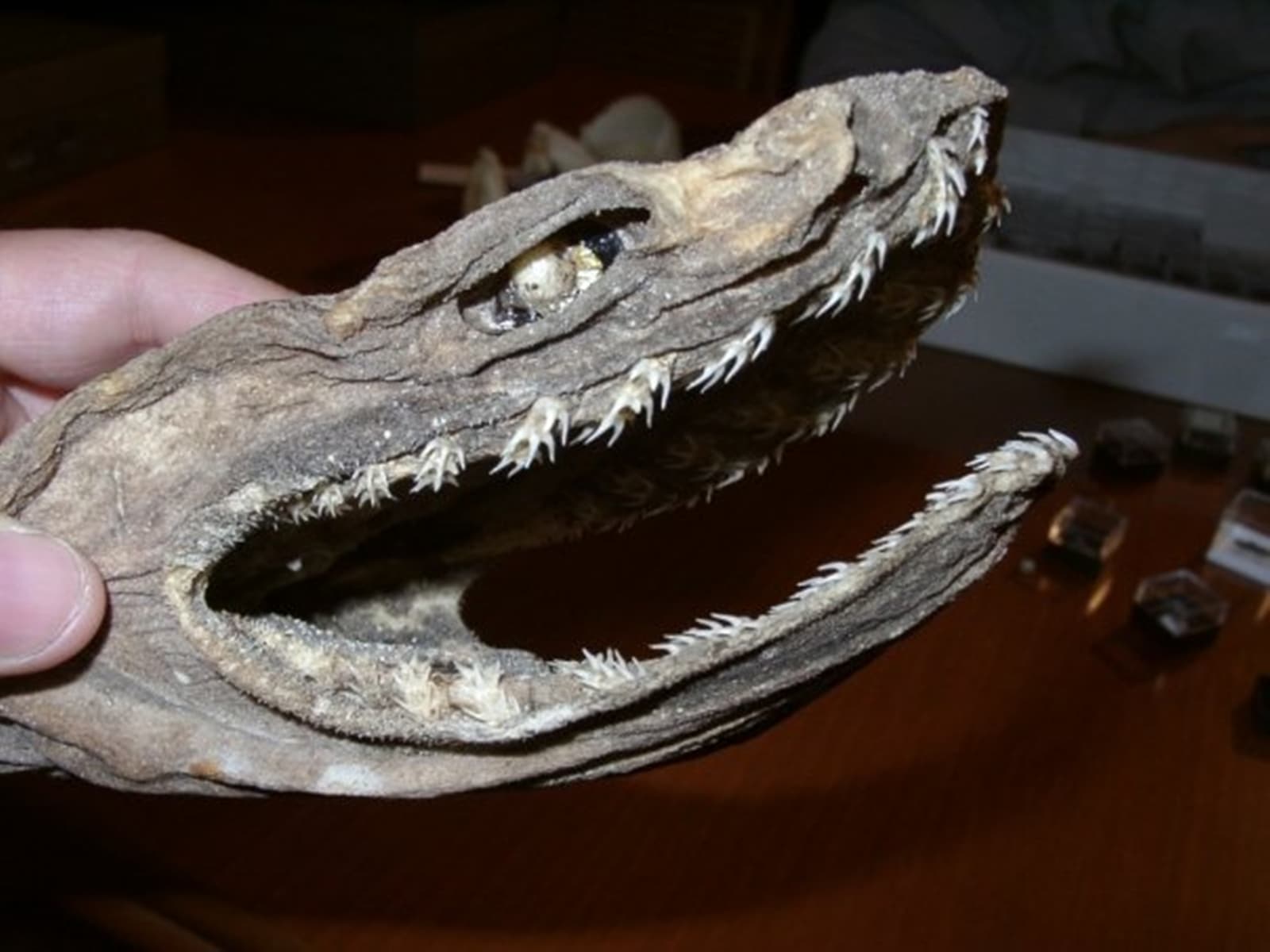 This shark isn’t like the ones we’re used to seeing on nature shows (Source: Wikimedia Commons)
This shark can grow up to 2 metres long and lives at extreme ocean depths, anywhere from 200 to 1,500 metres below the surface. It’s rarely seen by humans, and most of what we know about it comes from deep-sea fishing boats that accidentally catch them.
Its mouth is wide and packed with rows of tiny, razor-like teeth, making it perfect for grabbing slippery prey like squids and small fish. It doesn’t chase like a great white; its hunting style is slow and sudden, lunging like an eel to swallow its meal whole.
They live solitary lives and move slowly through the water, making them hard to study in the wild. Still, their mysterious habits and rare appearances have made them a favourite topic for scientists and deep-sea explorers.
These ancient sharks remind us how much we still have to learn about the deep sea.