5 min read
📣 For more lifestyle news, click here to join our WhatsApp Channel and also follow us on Instagram
© IE Online Media Services Pvt Ltd



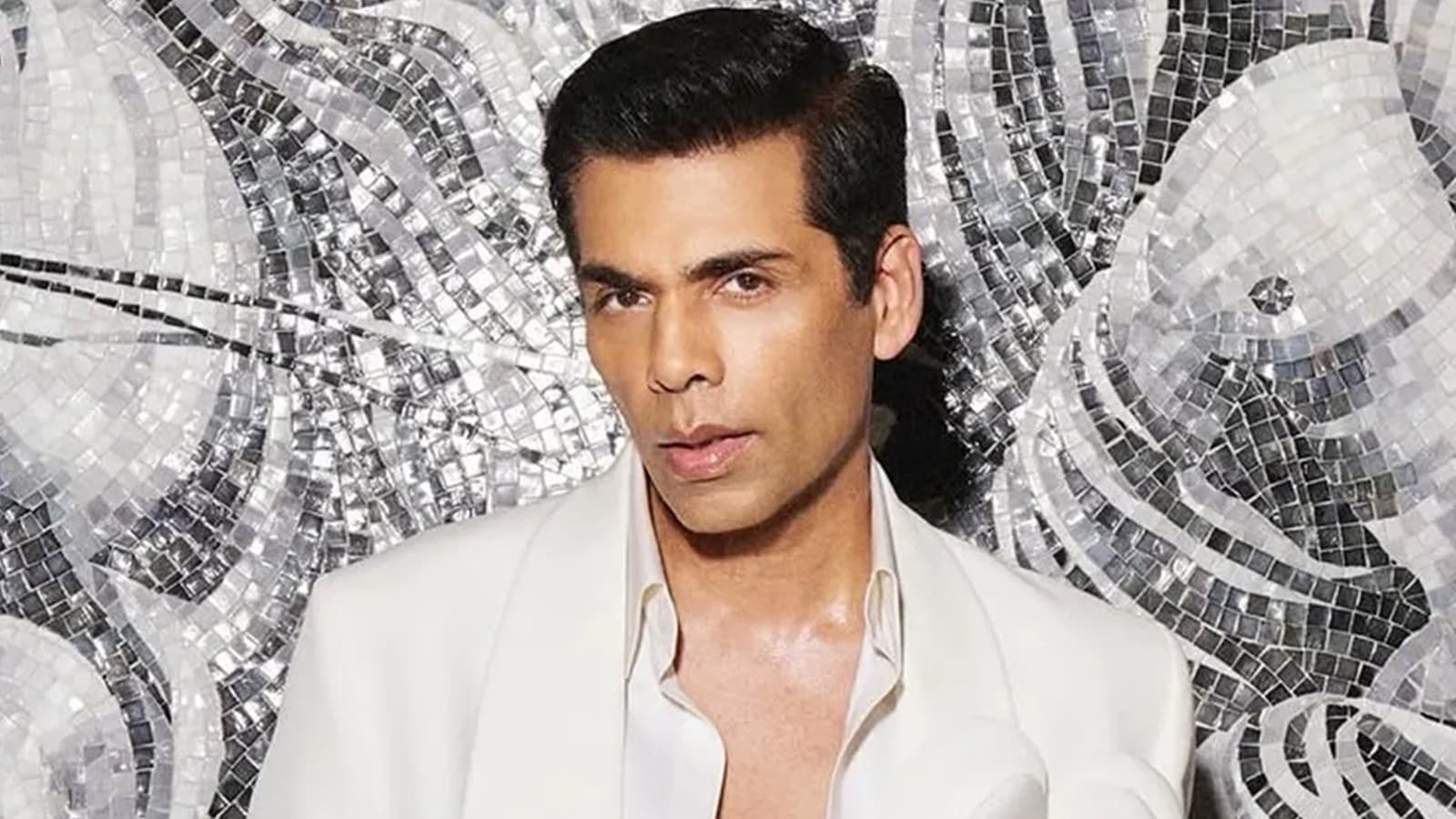 Karan Johar speaks about taking speech classes (Photo: Karan Johar/Instagram)
Karan Johar, who has on several occasions opened up about suffering from body image issues, recently revealed he took speech classes to sound “more masculine” as he was told that he has a “woman’s voice”. “I went to a public speaking class. The one teaching there stopped me after his class and told me that I would have a problem in society because my voice resembles a woman’s. So, you should get a baritone in the voice,” the filmmaker-producer told Raj Shamani on his podcast.
So, he attended the class for two years without telling anyone at home. “So that I could bring a baritone in my voice, so that I could sound like a man. I told my dad that I was going to a computer class. I was very shy to tell him that I was doing this. Sharam aa rahi thi mujhe. (I was shy to admit),” recalled the Kabhi Khushi Kabhie Gham… director.
He continued that he developed a “baritone in my voice” after two years, adding, “They not only taught me baritone, but how to walk, how to become more masculine…Today, I will never give this advice to anyone…I will say, be yourself…agar aap aise chal rahe ho toh chalo, aap aise bol rahe ho toh bolo…aap apne aap ko badlo mat…(If you walk a certain way, or you talk a certain way…be yourself…don’t change).”
The training entails several focused exercises aimed at building and relaxing the vocal cords, expanding lung capacity, and developing a smooth and even sound, said Jesty Rajan, speech language pathologist, Ramaiah Memorial Hospital. “A good amount of consistent vocalisations, such as humming and lip trills, are what breeds that deeper, fuller baritone tone. These exercises strengthen the vocal cords and maintain an accurate sense of breath control so that one sustains a richer vocal range and more resonance,” said Jesty.
While it does enhance your skills, according to Delnna Rrajesh, psychotherapist, healer, and life coach, it needs to be self-led rather than coming from a place of ridicule. She stressed that Karan Johar was naming a “silent epidemic” most people never notice. “He was speaking to every boy who’s ever been laughed at for sounding ‘too soft’. Every man who’s been called weak, feminine, or inadequate — not for what he said, but for how he said it,” said Delnna.
She stressed that we don’t even realise how early it starts. “A boy says something in his natural tone and gets mocked. ‘Why do you sound like a girl?’ ‘What’s wrong with your voice?’ These aren’t innocent comments. They’re early messages that tell him he’s not allowed to be exactly as he is. This is the problem with how we raise men. We don’t ask them to be honest. We ask them to perform. Be louder. Deeper. Tougher. We turn masculinity into theatre. And if your natural tone doesn’t match the role, the world pushes you off stage.”
It’s not just the voice that gets suppressed. “It’s vulnerability. It’s softness. It’s nuance. When men are forced to speak from a place that doesn’t belong to them, they begin to silence other parts too. They hide emotion. They withhold tears. They don’t say ‘I’m scared’ or ‘I need help’ because somewhere along the way, they learned that sounding emotional is sounding weak. And in that silence, mental health suffers,” added Delnna.
 This is what you need to know (representative) (Photo: Freepik)
This isn’t just cultural bias. “It’s psychological violence. It teaches men to disconnect from their own voice, their own rhythm, their own truth. Over time, they forget how to sound like themselves,” said Delnna.
We must stop linking voice to value. “A man’s worth cannot be measured by decibels or depth. We need to listen to what’s being said, not how manly it sounds,” said Delnna.
She affirmed, “Stop glorifying the baritone”. “Stop mocking the soft-spoken. Stop treating someone’s voice as a metric for their identity. The real strength is when a man uses his own voice, in his own way, with his own truth, even when the world wants him to change it. That’s not weakness. That’s power,” said Delnna.