3 min read
📣 For more lifestyle news, click here to join our WhatsApp Channel and also follow us on Instagram
© IE Online Media Services Pvt Ltd



 Here's why you should be wearing masks which are effective (representative) (Photo: Pixabay)
A recent video showing how air quality improves when an N95 mask is placed over an air-quality monitor has been going viral. Entrepreneur and paragliding pilot Aneesh Bhasin’s experiment, using a portable air quality monitor at Mumbai’s Juhu Beach to record real-time air quality, showed the AQI dropping from 192 to 37 when the monitor’s air inlet was covered with an N95 mask. “N95 masks do work,” he said in a post on Instagram.
Dr Samir Garde, director, Dept of Pulmonology and Lung Transplant, Gleneagles Hospital, Parel, noted that AQI showcases how clean or polluted the air is. “The higher the AQI number, the worse the air quality. When AQI is below 50, the air is considered good. Between 100 and 200, it becomes unhealthy, especially for children, elderly people, and those with asthma or heart problems. When AQI crosses 300, the air is very harmful and can cause breathing trouble even in healthy people. This is where N95 masks become important,” said Dr Garde.
What are N95 masks?
Dr Garde said that an N95 mask is designed to filter at least 95 per cent of tiny particles from the air, including dust, smoke, and pollution particles known as PM2.5. “These tiny particles are the most dangerous because they can enter deep into the lungs and even reach the bloodstream. When AQI is above 150, wearing an N95 mask outdoors can help reduce the amount of polluted air you breathe in. It is advantageous during heavy traffic, construction work, or smoggy days. However, the mask must fit properly around the nose and mouth to work well. Loose or damaged masks offer less protection.”
Dr Manas Mengar, a consultant in pulmonology at KIMS Hospitals, Thane, said the video is proof of N95 masks’ filtration capabilities. “When you cover the inlet of an AQI monitor with an N95 mask, you filter the air before it reaches the sensor. The air pollution around it stays the same. The mask prevents particles from reaching the device, which means it also has similar effects on the human body,” said Dr Mengar.
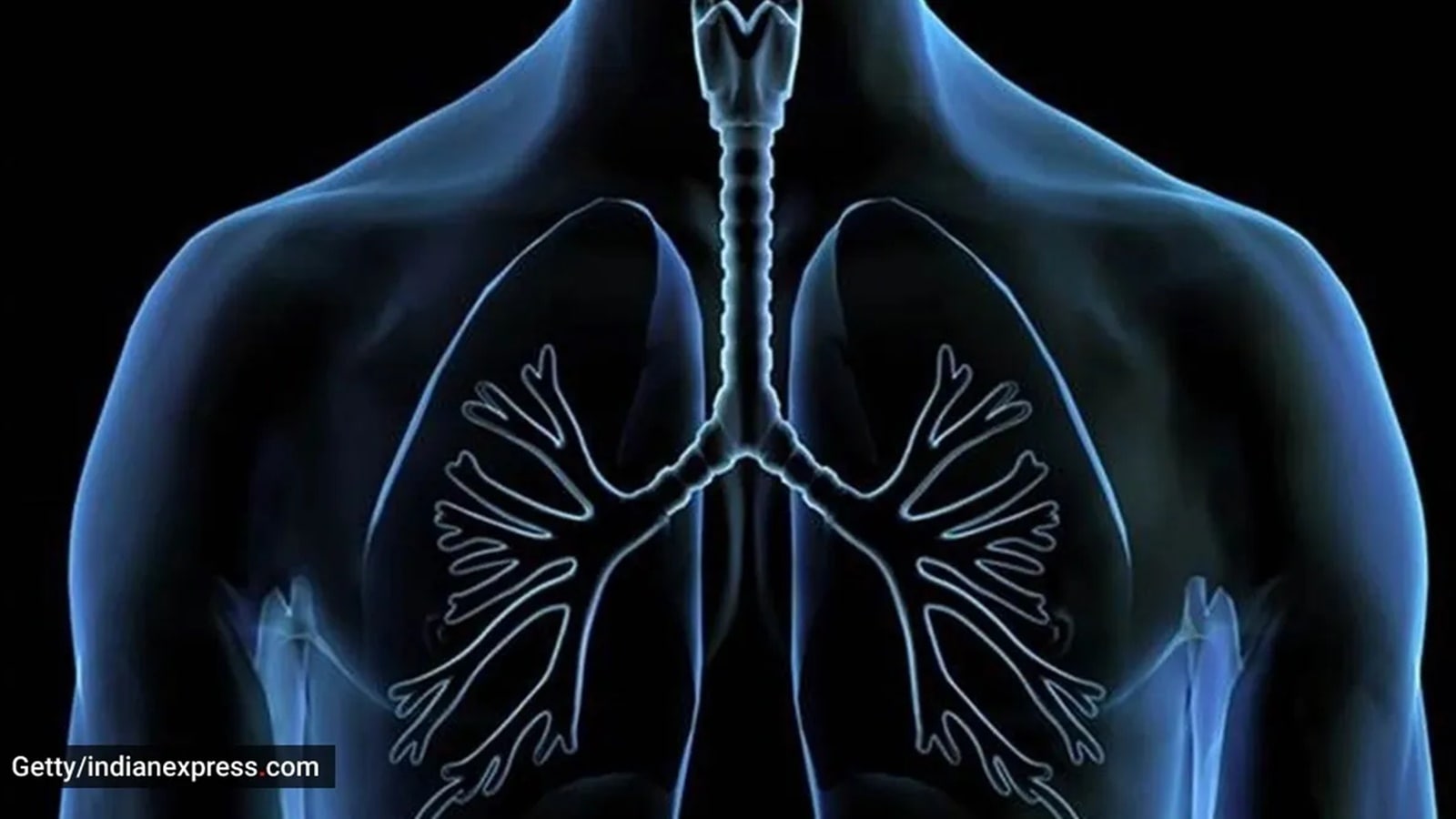 Here’s what you should keep in mind (Photo: Getty Images/Thinkstock)
What to note?
The key takeaway should be that N95 masks reduce exposure, not pollution. “But don’t confuse protection with a solution,” urged Dr Mengar.
While N95 masks help, they are not a complete solution. Reducing outdoor activity, keeping windows closed during high pollution hours, using air purifiers indoors, and following local air quality alerts are equally important. Together, these steps can help protect your lungs when air pollution levels are high, said Dr Garde.
View this post on Instagram
Children, the elderly, pregnant women, and people with asthma, COPD, heart disease, or other respiratory conditions are particularly vulnerable. “For them, high AQI can lead to breathlessness, wheezing, chest tightness, and flare-ups,” said Dr Mengar.
DISCLAIMER: This article is based on information from the public domain and/or the experts we spoke to. Always consult your health practitioner before starting any routine.