4 min read
📣 For more lifestyle news, click here to join our WhatsApp Channel and also follow us on Instagram
© IE Online Media Services Pvt Ltd



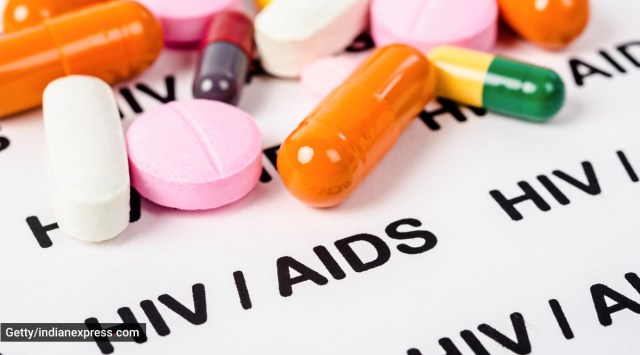 According to a doctor, with 'highly active antiretroviral therapy' (HAART), women with HIV live longer, healthier lives. (Photo: Getty/Thinkstock)
HIV infection, caused by the human immunodeficiency virus, requires many lifestyle changes in order to stay healthy. It means taking your medication on schedule, eating well and getting regular physical activity. For women who are infected with the virus, Gynecologic care means screening for and then treating health issues affecting sexual and reproductive organs.
Dr Dhivya R, consultant, obstetrics and gynaecology, Kauvery Hospital (Electronic City) Bengaluru, says some common concerns in HIV-infected persons are:
* Sexually-transmitted infection: Most common are chlamydia, gonorrhea, HPV, hepatitis, HSV, HIV, and trichomoniasis.
* Fungal infection like candidiasis
* Pelvic inflammatory disease
What women should know
According to the doctor, they ought to know about some changes in the body, such as:
1. Menstrual change: Dr Dhivya says many people living with HIV experience menstrual changes, which are less common if you have a high CD4 content and are taking HIV drugs. “But, it is more common if you have low CD4 count or high viral load. This is mainly because of changes in your immune system that can affect and change the way your body makes and maintains different hormones,” she says.
2. Menopause: The doctor states that some studies show women living with HIV may experience menopause earlier than HIV-negative women. “This may be due to anemia, lower hormone production, illness, weight loss, effects of HIV drugs, etc. For anyone with a vagina, cervix, uterus and ovaries, getting a gynecologic checkup is important.”
What can they expect during a visit?
Pelvic examination
“A gynecological examination including a pap test (>21 years) and pelvic exam when they are first diagnosed with HIV and another one done 12 months later. If abnormal cells are found, then colposcopy and biopsy is recommended. Pregnant women with HIV should have cervical screening when they first seek prenatal care. Those born with HIV should have pap test done before 21 years if sexually active.
“You should be tested for gonorrhea and chlamydia at your first gynecological visit. It is important to repeat these tests if you have sex with new partner or if you have sex without a condom,” Dr Dhivya explains.
Breast examination
When a woman reaches a certain age, usually 40 or 50, a breast cancer screening with mammograms is recommended.
Anal examination
Anal pap test
Preconception counselling
According to the doctor, with ‘highly active antiretroviral therapy’ (HAART), women with HIV live longer, healthier lives. They may also desire their own biological children.
“By suppressing viral load, HAART significantly decreases mother-to-child transmission. To have good outcomes and to minimise risks, physicians should encourage women to plan their pregnancies, to use effective forms of contraceptive until they are ready to conceive and use folic acid to reduce risk behaviour (smoking, substance abuse). It is important to counsel women regarding risks of transmitting infection through unprotected intercourse. Intravaginal insemination may be feasible to reduce infection,” the doctor states.
She adds that nearly 50 per cent of all pregnancies are “unintended”. “Women with HIV should be counseled regarding the need to avoid unintended pregnancy, to protect themselves against STI and to protect their uninfected male partners as well.”
📣 For more lifestyle news, follow us on Instagram | Twitter | Facebook and don’t miss out on the latest updates!