The continuing panic among farmers over the fertiliser crisis in parts of Madhya Pradesh has led to protests, the looting of trucks carrying urea, and another death of a farmer who stood in line for days at a distribution centre — the second such case in the state in less than two weeks.
On Monday, 52-year-old Jamuna Kushwaha collapsed and died while waiting in line at the Badoraghat fertiliser distribution centre in Tikamgarh district. A resident of Kari Bajarua village, Kushwaha had queued up for three consecutive days, attempting to secure two bags of urea.
On the day of his death, he arrived at the distribution centre without having breakfast. Around noon, he collapsed after vomiting and was rushed to a district hospital, where doctors declared him dead at 3 pm. A postmortem examination confirmed he suffered a heart attack, officials said.
“He kept looking for fertiliser everywhere and died waiting for it,” his son said. Kushwaha’s younger brother, Chhakki, said his brother had made the eight-kilometre journey from his village every day to the centre, and claimed that the relentless queuing and stress over the fertiliser shortage had deteriorated his health.
This comes less than two weeks after 45-year-old Bhuri Bai died on November 26 after spending two days in line outside a fertiliser centre in Guna district.
Tikamgarh Deputy Director of Agriculture (DDA) Ashok Sharma said 19,000 tonnes of urea have been distributed and that an additional 2,800 tonnes have been requested.
“There is no information about any death at the Badoraghat centre. Fertiliser is being given according to dates on tokens,” he claimed.
However, farmers dispute this account, alleging that tokens are not being issued fairly, and saying that queues extend for several hours, leaving many returning home empty-handed after standing line the whole day.
It was the local tehsildar, Satendra Gurjar, who transported Kushwaha to the hospital in his government vehicle after he collapsed while standing in line. The Station House Officer of Dehat police station, Chandrajeet Yadav, confirmed that Kushwaha had died of a heart attack.
Panic boils over
Fears over a fertiliser shortage have ignited widespread unrest across Tikamgarh and neighbouring districts in Madhya Pradesh. On Monday, hundreds of farmers in Kharagpur blocked a major highway in protest, creating traffic jams stretching several kilometres.
Last week, desperate farmers looted urea fertiliser bags directly from delivery trucks at the Jatara Agricultural Produce Market in Tikamgarh.
A senior police officer said the incident took place on Wednesday. “Two truckloads of urea arrived at the local mandi, which served as the fertiliser distribution centre at Jatara village. We estimate that between 30 and 40 fertiliser bags were taken during the incident.”
Market authorities have filed a complaint with Jatara police, who have launched an investigation into the incident.
According to market manager, Ramkumar Soni, farmers had been making daily rounds to cooperatives and distribution centres without success before the situation escalated.
“Two trucks filled with urea were parked in the market premises. Farmers, who had been searching for fertiliser for a long time, saw the trucks, and a crowd quickly gathered. Some people in the crowd forcibly took urea bags from the trucks, causing chaos at the scene,” Soni said.
While the situation was eventually brought under control, the episode has raised questions about the fertiliser supply chain management in the district.
The ruling BJP has been scrambling for damage control since the death of Bhuri Bai, a member of the Sahariya tribe, in November. Days after her death, Union Minister Jyotiraditya Scindia, the MP from Guna constituency, visited her family, offering condolences and pulling up the local administration.
India’s urea consumption is set to reach 40 million tonnes in the current fiscal year, driven by surplus monsoon-induced demand and the nitrogenous fertiliser’s maximum retail price remaining unchanged for over a decade. The sales of the country’s most-used fertiliser hit an all-time high of 38.8 million tonnes in 2024-25.
This year, India had a good southwest monsoon, which filled reservoirs as groundwater tables recharged, prompting farmers to plant with renewed vigour.
Madhya Pradesh government officials said the demand for fertilisers would rise sharply this rabi season (October–May) owing to higher water storage levels.

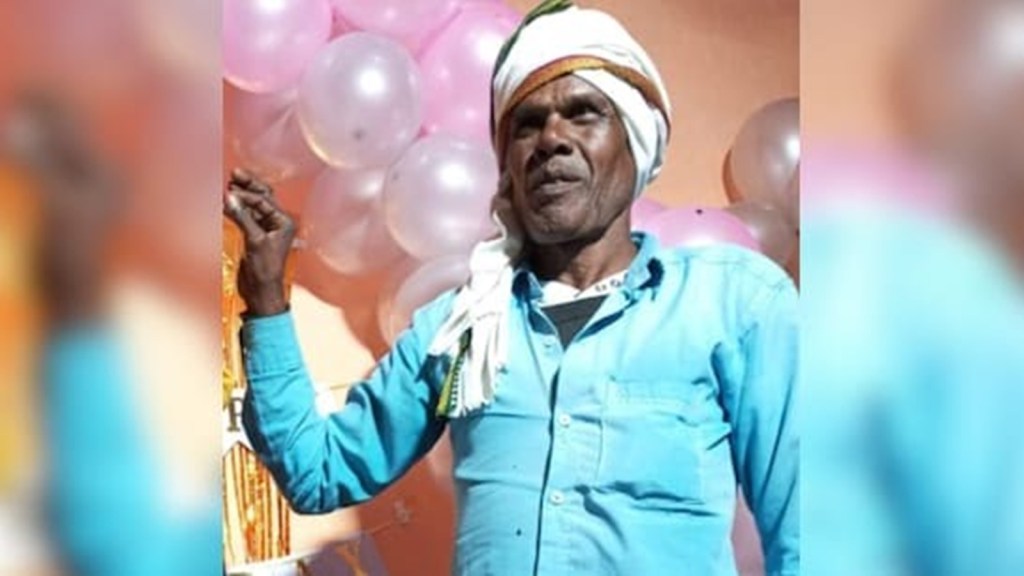 52-year-old Jamuna Kushwaha collapsed and died while waiting in line at the Badoraghat fertiliser distribution centre in Tikamgarh district.



 Share


