3 min read
📣 For more lifestyle news, click here to join our WhatsApp Channel and also follow us on Instagram
© IE Online Media Services Pvt Ltd



 Meezaan Jafri and Jaaved Jaaferi (Photo: Meezaan Jafri/Instagram)
While giving a tour of their home, Meezaan Jafri and his father, actor Jaaved Jaaferi, also shared the lunch menu. Meezaan, 30, shared that his all-time favourite is dal made at home. “This house makes 7-8 different kinds of dal. This is yellow masoor dal,” he said. Jaaved, 63, added that, unlike many other households, they make dry dals with whole spices. “We have two sookhi or dry dals with urad and masoor jo khade masalon me banti hai…(with whole spices). It also has curry leaves, ginger, and green chillies,” Jaaved told Curly Tales, while admitting to being a foodie who is mindful about his portions, unlike his son.
Taking a cue from their fascinating insight into a variety of dals at home, we asked an expert about the benefits of consuming a variety of dals.
Consultant dietitian Garima Goyal shared that having a variety of dals can offer many nutritional benefits. “Dals are rich sources of plant protein, fibre, complex carbohydrates and important minerals like iron and folate. Including different varieties across the day or week helps you get a broader spectrum of nutrients and supports muscle health, good energy levels, and better digestion,” said Goyal.
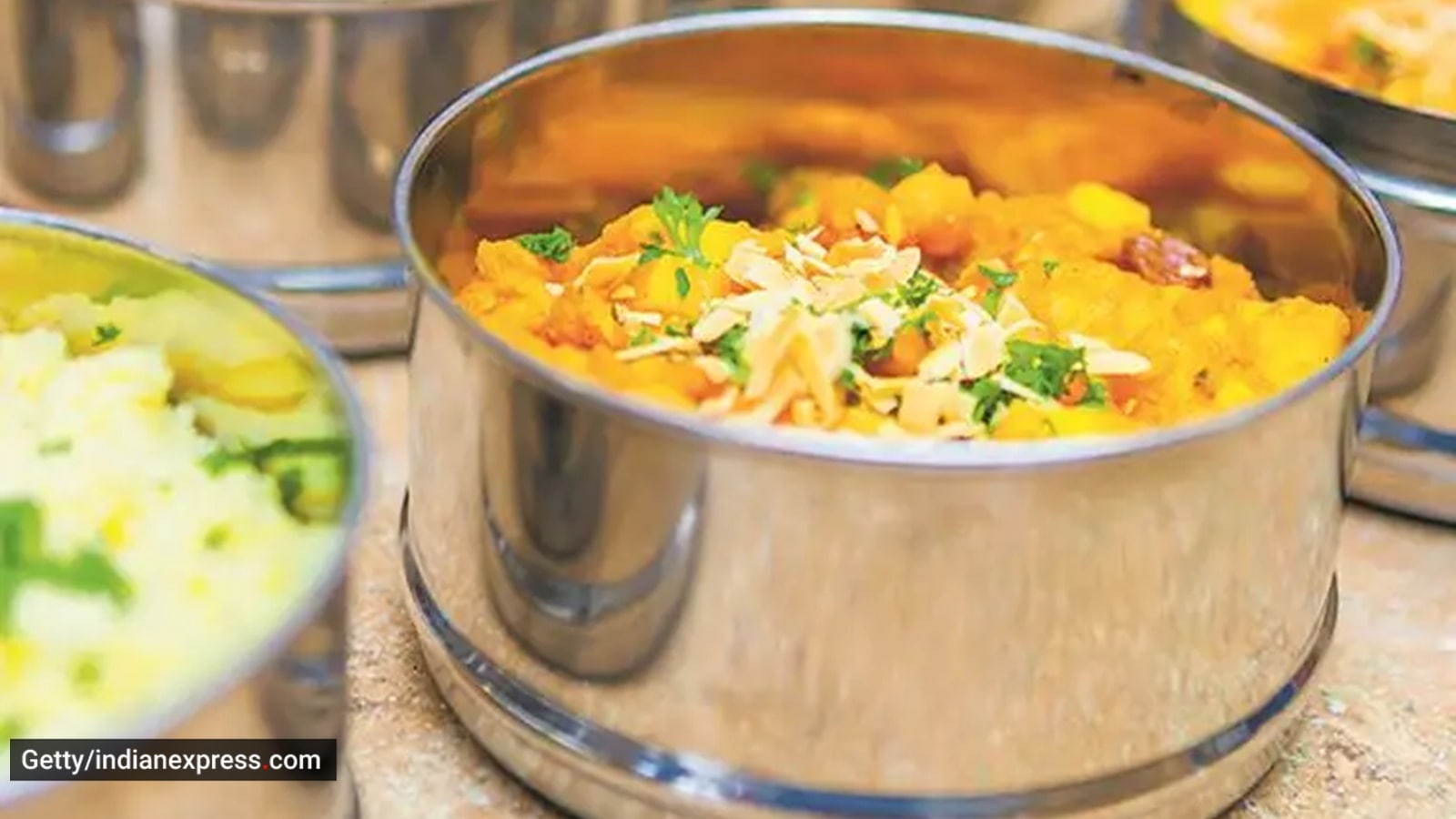 Do you like to have dry dals? (Photo: Getty Images/Thinkstock)
At the same time, having a lot of dal daily may overload the digestive system. “Lentils contain fermentable fibres that are healthy in moderation, but when taken in vast quantities they can cause bloating, gas and discomfort, especially for someone who is not used to so much fibre in one day. Balance is important even when the food is healthy,” Goyal stressed.
A more sensible approach is to include two or three dals per day and rotate them throughout the week. “For example, one cooked dal at lunch, a sprouted version in a salad, or a softer dal soup at night. Pairing them with vegetables, millets, and healthy fats makes meals more complete and easier to digest,” shared Goyal.
While dals are excellent for everyday nourishment, quantity and variety should be handled mindfully. “Aim for diversity across the week rather than trying to fit everything into one day, so digestion stays comfortable and nutrition remains balanced.”
DISCLAIMER: This article is based on information from the public domain and/or the experts we spoke to. Always consult your health practitioner before starting any routine.