4 min read
📣 For more lifestyle news, click here to join our WhatsApp Channel and also follow us on Instagram
© IE Online Media Services Pvt Ltd



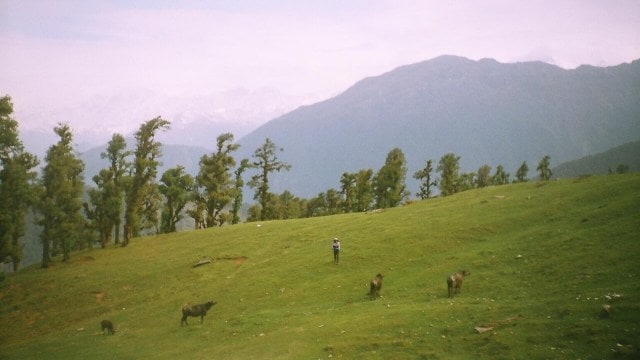 A bugyal (meadow) in Chopta (Photo: Wikipedia)
If you’re new to trekking and want to enjoy the mountains without tough climbs, Uttarakhand has some of the safest and most beautiful winter trails in India. These routes have easy slopes, welcoming villages, helpful guides, and amazing Himalayan views. They’re great for first-time trekkers, families, or anyone wanting a peaceful mountain experience.
For beginners looking to experience winter trekking without overwhelming difficulty, the Chopta–Tungnath–Chandrashila trek is an ideal choice. Starting from Chopta—often called the “Mini Switzerland of India”—the trail gently climbs through snow-covered forests of pine, rhododendron, and deodar. Tungnath, the world’s highest Shiva temple, is the trek’s spiritual highlight, and those who push a little further to Chandrashila are rewarded with a panoramic 360-degree view of Himalayan peaks like Nanda Devi, Trishul, and Kedar Dome. Accommodation is available in Chopta and nearby villages, with simple lodges and homestays offering hot meals and warm bedding, making it suitable for first-timers.
Dayara Bugyal is one of Uttarakhand’s most picturesque alpine meadows, and in winter it transforms into a sweeping, snow-filled wonderland. The trail typically begins at the base village of Raithal and climbs gradually through oak and maple forests, offering views of the Gangotri range even before reaching the vast meadow. The trek is well-marked, not too steep, and ideal for families and beginners seeking a scenic winter experience without long or technical climbs. Campgrounds are set up at Barnala or Dayara, and many local operators provide tents, guides, meals, and equipment, making the experience safe and comfortable, even for first-time trekkers trekking in the snow.
Known as one of India’s most popular winter treks, Kedarkantha is beginner-friendly yet offers the thrill of climbing a snow peak. Starting from Sankri village, the trail winds through forests, clearings, and frozen streams before reaching campsites such as Juda Ka Talab and Kedarkantha Base. Its summit climb is the highlight—long but manageable—with sunrise views over snow-covered Himalayan ranges. This trek is well-supported, featuring local guides, gear rentals, homestays in Sankri, and established campsites. The route is safe for first-timers, provided they walk slowly, stay hydrated, and follow guide instructions during winter conditions.
Choose the right trek for your fitness level: Start with easy, well–marked winter trails like Kedarkantha, Dayara Bugyal or Nag Tibba. These offer safe terrain, guided groups, and manageable distances—ideal for first-timers adjusting to cold and altitude.
Layer smart, not heavy: Use the 3-layer rule
 Dayar Bugyal (Photo: Wikipedia)
Footwear matters more than anything: Wear waterproof trekking shoes with good ankle support and proper grip. Break them in beforehand to avoid painful blisters on the trail.
Stay hydrated—even in cold weather: The cold reduces your thirst, but your body still loses water through exertion. Sip warm water regularly; carry a thermos if possible.
Acclimatise properly: Spend a day at the base town if the trek includes higher altitudes. Walk around, eat light, and avoid alcohol and smoking.
Pack only essentials: Keep your backpack light. Must-haves include:
Follow your guide’s instructions: Winter trails can get slippery. Trust your trek leader for pace, rest stops, and safety instructions. Don’t wander off alone.
Respect the weather: If conditions turn bad—snowstorm, whiteout, or extreme cold—listen to your guide. Turning back is always safer than pushing forward.
Keep your electronics warm: Cold drains batteries faster. Store your phone and powerbank inside your jacket or sleeping bag at night.
Leave no trace: Carry your waste back. Winter ecosystems are fragile—preserving them ensures these treks stay beautiful for everyone.