5 min read
📣 For more lifestyle news, click here to join our WhatsApp Channel and also follow us on Instagram
© IE Online Media Services Pvt Ltd



 Commonly used marigold petals in making herbal colours, dyes, face packs etc (Source: Swasti Pachauri)
During Holi, as spring gives way to rising summer temperatures, local recipes like kanji, ram laddoo, dahi vada, gujiya, thandai, and namak pare are relished. This is also the season for the rare kaali gaajar (black carrot), used in copious amounts to make probiotic-rich kanji. The festival of colours, also known as Rang Panchami in some regions, brings renewed discussions about sustainability and ecological living.
Palash, Dhak or Tesu flowers, also called “Flame of the Forest,” have long been used to make natural Holi colours. Today, with more awareness and advocacy around eco-friendly colours and their usage, sustainable use of flowers, especially floral waste, is gaining traction.
Flowers and leaves have traditionally been used in floral and pressed flower art, potpourri, and textile dyeing techniques like batik. Powdered petals, leaves, bark, and roots also have therapeutic applications in Ayurveda and herbal treatments. Plant-based dyes now dominate the herbal cosmetics industry, with turmeric, beetroot powder, rose, hibiscus petals, amla, henna, and indigo commonly used in face packs and hair treatments.
As spring fades, its last blossoms—marigolds and yellow chrysanthemums—can be used to make shades of yellow gulal. Other natural yellow ingredients include turmeric, crocuses, saffron, and chickpea flour (besan). Red and pink hues can be created from hibiscus, rhododendrons (burans flowers from Uttarakhand), and rose petals. Bixa Orellana (Sinduria or Annatto), known for its striking red flowers, is used to make herbal vermillion. Indigo and blue hibiscus flowers produce blue shades, while mehendi leaves, spinach, mint, and moringa (sahjan) leaves yield green hues. Chamomile and daisies provide warm yellow and white tones, with calming, therapeutic aromas. In many parts of the world, wild berries are also used to create plant-based stains and dyes. Fallen semal flowers, which bloom abundantly in spring, can also be repurposed for herbal hues.
 Women in Varanasi making herbal Holi colours with vegetables. Source: Varanasi District Administration
Summer blooms like yellow amaltas, orange gulmohar, and neeli gulmohar can be collected and preserved. Dried flowers can later be used to make organic gulal or rangoli powders for festivals throughout the year.
DIY tutorials on making natural colours are widely available online. The basic process involves boiling flower petals, mixing the extracted colour with dry flour, drying the mixture, and then sieving it. The base is made of flour––corn/maize flour, chick pea flour, or fine atta. Since these colours contain no preservatives, proper storage and timely use are essential. While naturally derived colours may not be as vibrant as synthetic ones, they offer immense herbal benefits. Infusing them with essential oils can enhance their fragrance and appeal.
In hilly regions, lichens known as pathar phool have traditionally been used for dyeing, producing shades similar to henna. In many countries, long before the superfood potential of algae, seaweed, and spirulina was discovered, these gems from nature had some application in produceing natural colors and dyes. However, it is crucial to use nature’s resources responsibly—plucking flowers unnecessarily can be harmful, so fallen flowers and leaves should be prioritised for making organic colours. This approach ensures sustainability while helping conserve biodiversity.
Around Holi, for the past few years, several self-help groups (SHGs) have been engaged in making herbal gulal using vegetables, leaves, and fruits. Natural gulal not only supports “green entrepreneurship” but also creates livelihood opportunities. Many SHGs, prison inmates, and home-based businesses are now engaged in making herbal colours. In Varanasi, for example, around 450 SHG women are making eco-friendly gulal in Chiraigaon, Sewapuri, and Pindra blocks while empowering themselves economically.
Similarly, this year, the Corrosion and Electrochemistry Research Group (CERG) of Nagaland University’s Department of Chemistry has trained women to create gulal from edible ingredients like mustard leaves, coriander, spinach, beetroot, and carrots. The Department of Agriculture and Farmers Welfare in Tripura has also trained SHGs in producing natural colours, strengthening rural livelihoods while promoting environmental harmony.
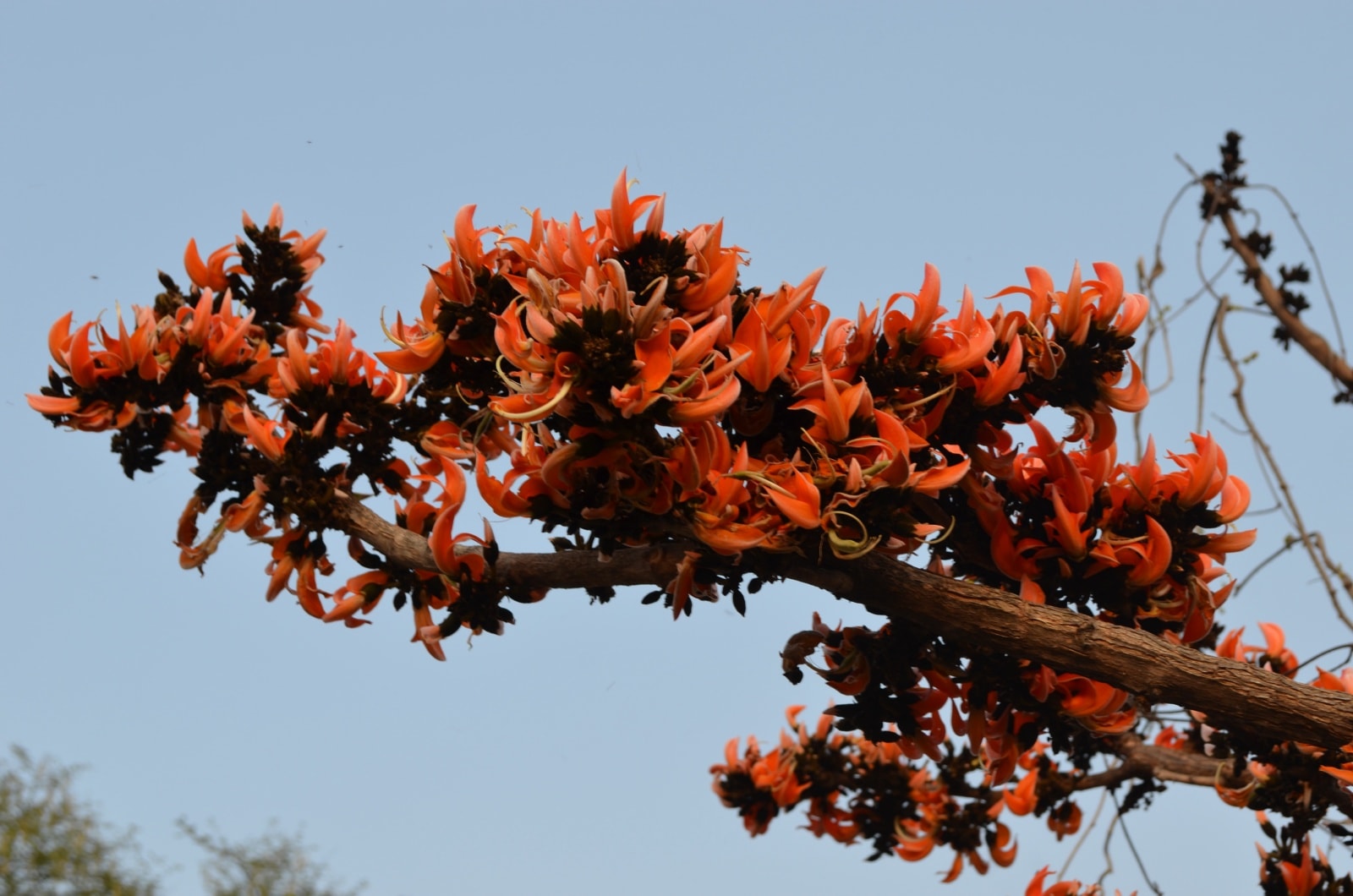 Palsh, Dhak, Tesu flowers or the flame of the forest
Organisations like Phool are repurposing temple flower waste into incense and herbal colours, while various civil society groups are contributing to this movement. This shift towards ecological production and consumption aligns with the growing trend of ethical and sustainable fashion.
Most importantly, sustainability-conscious Gen Z has embraced DIY herbal colours, further driving the demand for eco-friendly Holi celebrations.
These initiatives contribute to Sustainable Development Goal 12 (responsible consumption and production) and promote ethical fashion choices, in addition to other SDGs like empowering women (SDG 5), work and innovation (SDG 8, 9), and efforts toward mitigating climate change (SDG 13). However, sustainability is not just about using natural colours—it also involves minimising waste. Water wastage remains a major concern during some festivals. While the shift towards natural colours is commendable, it is equally important to adopt broader principles of a “circular economy” to make celebrations truly eco-friendly.
This Holi, embracing a vegan and zero-waste approach can make the festival not just vibrant, but also kind to nature.