


© The Indian Express (P) Ltd
Tags:


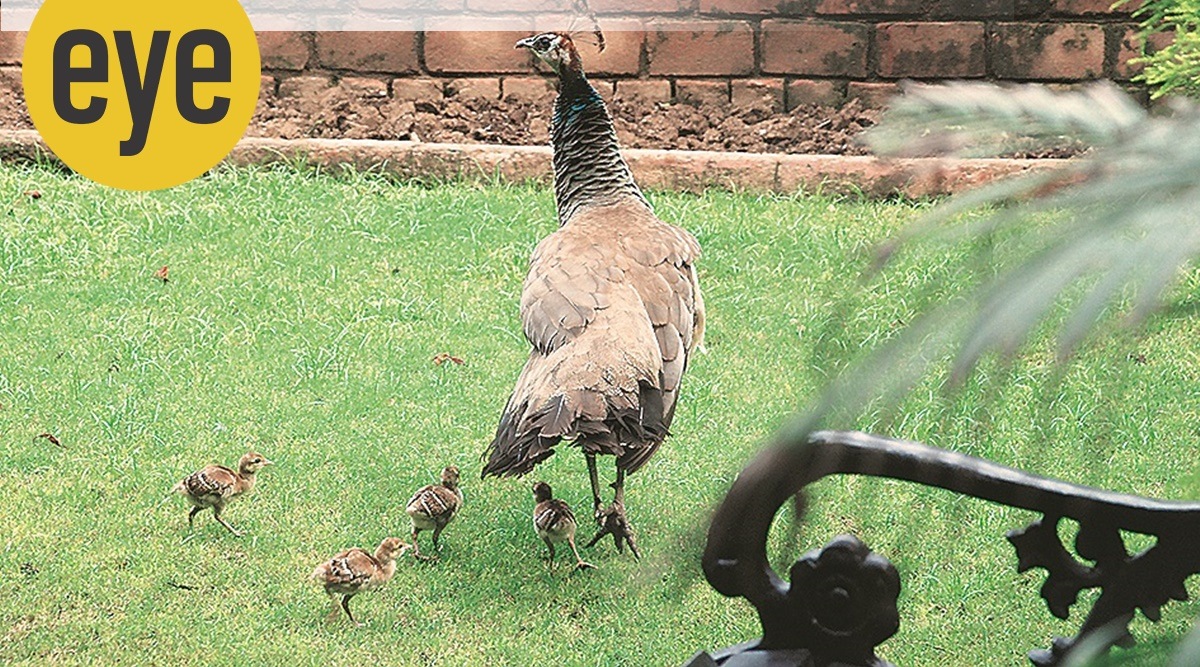
Every day, right after breakfast, I take a chakkar (walk around) of the small garden outside the dining room. I know next to nothing about gardening, all I know is that if you have plants and trees, you will attract local wildlife, from snails and spiders to butterflies, beetles, bees, birds and predators, too — feral cats that can give you the same thrill as watching tigers. We grow vegetables and fruits (more than flowers). The guard of honour of banana trees that the gardener had set up along one side of the garden, after some years, actually produced bananas — hefty green bunches which ripened slowly — and, of course, attracted monkeys! When monkeys and peacocks enter your garden and begin helping themselves, you know exactly what farmers out there in the fields feel like when deer, elephant and wild boar ransack their fields.
It’s a pretty higgledy-piggledy garden, like any minuscule forest or jungle, with much vigorous competition among the flora. At the moment, (to my delight) a celery sapling —survivor of a past bonanza crop — is pushing valiantly past the prickly (Indian, I’m told) roses, which are looking pretty scraggly these days. The ferociously growing palak has to be guarded equally ferociously against peacocks, which can polish off a bed of tender saplings in a single sitting. The pumpkin plant, snaking all over the beds at breakneck speed sprouting big yellow flowers, (so far) does not seem up to the job of producing pumpkins — the flowers just shrivel.


Don’t forget the insects, which appear in typically disciplined fashion, on cue, in their season. My spring favourites include flight maestros hoverflies, which hover stock-still over the blooms they investigate and dart around with geometric precision at lightning speed. Glamorous swallowtail butterflies make social calls on whichever flower is in bloom, as do honeybees and those hard-eyed saffron wasps, which stare at you implacably. Spiders weave their webs in the evenings, readying their traps. I especially like the fierce little jumping spiders with their boxers’ feints and glamorous film-starlet eyes! Translucent lynx spiders lurk among the leaves and pounce on furry bees thrice their size. Before the rains, the big shiny black ants emerge and you wonder where they were all this while.
There are trees, too, which have lived and died. A lambu fish-tailed palm, in which a magpie-robin couple’s home was felled during a storm, and a rubber tree, which while rotting away slowly, was declared too rickety to excavate a home in by a coppersmith. The golden bottlebrush has grown too, but the nimbu tree has still got miles to go. Papaya trees shot up like rockets and then just withered away, and the guava tree’s bounty is always crammed with worms.
The hedges bordering three sides of the garden provide homes for bulbuls and a hideout for babblers, which charge out from their base like a posse of angry policemen conducting a lathi-charge. Sparrows have been largely replaced by scaly-breasted munias, which feed on the bajra seeds generously spilled by the parakeets breakfasting upstairs. Monocled white-eyes jingle softly as they hunt for spiders and tiny insects among leaves and tailorbirds shout like electioneers.
As for predators, occasionally the shikra turns up, causing extreme consternation among the others: one brought down a parakeet right at lunch time mantling it and then hastily carrying it off when it thought I had wanted a helping. The tree-pie and crow pheasant, both being egg and nestling rustlers, are also not welcomed by the smaller lot.
On several occasions, winded young kites have been found lying in the garden after colliding with the building. Cats prowl around like leopards, sneaking out from under the bench or hedges. I once watched one slither up a bougainvillea creeper and return with a blue rock dove, still fluttering in its jaws. But the monkeys are probably the most destructive, arriving in mobs, indiscriminate and belligerent to boot.
Unfortunately, it is a “shade” garden, especially in winter, with flowers (even shade-loving cineraria) that bloom late or winter vegetables, which have a tough time in the frigid, dank surroundings. As long as the big outdoors remains out of bounds, the “small” outdoors must do. Look hard and long, more than enough is going on to keep one fascinated even in a tiny patch of green.


