3 min read


Click here to follow Screen Digital on YouTube and stay updated with the latest from the world of cinema.



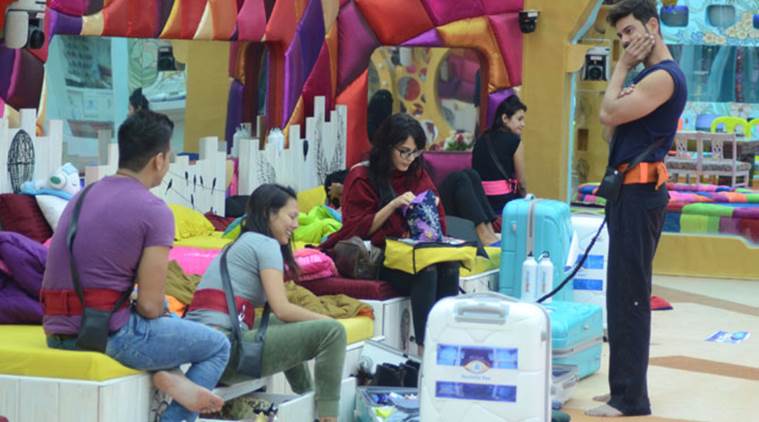 The channel needs to ask itself if another long, drawn out season on the reality show can work its magic or will it depend on Salman Khan to do that instead?
It’s that time of the year again, when finding nothing better to watch on television, we turn to the unfailing entertainment of Bigg Boss(Colors). Only, in its ninth season, it would be fair to ask the question – is Bigg Boss as entertaining as it once was?
Every year, before the show starts, a big effort is made to keep the identities of the contestants secret. This practice perhaps made sense at a time when there was a genuinely surprising mix of people who were thrown together in the house – such as the first season when model Carol Gracias found herself in the house with actors like Ravi Kishan, Kashmira Shah and Amit Sadh, or the second season when the house saw contestants such as former Miss World Diana Hayden, actors Ketaki Dave and Mandira Bedi and politician Sanjay Nirupam.
There seemed to be a real attempt on the part of the makers of the show to get such a diverse mix of people, because the show was premised on the idea that when you put together a random bunch of people, all from different backgrounds, and isolate them, fireworks occur.
[related-post]
The show’s intrigue factor also came from the fact that many of these contestants were already well-known to a majority of viewers. When you saw the Great Khali or Baba Sehgal step out of the car in the first episode, you felt a thrill of recognition and perhaps a bit of curiosity about what they would end up revealing about themselves on the show.
That was where the entertainment came in – from finding out more about people who we were at least a little familiar with already. In the ninth season premiere Bigg Boss Double Trouble, however, one was hard pressed to find more than three faces that were sort of recognizable. People like Digangana Suryavanshi, Suyyash Rai and Arvind Vegda are not exactly household names.
Additionally, most of the contestants seem to be drawn from the same pool of television and film actors most of whom, self-admittedly, are on the show in order to give their careers a boost. That’s a fair ambition, but it also undermines the basic principle of schadenfreude on which the show was built – to truly enjoy the antics that unfold in the goldfish bowl of Bigg Boss, we need to care about the inmates.
The channel needs to ask itself if another long, drawn out season on the reality show can work its magic or will it depend on Salman Khan to do that instead?
Click here to follow Screen Digital on YouTube and stay updated with the latest from the world of cinema.