3 min read
Stay updated with the latest - Click here to follow us on Instagram

Journalism of Courage



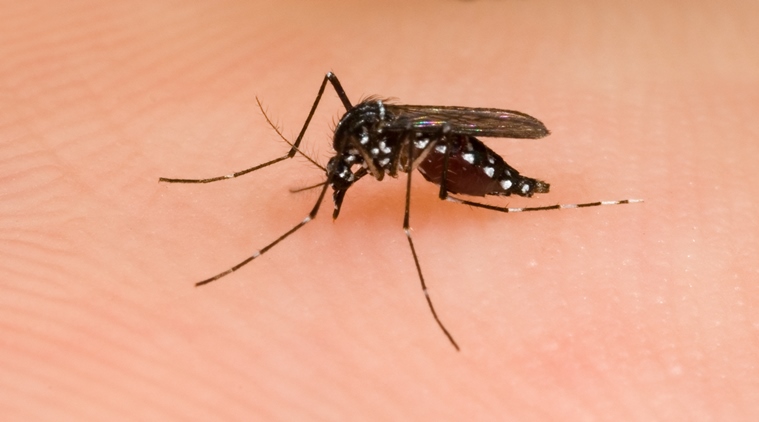 According to the researchers, hosts who swat at mosquitoes or perform other defensive behaviour may be abandoned, no matter how sweet they are. (Representational Image)
The Brihanmumbai Municipal Corporation (BMC), in its action plan against dengue and malaria, has decided to focus on areas having more ongoing construction projects. To start with, the civic health department will be focusing on areas in F South (Parel), G South (Lower Parel, Elphinstone) and E (Byculla, Mazagaon) wards which have seen a lot of constructions in the past few years and has a large number of ongoing projects which can be deemed as easy mosquito breeding spots. “Since the population of the areas is high, and many commercial buildings are located in these areas, we will have special focus on these places,” said Dr Santosh Revankar, Joint Executive Health Officer of the BMC health department.
Revankar added that he and his team have been urging the residents of the three wards to take special precautions, while the team will also visit these construction sites repeatedly to alert the developers and supervisors to ensure there are no mosquito breeding spots at these sites.
“Keeping up with the national campaign the civic health department aims to make Mumbai ‘malaria free’ by 2030. We are identifying areas where we can improve and adopt measures in which we can curb spread of the two diseases. Accordingly, the doctors and officials of civic run hospitals too have begun precautionary measures on their premises,” added Revankar.
As per civic health department statistics (2017), 6,000 malaria cases were registered in Mumbai throughout the year of which 2,000 cases were detected during September 2017.
In October last year, the BMC moved court against users of 637 premises (commercial /residential) for allegedly not preventing mosquito breeding on their premises despite issuing notices. The move was part of the civic body’s campaign to tackle the mosquito menace to curb vector-borne diseases, including dengue and malaria. The campaign will continue this year against those ignoring BMC’s warnings and notices.
In 2017, BMC had collected Rs 22 lakh in fines from 11,237 households and commercial structures that were found to have not prevented mosquito breeding on their premises.
In 2016, the BMC issued notices to 4,986 government institutions, residential premises and private owners for allowing mosquitoes to breed on their premises. Data from the BMC insecticide department shows that after the notices were issued, fines amounting to Rs 7.81 lakh were collected between January and April, after prosecution of negligent institutions or private owners in court. In 2015, the department had issued 19,710 notices and collected fines amounting to Rs 32.77 lakh. “We hope the number of fines that will be collected gets lesser or nil as compared to the previous year. This will be possible if Mumbaikars follow the instructions…,” said a senior official.
As per rule, the civic body can act against individuals and buildings found negligent on the matter under Section 381 of the Mumbai Municipal Corporation (MMC) Act and impose a fine, ranging between Rs 2,000 and Rs 10,00.
Follow The Indian Express Coverage on Karnataka Assembly Election Results 2018. For live coverage, live expert analysis and real-time interactive map, log on to IndianExpress.com
Stay updated with the latest - Click here to follow us on Instagram