3 min read
Stay updated with the latest - Click here to follow us on Instagram

Journalism of Courage



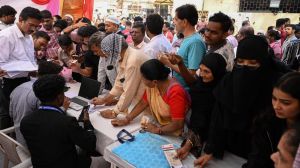
A child rights camp in Manori saw 81 children from across four states sharing their lives and learning valuable lessons
A Smattering of basic conversational phrases in Tamil,Hindi,Marathi,Kannada and Gujarati had 81 kids in splits through most of the weekend at a three-day child rights camp in Manori. Children from eight districts across four states Gujarat,Maharashtra,Karnataka and Tamil Nadu took language lessons at the event,jointly organised by city-based NGO Yuva (Youth for Unity and Voluntary Action),Shaishav (Gujarat) and Vidiyal (Madurai).
Nagartma,17,from Kundalpur district in Karnataka,was chosen leader of her group that comprised children from other states. A few words exchanged among them earlier were with the help of four groups of translators who translated every word she spoke into English and then re-translated into either Gujarati,Marathi,Hindi or Tamil.
We undertook leadership programmes and told them to select group leaders. It was interesting that their picks were not based on language or state but a faith that the person has leadership qualities, said Anupama A S,research officer with Bangalore-based NGO The Concerned for Working Children. The way Nagartma was speaking to her friends and doing her activities in the camp,I thought she is fit to become a monitor, said Parveen Sheikh,16,of Mumbai.
Mostly we assume that children should be recievers of benefit and grants. We do not think of them as being able to make their own decisions. Through this camp,we are trying to mobilise them to bring about a change in issues like child labour,child marriage and sexual exploitation, said organiser Arokia Mary,45,of Yuva.
Amidst presentations and discussions,the children talked about issues in their cities. I thought child marriages happened only in serials like Balika Vadhu. But one girl from Karnataka told us stories about her own friends getting married at a very young age, said Nandini Verma,16,of Mumbai.
It was the children themselves who were given the responsibility of taking care of each other and forming ground rules for their stay. We did not tell them what to do. When they are given the responsibility to handle themselves,they get the confidence to tackle larger issues as well, said Parul of Shaishav. Punctuality,cleanliness,friendliness,putting their hands up to answer a question,standing in line and sharing of food were some common rules fixed.
All activities at the camp had a simple aim. We did not want it to become boring. The aim was to let them think for themselves. The experience of meeting children from other states helps them understand the problems in other states and relate them to their own, Parul said.
Ask K Lognayiki,15,of Madurai,who had stepped out of her city for the first time,the first thing about Mumbai that is unique and quick comes the reply: Vada pav and mulgi means girl. Her group administrator Anupama said these were the first Hindi/Marathi words she learnt.
Stay updated with the latest - Click here to follow us on Instagram