2 min read

Journalism of Courage



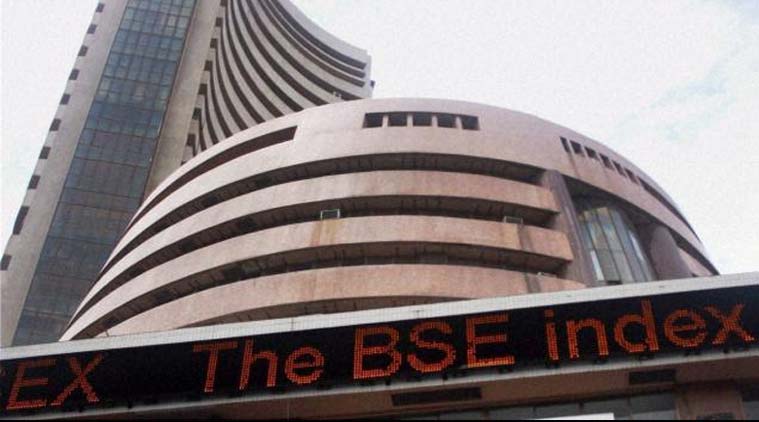 The movement in Indian markets followed a sharp decline of more than 2 per cent in the Dow Jones Industrial in US on Thursday and a weak opening of the Asian markets on Friday.
A global sell-off brought on by a further slowdown in Chinese manufacturing and concerns around global growth, pulled down the Indian stock markets and the currency in the early trading hours. While the Sensex at the Bombay Stock Exchange (BSE) was trading 400 points or 1.4 per cent below its Thursday closing, the rupee fell sharply to hit a new two-year low of 65.9 against the dollar.
The benchmark Sensex fell to a low of 27,131 on Friday before recovering to trade at 27,200 in the afternoon.
The movement in Indian markets followed a sharp decline of more than 2 per cent in the Dow Jones Industrial in US on Thursday and a weak opening of the Asian markets on Friday. The Shanghai Composite in China plunged 4.3 per cent and the Nikkei in Japan fell 3 per cent on Friday, dampening the market sentiments.
Several factors played a role on Friday. While a decline in the purchasing managers in China reflected a contraction in Chinese manufacturing, concerns around Greece (its PM Tsipras resigned Thursday and called for fresh elections) and apprehensions about the timing of the US Fed rate hike also played on traders’ minds.
Concerns over a slowdown in global demand, pulled the global crude oil prices further down. The Brent crude prices slipped to trade around $46.5 per barrel in the afternoon trading hours on Friday.
While the fall in Sensex on Friday took the overall correction during the week at over 800 points or over 3 per cent, experts say that India will benefit from the slowdown in the Chinese economy in the medium term. “Not only will the weakness in crude prices benefit India, the foreign institutional investors will increase their exposure to India as it is expected to do better than other emerging economies going forward,” said a fund manager with a mutual fund.