Journalism of Courage
Several countries, including India and Saudi Arabia, objected to references being made to one particular paragraph in GST which had asked all countries to transition away from fossil fuels, triple renewable energy by 2030, reduce emissions of non-CO2 gases including methane, and phase-down coal, among other things.
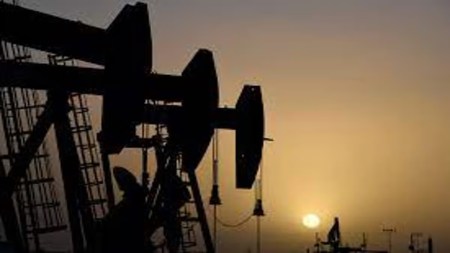
That could undo a very significant, though symbolic, victory that was achieved in Dubai at last year’s climate conference.
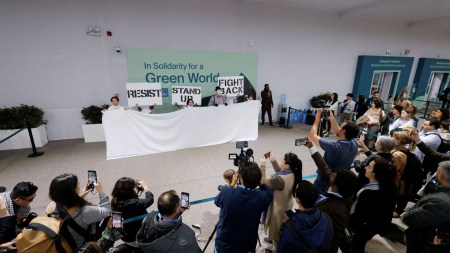
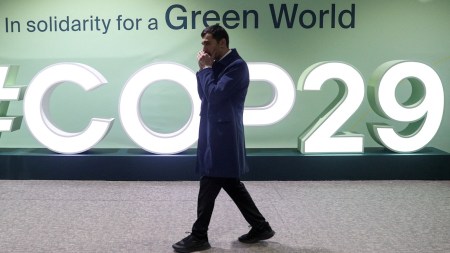
The COP29 meeting here is trying to finalise a comprehensive agreement on climate finance to enable greater flows of money for climate action.
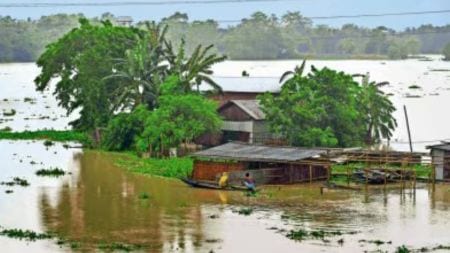
The report projects that by 2057, India’s annual maximum temperature will rise by 1.5°C under the moderate emissions scenario, with this increase occurring a decade earlier under the high-emissions pathway.
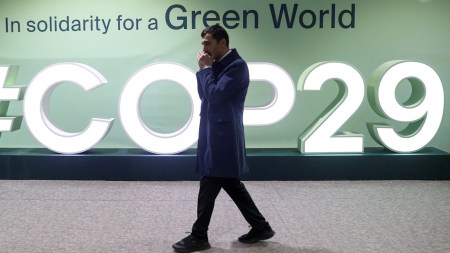
Countries in Baku are trying to negotiate an agreement — New Cumulative Quantitative Goal or NCQG on climate finance — that will mobilise at least one trillion USD every year for climate action around the world.
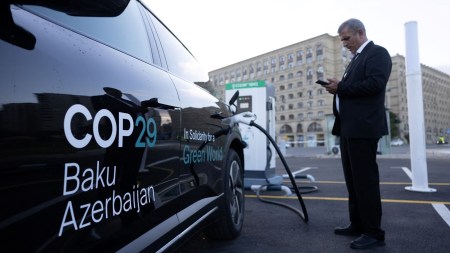
The study published in Nature journal looked at projects that together generated carbon credits worth one billion tonnes of CO2 equivalent. Under the Paris Agreement, more robust carbon trade mechanisms are being created, with some progress expected to happen at the ongoing COP29 meeting in Baku.
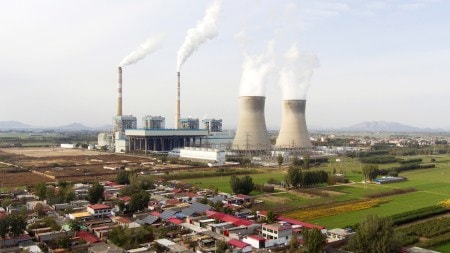
The analysis, by Carbon Action Tracker (CAT), means that the 1.5 degree Celsius global climate target would be missed if China did not cut down its emissions.
China and India, along with other BASIC country partners Brazil and South Africa, have been complaining against the Carbon Border Adjustment Mechanism (CBAM) introduced by the EU last year.
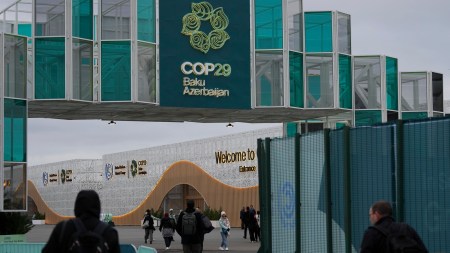
French Minister of Ecological Transition, Energy, Climate and Risk, Agnes Pannier-Runacher, cancelled her Baku trip after Azerbaijan’s President blamed France for alleged human rights violations
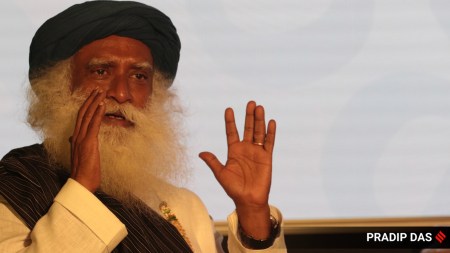
Attending the COP29 meeting here in Baku, Sadhguru said the world was still not fully appreciative of the large benefits of efforts like soil regeneration and organic farming that can be done with minimal investments.
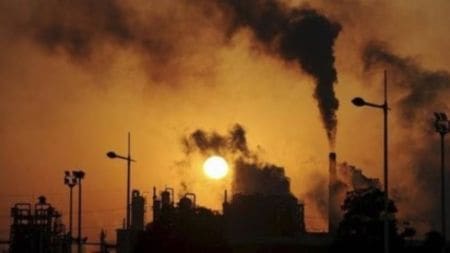
Stanford University climate scientist Rob Jackson put it in starker terms. “I think we have missed the 1.5 degree window,”
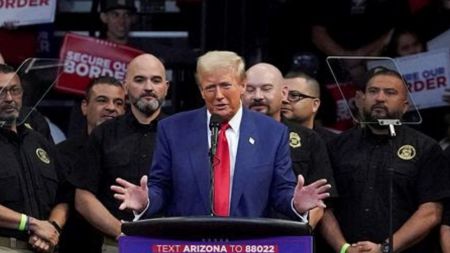
Trump has been severely critical of Joe Biden’s energy policies, many of which have been manifested through the incentives provided for clean energy in the Inflation Reduction Act (IRA).
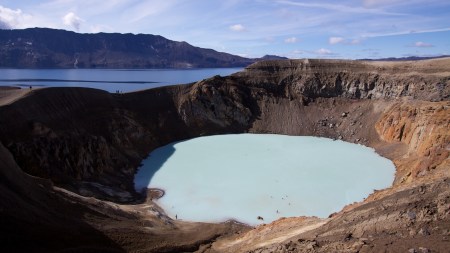
The small number of studies to date of the interaction between retreating ice and volcanoes in other parts of the world, scientists said, mean the research underway in Iceland will help create a template for what could happen elsewhere.
The draft NCQG text has listed out a few options for the criteria that might be used to identify new contributors to climate finance.
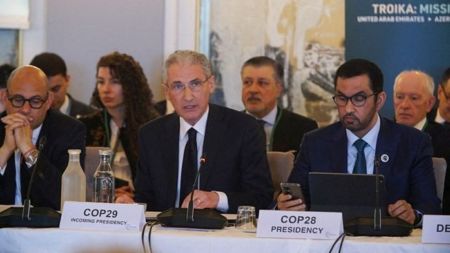
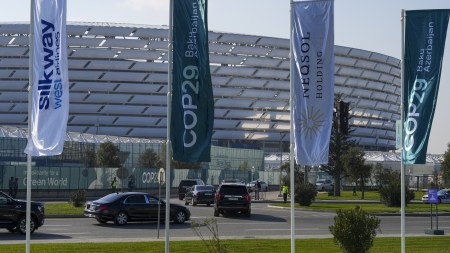
As Azerbaijan hosts COP29 in its capital city from November 11 to 22, the main agenda will be an agreement on climate finance.
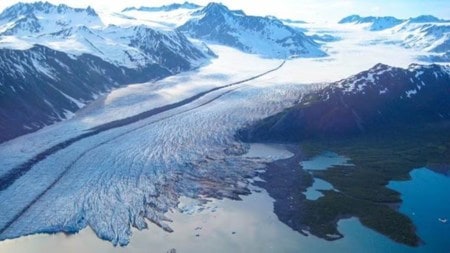
Cold climate cultures are struggling to deal with this loss.In 2019, a funeral ceremony was held at Iceland's Okjökull Glacier, said to be the first lost to global heating.
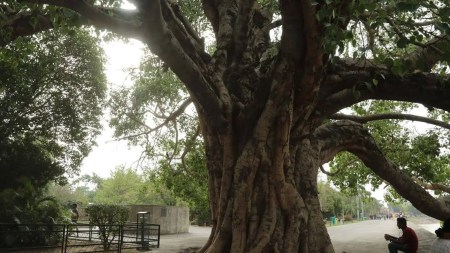
Many tree planting campaigns falter because they plant the wrong trees at the wrong time in the wrong place.
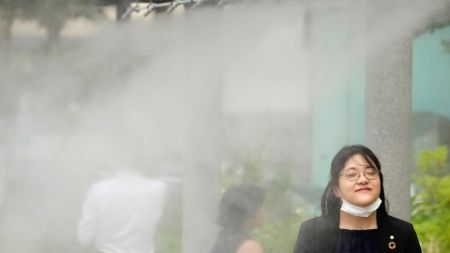
But July 2024 ’s average heat just missed surpassing the July of a year ago, and scientists said the end of the record-breaking streak changes nothing about the threat posed by climate change.
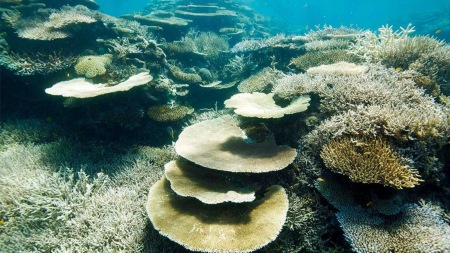
During that time, between 2016 and 2024, the Great Barrier Reef, the world's largest coral reef ecosystem and one of the most biodiverse, suffered mass coral bleaching events.

In an interview with PTI, Scotland said India has the opportunity to lead a just and equitable energy transition by sharing expertise and technology within the 56-nation club called Commonwealth, which represents 2.7 billion people.
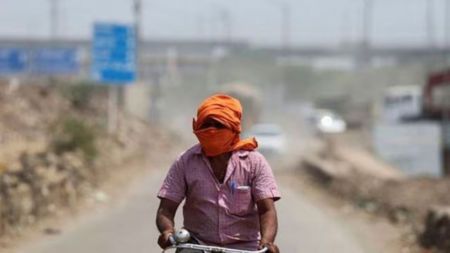
As the warming Earth sizzled through a week with four of the hottest days ever measured, the world focused on cold, hard numbers that showed the average daily temperature for the entire planet.
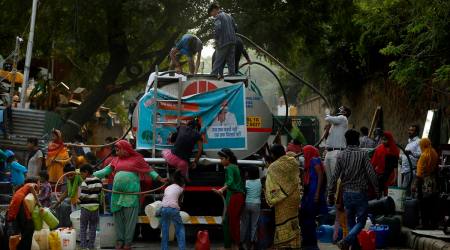
With half the world’s populations now living in urban areas and that number projected to swell to around 6.5 billion by mid-century, shoring up city water supplies represents a significant challenge. Failure to do so could result in widespread shortages.
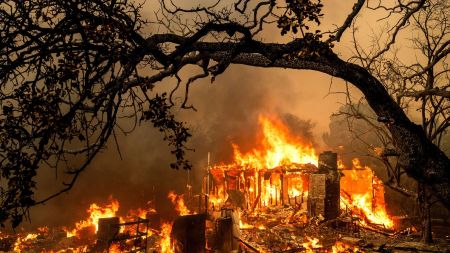
These severe weather occurrences are happening more often and with increased severity compared to the past.
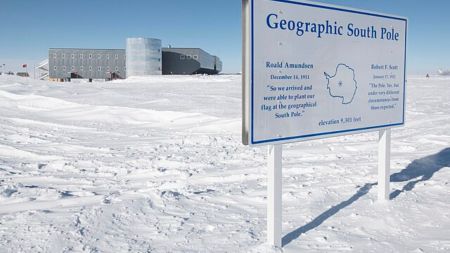
The strength of the polar vortex can vary throughout winter. This influences weather patterns in the layer of the atmosphere below it, called the troposphere, where most of our weather occurs.
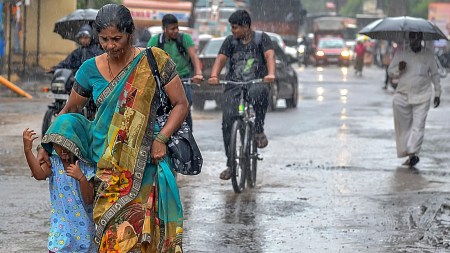
Earlier this year, IMD said the emergence of La Nina during the latter half of India’s monsoon season could bring above-normal rainfall over the country.