3 min read
Stay updated with the latest - Click here to follow us on Instagram

Journalism of Courage



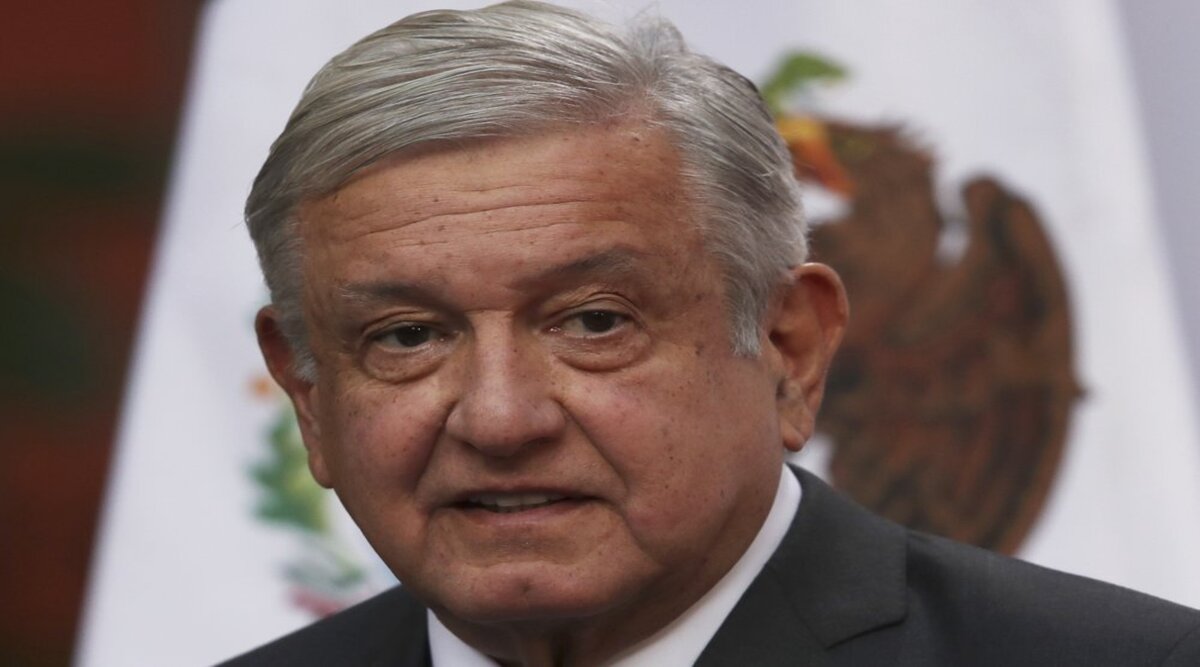 In this December 1 picture, Mexican President Andres Manuel Lopez Obrador speaks during the commemoration of his second anniversary in office, at the National Palace in Mexico City. (AP Photo/Marco Ugarte, File)
The lower house of Mexico’s congress overwhelmingly approved a law Tuesday limiting foreign agents operating in the country and lifting their immunity in a decision that could impact its relationship with the U.S. government, a key partner in its fight against drug cartels.
The vote came four days after U.S. Attorney General William Barr said the law would hurt cross-border cooperation and benefit cartels, and weeks after the arrest of Mexico’s former defense secretary raised tensions between the neighbors and elicited threats from Mexico’s government to halt cooperation.
Read| US Attorney General William Barr resigns
The 329-98 vote, with 40 abstentions, sends the bill to President Andrés Manuel López Obrador for his signature. The president proposed the law and the Senate has already approved it.
The law requires all foreign agents, from any country, to share all information they gather with Mexican authorities. It also would require any Mexican officials they contact to submit a written report to federal authorities.
Barr said Friday the United States is troubled by legislation, noting it “would have the effect of making cooperation between our countries more difficult,” adding: “This would make the citizens of Mexico and the United States less safe.”
“The passage of this legislation can only benefit the violent transnational criminal organizations and other criminals that we are jointly fighting,” Barr wrote.
The bill includes a vague promise to keep secret any information shared with Mexico. Mexico has traditionally relied on U.S. agents to generate much of its intelligence information on drug gangs, but it has history of officials leaking such information and even at times sharing it with drug cartels.
In most countries, the chief Drug Enforcement Administration agent in the country often has full diplomatic immunity and other agents have some form of limited or technical immunity. The bill would eliminate all immunity.
The proposal also specifies that any Mexican public servant — state, federal or local — who has as much as a phone call or text message from a U.S. agent would be required “to deliver a written report to the Foreign Relations Department and the Public Safety Department within three days.”
Columnist and former diplomat Gabriel Guerra said the new rules were understandable, given that “the behavior of DEA agents has been a sticking point” in the past.
“You do need some rules of engagement,” Guerra said. “You do need to make Mexican officials accountable to their own government.”
But Congressman Fernando Macías Olvera of the conservative opposition National Action Party spoke out against the new law. Governors and mayors in northern Mexico, where National Action is strong, have long depended on close cooperation with U.S. law enforcement agencies to fight drug cartels.
Stay updated with the latest - Click here to follow us on Instagram