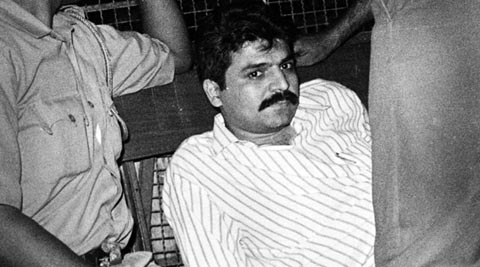

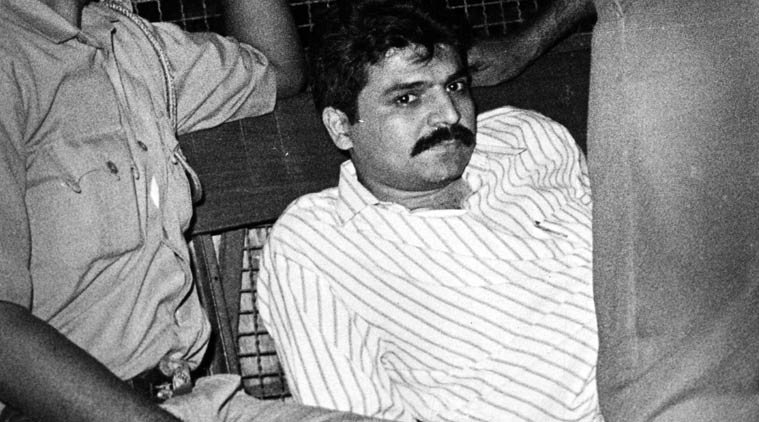
The government has spent a whole year urging the world to “Make in India”. Now, it may wish to invest some time in explaining how it can attract global manufacturing capacity and capital when it opposes the global culture of openness and makes it illegal to even Speak in India. Slapping notices on three cable news channels for their coverage on the day that Mumbai blasts convict Yakub Memon was hanged, the government has relied upon the programme code under the Cable Television Network (Regulation) Rules of 1994, which, while well intentioned, are so comprehensively proscriptive that if they were applied in letter and spirit, no programming could possibly get on the air. Well, maybe the multiplication tables might scrape through, on account of their incredible blandness.
Aaj Tak and ABP News are feeling the heat for running a phone-in interview with the gangster Chhota Shakeel, in which he suggests that the adverse ruling against Memon was politically motivated. NDTV has been pulled up for running an interview of Memon’s lawyer seeking the revocation of the death sentence on the plea that capital punishment is going out of style in several countries, and suggesting that Indian institutions compare poorly with counterparts elsewhere. The crucial ground for the government’s action is Section 1(g) of the programming code, which prescribes that content must not contain “aspersions against the integrity of the president and judiciary”. The government may find it convenient to fire from the shoulders of the Supreme Court, but they are broader than it imagines. The court does not need its protection — in fact, it has consistently strengthened the rights of the individual and the media versus the might of government.


