

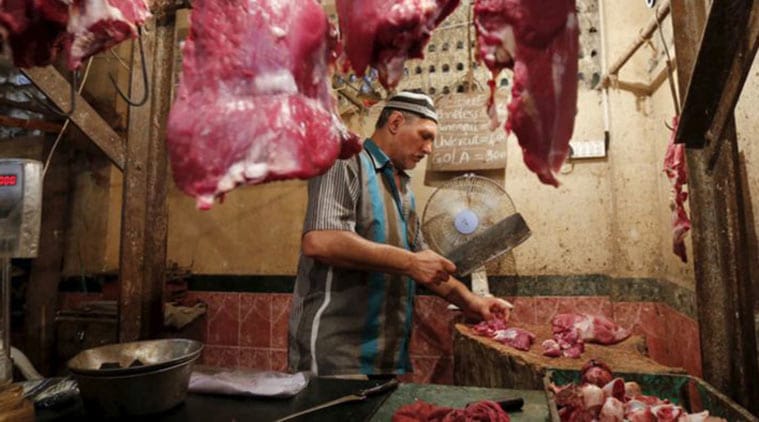
How heartwarming it was to find the Shiv Sena and its cousin, the Maharashtra Navnirman Sena, championing liberal values like the right to free will and choice — specifically, culinary choice. Unfortunately, though, first impressions proved to be misleading. As they oppose the Brihanmumbai Municipal Corporation’s embargo on meat during the Paryushan fasting days of the Jain community, the Shiv Sena and MNS are actually playing their old nativist politics, painting Jains as outsiders from Gujarat. Meanwhile, as the ban spreads like a virus to neighbouring municipalities, the Bombay High Court has questioned the very practicality of enforcing a meat ban in urban areas with a varied population and modern retailing. But that has not prevented the bug from leapfrogging state borders to flourish in Rajasthan and Chhattisgarh where, again, Jains must be surprised to find themselves set apart from the population claiming local provenance. And, in a parallel development, the Jammu and Kashmir High Court has banned the slaughter of bovines and the sale of their flesh. Predictably, separatist groups are defying its ruling.


Apart from legal precedent, multiple justifications have been offered for the meat bans, of more or less equal absurdity or irrelevancy. The argument that Mumbai’s ban shows respect for Jains is misleading. It actually marks them out as an immigrant community, suitable for demonisation like people from north India. With a single ban violation, the Sena and MNS have shrunk the distance between Gujarat and Bihar. Most absurd of all is the argument that India is the once and future vegetarian nation. A multicultural nation that is nevertheless monocultural is a contradiction in terms. Both courts and governments must now exercise the critical faculty, and ask why old laws are being pulled out of battered hats to create fresh controversies.


