Journalism of Courage
 3 min read


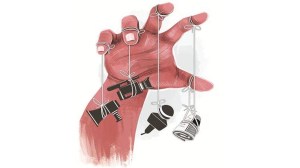
A report in a leading newspaper mentions that filmmakers are upset about a proposed change in law in music copyrights. But the proposal merely codifies MoUs signed many years ago.
In the year 1989,a Memorandum of Understanding MoU was signed between film composers and lyricists and film producers about the sharing of recording and creative/performing rights. In 1993,another MoU was signed between these creators/authors of film songs with music companies.
The agreements followed international patterns and under this,the revenues were to be divided 50:50 between recording and performing rights. As the owner of the film that contained the songs,the producer is entitled in theory to get the entire recording rights revenues,which thus account for a clear 50 percent. 50 percent from the rest that is,an additional 25 percent of the total! went to the producer again as publisher of the film music. It was only the remaining 25 percent that was divided equally between the composer and lyricist of a song.
However,despite the clarity in concept and on paper,and despite the creation of the Indian Performing Rights Society,the execution of this provision at a practical level was flawed. Music directors and lyricists had to often sign one-sided agreements with clauses that surrendered all rights and did not even entitle them to royalties if they wanted to be employed at all. The producers,ironically supposed to be in a position to assign specific rights to music companies,also often ended up making almost nothing because of the intricacies of agreements signed with the latter.
The misinformation spread now has further made producers press the panic button and wail that they would either have to make films without songs ! or stop making films !! if they have to part with revenues demanded by authors. Most of these fears,induced by misunderstandings,are prevalent because a proper perspective is not being taken and things are being discussed and hyped without a clear-cut knowledge of what is actually happening and why.
The proposed change is only to codify the provisions accepted by all parties in these MoUs so that everyone gets a fair deal. In all this,the creators of the songs that add so much to the film,get and will be satisfied with a paltry 12.5 percent each as royalties that can sustain them,their families and descendants when their careers take a downslide or in the event of other adversities. Surely,we should not grudge these creative artistes who add so much to our joys and the industrys profits even this small sum! After all,music gives the first vibe of a film along,is responsible for the initial draw and brings in repeat audiences,besides driving a huge music industry.
Before I sign off,two crucial facts: Since the advent of the talkie in 1931,only seven films made without songs have clicked at the box-office. And second,would two of the biggest hits of 2010 have become what they were minus their music scores I refer to Dabangg and Once Upon A Time In Mumbaai?
rajivvijayakarexpressindia.com