Journalism of Courage
 3 min read


The Pakistan armys decision to launch a long-delayed offensive against the Taliban hours before US President Barack Obama received the leaders of Pakistan and Afghanistan was certainly not a coincidence. It is a consequence of the extraordinary pressure,both public and private,exerted by the Obama administration on Pakistans Asif Ali Zardari in the last few days. The impending presidential elections in Afghanistan may have compelled Washington to pull its punches against Afghan President Hamid Karzai,but there would be no holding back on Pakistan.
If Obama described the Zardari regime as incompetent,his Secretary of State Hillary Clinton berated Pakistans leaders for abdicating their responsibility to stand up against the Taliban. Nor was there any subtlety in Washingtons hints that if Zardari cant deliver,the US would be happy to look at other options in Islamabad.
The day Zardari was to meet Obama,the US media helpfully told the Pakistani delegation not to expect any warmth from the White House. Unlike George W. Bush,who personalised his relationship with Gen Pervez Musharraf,Obama would be merely transactional. The message,put simply,was that Obama will be correct,protocol-wise,but ruthless in his demands. Meanwhile,Americas military brass has been pressing the one Pakistani button that really mattered the GHQ in Rawalpindi. The Pentagon had apparently made it clear to the Pak army that it had two weeks to demonstrate an institutional commitment to fight the Taliban and roll it back. The pressure has worked,at least for the moment. In the past,the Pak army made pretence of fighting the militants only to return to the traditional cosy relationship with the extremist assets that it had nurtured for decades. Obama may be betting that he can make the Pak army behave differently this time by changing the mix of incentives and disincentives. If billions of dollars of promised aid is the carrot,the talk of securing Pakistans loose nukes is a powerful threat.
Thanks to the general elections underway,New Delhi could not and did not take major decisions on the unfolding dynamic in the Af-Pak region. Given the scale of the current crisis in Pakistan and the intensity of the US response to it,the successor to the UPA government will have to come up with a credible strategy; and in short order. If it avoids being defensive and accurately reads the rumblings of the tectonic movements next door,New Delhi may well have a historic opportunity to work with Washington in restructuring the north-western parts of the subcontinent.

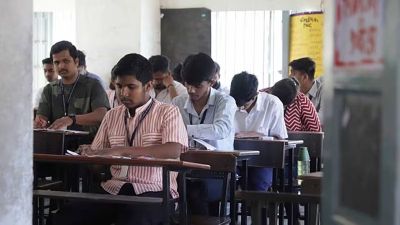
With nearly 18,000 post-graduate medical seats remaining vacant after two rounds of counselling, the cut-off for some of the categories has been reduced to zero percentile again. The NBEMS revised the cut-offs to 7 percentile for general category, 5 percentile for persons with disability belonging to general and EWS category, and zero percentile for SC, ST, OBC candidates.