Journalism of Courage
 4 min read



In 1994, on the recommendation of the University Grants Commission UGC, eight city colleges had integrated vocational training into the existing BA, BSc and BCom degrees. Accordingly, a first year degree student opted for a vocational subject by dropping some other subjects throughout the three-year programme. And at the time of graduation, the students received a major in that vocational subject. Today, 23 city colleges run the programme.
But the vocational programme is now in limbo, as UGC8217;s funding tenure for five years ends this academic year, and the state government has still not spoken its mind on releasing funds for the programme.
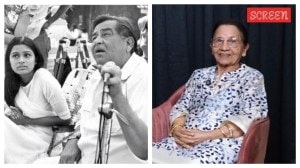
Don8217;t scrap the programme; if need be, let the student pay for it, advises Indu Shahani, vice-principal of HR College. Shahani, one of the leading figures in ensuring the success of the programme, is the daughter of founder principal of HR, late H C Malkani. With 22 yrs of teaching behind her, Shahani 45, in an interview with Sudeshna Chatterjee,makes a case for the relevance of the programme in a system which sorely lacks it.
The UGC sponsored vocationalisation programme made the much-needed on-the-job training mandatory in the course content8230;
Yes, that was a step in the right direction. The course is unique in the sense that it has been integrated with the undergraduate core discipline in a structured manner. Of the 35 vocational subjects, industrial chemistry and bio-technology have been popular choices in the science stream, computer applications and tourism and travel management in commerce and communicative english for arts students.
Now that UGC funding will stop and the state government is dilly-dallying over putting in its money, what is the programme8217;s future?
Let8217;s hope that the government will put in money, at least a sizeable amount, as well as colleges in matching proportion. In that case, students taking up this programme will have to pay in addition to their regular courses. But it is still worthit.
How?
I have done a survey among the first batch of students from our college and who passed out last year. Seventy-six per cent found the learning experience helpful, 47 per cent found the course relevant and 26 per cent found the training to be focussed.
What is the profile of the first batch of graduates from the University of Mumbai who have a major in a vocational course?
I did a destination study after taking samples from all the colleges offering vocational courses. The results? Nineteen per cent vocational graduates were absorbed in jobs related to their vocational education. 51 per cent graduates opted for further studies and 30 per cent said they were looking for self employment or were joining the family business.
These results must have elated you.
Not exactly. Ideally, all of the vocational students should be working. Liberalisation has thrown up several middle-level jobs where these students fit the bill. Hindustan Lever Ltd, for instance, which has nevertaken anything but an MBA for its summer training since the last two years, has started taking my students in advertising and sales promotion.
For the first time, you have a course which makes a tie-up between institutes and industry a compulsive need. And mind you, not everyone can go for these courses, as the UGC has kept the limit of students per subject at 30. However the success of the scheme depends on the linkages colleges are able to develop with industry.
Where, do you feel, should efforts be made to promote this tie-up?
The institute-industry interaction should be all comprehensive 8211; assisting in guest faculties, making courses relevant to the rapidly changing economy, faculty upgradations, on-the-job training for students and for student placement.
Colleges need to put in lot more effort to convince the industry. The education committee of Bombay First has taken upon itself to help colleges develop better linkages with the industry. I had also made a presentation on behalf of theUniversity of Mumbai before the Bombay Chamber of Commerce and Industry on this topic. I will also shortly be speaking with Rahul Bajaj, president of the Confederation of Indian Industries CII, to further foster this institute-industry tie at the undergraduate level irrespective of the vocational programme.