Journalism of Courage
 2 min read



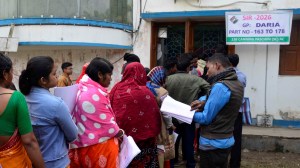
In a country where 80 per cent of rural people do not have access to formal banking system, the Self Help Group-bank linkage model is fast gaining ground.
An independent researcher, Marie Luise Haberberger, senior rural banking adviser for GTZ, has found that the scaling of public-sector banks to microfinance is happening fast. Today, more than 90 per cent of the SHG Bank Linkage in regard to volume is delivered by public-sector banks and regional rural banks by operating within their existing structures.
By March 2006, 545 banks with more than 44,000 branches were partnering with NABARD in the SHG Bank Linkage Programme. The number of presently linked SHGs count to 2.2 million with a total credit outstanding of Rs 41.6 billion, serving approximately 33 million people.
Nearly 4,000 NGOs are contributing to the wide coverage of the SHG Bank Linkage, acting as facilitator in about 70 per cent of all linkages, while banks provide the financial services.
8220;Through the experiences in microfinance and particularly in SHG Bank Linkage, the Indian banking sector has recognised that the poor can be creditworthy borrowers,8221; says Haberberger in her paper.
NABARD has played a pioneering role by promoting the SHG linkage innovation and by bringing together the entire banking sector of India and the large number of NGOs to take ownership in this programme. She calls it an example of 8220;successful and synergetic public-private partnership in order to promote greater financial inclusion8221;.