Journalism of Courage
 4 min read



First we had street plays as a theatre of awareness and a theatre of propaganda, what now? Street plays as ad-theatre?quot; asks Jayadev Hattangady when confronted with the fact that the genre is now being used by multinationals to sell soaps and other consumer products.
But director and foremost exponent of street theatre, Hattangady is not complaining. Says he, quot;After its social and political relevance, it has come to consumer relevance. Who knows, street theatre might be the future mode of advertising.quot;
But street theatre has always been used as a medium of direct communication. Be it the freedom movement or the Bengal Famine of 1942. The famine fired the imagination of the members of the Progressive Writers8217; Association in Calcutta and they used Bhookh, a play highlighting the Bengal tragedy, to throw light on their plight.
During the days of Safdar Hashmi, street theatre touched its zenith with a series of fiery politically-stringent performances. And even the brutal murder of Hashmi 8212; in the middle of a performance of Halla Bol on January 1, 1989 did nothing to deter the popularity of this genre. In fact, it was catapulted to the forefront and for a brief period succeeded in overshadowing mainstream theatre. But it was only 15 minutes of fame, and from there on this form of theatre has been a downhill slide.
The 8217;90s has been particularly hard on the few groups that still stick to taking to the streets. Naujawan-E-Hind NEH is one such group. Run by a band of young men, they can be seen at Chhatrapati Shivaji Terminus, Flora Fountain and suburban parks. Yet they manage to elicit just brief flicker of interest from passersby.
There are several reasons for this waning interest. The most important factor according to NEH8217;s president Ramachandran, was the discontinuance of the annual street play competition. Says he, quot;Groups were interested in street performances as long as competitions were organised. When that stopped, the groups disappeared.quot;
What has also vanished is the commitment to the form. And here, Hattangady, who also conducts workshops on street theatre, feels that the fault lies with the actors. Says he, quot;The first thing I do is deglamourise the art of acting. They are not actors, but social scientists.quot; And rigourous training is required to hold the audience8217;s attention. Adds Padma Bhushan, secretary, NEH, quot;You have to say everything in 15 minutes without letting the interest slack. Unlike other theatre, here people can simply walk away.quot;
With changing socio-political condition this form of protest has also lost its punch. Says Hattangady, quot;Street theatre is basically the theatre of awareness. Now, the attitude of people has changed. They are happy, rather satisfied, so they don8217;t agitate.quot;
To revive the flagging interest street plays have become more solution-oriented. And subjects likes literacy, drugs or AIDS find favour with theatre groups and audiences. quot;People butt in in the middle and ask questions. We provide them with the information at the end of the play,quot; says Bhushan. The message often triggers explosive reactions. For instance, a play on drugs was interrupted by a drug peddler, who fought with the performers. It also encouraged addicts to seek de-toxification.
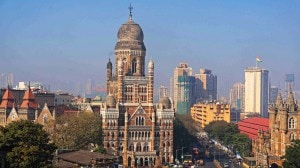
This spurred NEH on to planning a two-day street theatre festival Bol Jhamoore on a larger scale than normal. Expecting more positive response this November, Bhushan is counting on 150 groups from all over India to participate. The streets of Mumbai will never be the same again.